
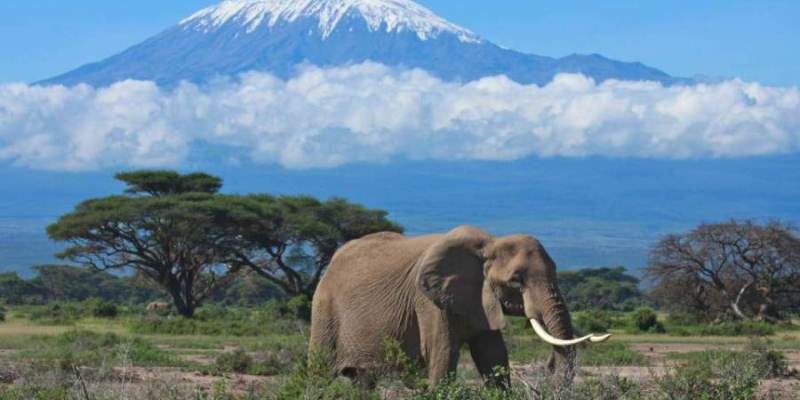
The Five Climatic Zones of Mount Kilimanjaro: A Complete Guide
Introduction: Understanding Mount Kilimanjaro’s Climatic Zones
Mount Kilimanjaro is one of Africa’s most remarkable natural landmarks, attracting hikers, nature lovers and adventure travellers from around the world. Rising to 5,895 metres above sea level, it is the highest mountain in Africa and one of the world’s most famous free-standing volcanic mountains.
One of the most fascinating aspects of climbing Kilimanjaro is the opportunity to experience several different climatic and ecological environments during a single expedition. As hikers ascend from the mountain’s lower slopes towards Uhuru Peak, the landscape changes dramatically. Tropical farmland gives way to dense rainforest, followed by open moorland, a dry alpine desert and finally the cold, high-altitude summit environment.
Mount Kilimanjaro is commonly divided into five major climatic and ecological zones: the cultivation zone, montane rainforest zone, heath and moorland zone, alpine desert zone, and Arctic or nival zone.
Each zone has distinctive temperatures, rainfall patterns, vegetation, wildlife and geographical features. Understanding these environments helps visitors appreciate the mountain’s extraordinary biodiversity and prepare for the changing conditions encountered during a Mount Kilimanjaro hiking adventure.
1. Cultivation Zone: The Agricultural Lower Slopes (Approximately 800–1,800 Metres)
The cultivation zone occupies the lower slopes of Mount Kilimanjaro, where fertile volcanic soils, relatively favourable temperatures and seasonal rainfall support extensive agriculture. This area is home to communities that have lived around the mountain for generations, particularly the Chagga people on the southern and eastern slopes.
The landscape is characterised by traditional villages, coffee plantations, banana gardens, maize fields and other cultivated crops. Visitors can learn about local agricultural practices, explore rural communities and discover the cultural traditions associated with life around Kilimanjaro.
Coffee farming is particularly important in this region. Small-scale farmers grow coffee beneath the shade of larger trees, often alongside banana plants and other crops. This traditional farming system creates a distinctive landscape that combines agriculture, natural vegetation and settlement.
The cultivation zone is also an excellent place to experience local culture before beginning a mountain expedition. Some travellers include village visits, coffee tours and cultural experiences as part of their wider Kilimanjaro trekking holiday.
Main characteristics of the cultivation zone:
- Warm conditions compared with the higher mountain slopes.
- Fertile volcanic soils and agricultural landscapes.
- Coffee, banana, maize and other crops.
- Traditional Chagga villages and homesteads.
- Seasonal rainfall supporting farming activities.
2. Montane Rainforest Zone: The Lush Forest Environment (Approximately 1,800–2,800 Metres)
Above the cultivated lower slopes lies the montane rainforest zone, one of the most visually impressive environments on Mount Kilimanjaro. This zone is characterised by dense evergreen forests, high humidity, frequent rainfall and rich biodiversity.
As climbers enter the forest, the agricultural landscape gradually disappears beneath a canopy of tall trees. Mosses, lichens, ferns and other moisture-loving plants cover branches and rocks, creating a cool and atmospheric hiking environment.
The rainforest provides habitat for a variety of wildlife. Blue monkeys, black-and-white colobus monkeys, forest birds and other animals can be encountered in suitable areas. Although wildlife sightings are not guaranteed, the forest is an important ecological environment supporting the mountain’s biodiversity.
The rainforest also plays an essential role in regulating the mountain’s water system. Moisture from clouds and rainfall supports vegetation and contributes to streams and rivers flowing down Kilimanjaro’s slopes.
Several popular climbing routes pass through this forest environment, including the Marangu, Machame and Lemosho routes. The experience is particularly memorable during the early days of a climb, when hikers follow shaded forest trails surrounded by thick vegetation.
Main characteristics of the rainforest zone:
- Dense evergreen montane forest.
- High humidity and frequent rainfall.
- Mosses, ferns, lichens and flowering plants.
- Habitat for monkeys and forest birds.
- Cool temperatures and shaded hiking trails.
3. Heath and Moorland Zone: A Landscape of Giant Plants (Approximately 2,800–4,000 Metres)
The heath and moorland zone begins as the dense rainforest gradually becomes thinner and gives way to more open vegetation. This transition introduces climbers to a completely different landscape characterised by grasses, heathers, shrubs and remarkable high-altitude plants.
One of the most recognisable features of Kilimanjaro’s moorland is its giant vegetation. Giant groundsels and giant lobelias grow in this environment, creating an unusual landscape that is particularly associated with the mountain’s high-altitude ecosystems.
The vegetation has developed special adaptations to survive changing temperatures, strong sunlight and colder nights. Some plants can tolerate frost, while others have growth patterns that help protect them from the harsh conditions.
The moorland also provides expansive views across the mountain and surrounding landscapes. On clear days, climbers can enjoy impressive views of the Shira Plateau, volcanic formations and the lower slopes.
Popular landmarks and camps associated with this environment include Horombo Hut, parts of the Shira Plateau and the areas around the transition towards higher alpine terrain.
This zone is especially important during acclimatisation because climbers spend several days gaining altitude before moving into the more challenging alpine desert.
Main characteristics of the heath and moorland zone:
- Open grassland, heathers and shrubs.
- Giant groundsels and giant lobelias.
- Cooler temperatures and colder nights.
- Wide mountain views and open landscapes.
- Important acclimatisation terrain for climbers.
4. Alpine Desert Zone: The Dry and Rocky High-Altitude Environment (Approximately 4,000–5,000 Metres)
The alpine desert zone is one of the most challenging environments encountered during a Mount Kilimanjaro expedition. At these elevations, rainfall is limited, vegetation becomes extremely sparse and the landscape is dominated by rocks, volcanic soil and exposed terrain.
Unlike the rainforest and moorland, this environment offers very little natural shelter. Climbers are exposed to intense sunlight during the day, while temperatures can drop significantly after sunset.
The difference between daytime and nighttime conditions can be dramatic. Proper clothing, sun protection, hydration and careful pacing are essential for hikers moving through this zone.
Important geographical features include Lava Tower, which rises to approximately 4,630 metres, and the rocky landscapes surrounding the higher mountain camps. The Barranco Valley also offers spectacular scenery, with steep valley walls and impressive views of the mountain’s volcanic formations.
Many climbing itineraries use this zone to support acclimatisation. Routes that include a gradual ascent and appropriate rest periods help hikers adjust to increasing altitude before attempting the summit.
As the oxygen level decreases with elevation, climbers may experience altitude-related symptoms such as headaches, nausea, fatigue and breathlessness. Guides monitor trekkers throughout the climb and help identify warning signs that require attention.
Main characteristics of the alpine desert zone:
- Dry and rocky terrain.
- Very limited vegetation.
- Strong sunlight and cold nighttime temperatures.
- Large differences between daytime and nighttime conditions.
- Increasing altitude-related challenges.
- Important acclimatisation stages before the summit.
5. Arctic or Nival Zone: The Summit Environment (Above Approximately 5,000 Metres)
The Arctic or nival zone is the highest ecological environment on Mount Kilimanjaro. It begins at approximately 5,000 metres and extends towards Uhuru Peak, which stands at 5,895 metres above sea level.
This environment is dramatically different from the lower slopes. Vegetation is almost completely absent, temperatures can be extremely cold and the air contains significantly less available oxygen than at lower elevations.
The summit landscape is characterised by volcanic rock, snow and ice. Kilimanjaro’s remaining glaciers and ice formations are among the mountain’s most recognisable features, although they have experienced substantial long-term retreat.
The final ascent usually begins at night, allowing climbers to reach the summit around sunrise, depending on the route, weather and climbing pace. The journey towards Stella Point and Uhuru Peak is physically demanding because of the high altitude, cold temperatures and steep terrain.
Uhuru Peak, at 5,895 metres, marks the highest point in Africa. Reaching the summit is a major achievement for climbers and provides a memorable conclusion to the journey through Kilimanjaro’s five climatic zones.
Main characteristics of the Arctic or nival zone:
- Extremely cold temperatures, especially at night.
- Very thin air and reduced oxygen availability.
- Little or no vegetation.
- Snow, ice and remaining glaciers.
- Rocky volcanic summit landscapes.
- Uhuru Peak at 5,895 metres.
Comparing the Five Climatic Zones of Mount Kilimanjaro
The five zones demonstrate how dramatically the mountain’s environment changes with elevation. The following table provides a simplified overview of their approximate altitude ranges and distinguishing features.
| Climatic zone | Approximate altitude | Main features |
|---|---|---|
| Cultivation zone | 800–1,800 m | Farms, villages, coffee and banana plantations |
| Montane rainforest | 1,800–2,800 m | Dense forest, rainfall, mosses and wildlife |
| Heath and moorland | 2,800–4,000 m | Grasses, heathers, giant groundsels and lobelias |
| Alpine desert | 4,000–5,000 m | Dry, rocky terrain and sparse vegetation |
| Arctic or nival zone | Above 5,000 m | Ice, snow, glaciers and extreme high-altitude conditions |
These boundaries are approximate rather than fixed. Vegetation and climate vary depending on the mountain’s slope, exposure, rainfall and local conditions.
How Temperature and Weather Change During a Kilimanjaro Climb
The changing climate is one of the most interesting aspects of climbing Mount Kilimanjaro. Hikers may begin their journey in relatively warm tropical conditions before entering a humid rainforest and gradually moving into colder, drier environments.
Temperature generally decreases as altitude increases. However, actual conditions are influenced by wind, cloud cover, rainfall, sunlight and the time of day.
The lower forest can be wet and humid, while the moorland is generally cooler and more exposed. The alpine desert experiences intense daytime sunlight and cold nights, and the summit zone can be particularly challenging because of low temperatures, wind and reduced oxygen availability.
This variation makes appropriate preparation essential. Climbers should carry layered clothing, waterproof equipment, suitable hiking boots, warm gloves, a hat and other essential mountain gear.
The Best Time to Experience Kilimanjaro’s Climatic Zones
Mount Kilimanjaro can be climbed throughout much of the year, but some periods generally offer more favourable weather conditions.
The main dry seasons are usually from January to early March and from June to October. These periods are popular because conditions are often more suitable for hiking, although weather can change rapidly at high altitude.
January and February are generally warmer months, while June to October often provides relatively dry conditions. March to May is typically the long rainy season, and November commonly experiences shorter rains, although the timing and intensity vary from year to year.
Choosing the right climbing period depends on personal preferences, route selection, availability and tolerance for different weather conditions.
Why Understanding Kilimanjaro’s Climatic Zones Matters
Understanding the climatic zones is important for anyone planning to climb Mount Kilimanjaro. Each environment presents different physical conditions and preparation requirements.
The rainforest requires waterproof clothing and protection against moisture. The moorland requires comfortable clothing for cooler temperatures and changing weather. The alpine desert demands sun protection, hydration and appropriate layering, while the summit zone requires serious preparation for cold conditions and high altitude.
The changing environments also explain why a gradual ascent is important. Spending sufficient time on the mountain allows the body to adjust to increasing altitude and can improve the chances of completing the climb safely.
Climbing Kilimanjaro should always be organised through a properly licensed mountain operator with qualified guides and appropriate safety arrangements.
Experience All Five Climatic Zones on a Mount Kilimanjaro Hiking Adventure
A climb to the summit of Mount Kilimanjaro is much more than a mountain hike. It is a journey through five extraordinary climatic and ecological environments, each offering a different landscape and experience.
From the coffee plantations and tropical forests of the lower slopes to the giant plants of the moorland, the rocky alpine desert and the icy summit, Kilimanjaro offers one of the most remarkable natural journeys in Africa.
Whether you choose the Machame, Lemosho, Marangu, Rongai or Northern Circuit route, you will experience the mountain’s changing environments as you make your way towards Uhuru Peak.
Start planning your Mount Kilimanjaro hiking adventure with an experienced local mountain operator. Explore our Kilimanjaro climbing routes, compare available itineraries and discover the best way to experience the Roof of Africa.
Contact our team today to plan your Kilimanjaro trekking experience.