
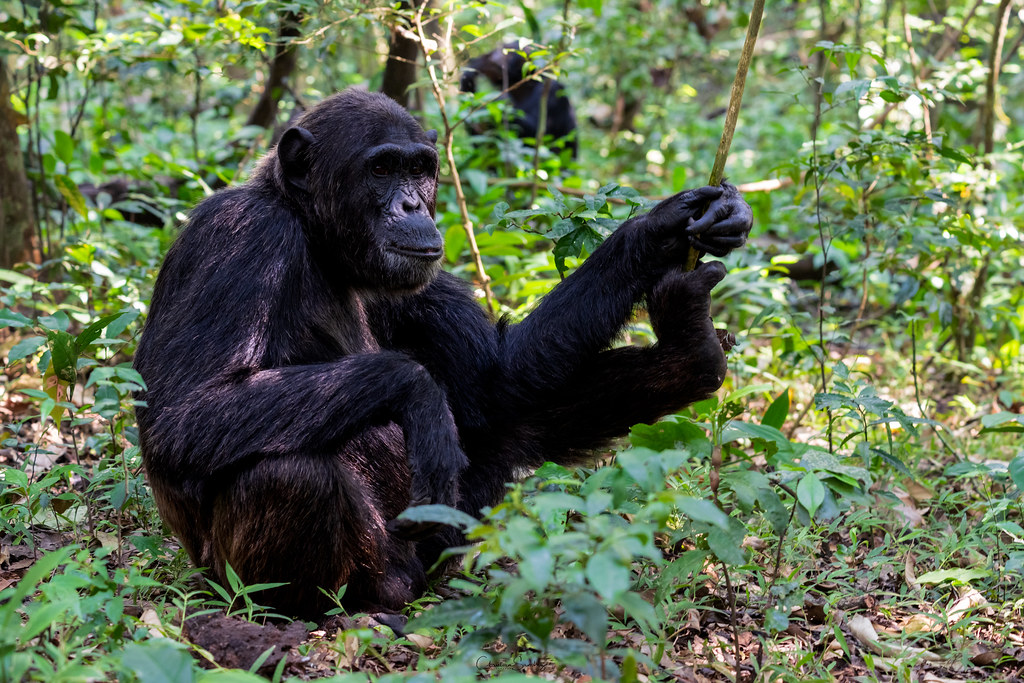
Chimpanzee Habituation Experience Uganda: Spend More Time with Kibale Chimpanzees
A chimpanzee habituation experience in Uganda offers travelers a deeper and longer encounter with wild chimpanzees than a standard chimpanzee trekking excursion. Taking place in the forests of Kibale National Park, the experience allows visitors to spend extended time observing chimpanzees as researchers and trackers work to understand and gradually habituate them to human presence.
Kibale National Park is one of East Africa’s leading destinations for chimpanzee experiences and is often described as one of Uganda’s most important primate forests.
Unlike a conventional chimpanzee trek, which focuses on locating habituated chimpanzees and observing them for a limited period, the chimpanzee habituation experience in Kibale is designed for travelers who want to spend considerably more time in the forest.
It is particularly attractive to wildlife photographers, primate enthusiasts, researchers, conservation-minded travelers and visitors who want a more immersive Uganda safari.
What Is the Chimpanzee Habituation Experience?
Chimpanzee habituation is the gradual process of helping wild chimpanzees become accustomed to the presence of humans without changing their natural behavior.
During a habituation experience, visitors accompany trained guides, trackers and, where applicable, researchers as they follow a chimpanzee community through the forest.
The animals remain wild.
They may move through trees, travel along the forest floor, feed, groom each other, rest, communicate or disappear into dense vegetation.
The purpose is not to make chimpanzees tame or dependent on humans. Instead, habituation allows researchers and conservation teams to observe them more closely while gradually reducing their natural reaction to human presence.
Where Is the Chimpanzee Habituation Experience in Uganda?
The main destination for chimpanzee habituation in Uganda is Kibale National Park in western Uganda.
Kibale’s extensive rainforest provides habitat for a remarkable diversity of primates.
The wider Kibale ecosystem is associated with:
- Chimpanzees
- Red-tailed monkeys
- Black-and-white colobus monkeys
- Blue monkeys
- L’Hoest’s monkeys
- Olive baboons
- Forest elephants
- Numerous forest bird species
For travelers interested specifically in chimpanzees, Kibale provides the foundation for a specialized primate safari.
Chimpanzee Habituation vs Chimpanzee Trekking
Although both activities take place in Kibale, they provide different experiences.
| Feature | Chimpanzee Trekking | Chimpanzee Habituation |
|---|---|---|
| Main purpose | Find and observe habituated chimpanzees | Spend extended time with a community undergoing habituation |
| Experience length | Generally shorter | Longer |
| Time with chimpanzees | More limited | Extended |
| Suitable for | General safari travelers | Dedicated primate enthusiasts |
| Forest time | Moderate | Extensive |
| Photography | Excellent | More opportunities |
| Research element | Limited | Greater |
| Physical demand | Moderate | Can be more demanding |
| Advance planning | Recommended | Particularly important |
Both experiences can be rewarding. The habituation experience is especially appropriate for travelers who want to dedicate a substantial part of their Uganda safari to chimpanzee behavior and forest ecology.
What Happens During a Chimpanzee Habituation Experience?
The day usually begins early.
Visitors meet their guides and trackers before entering the forest. The team then searches for the chimpanzee community and follows its movements.
Unlike a conventional wildlife drive, there is no fixed route.
The chimpanzees determine where you go.
You may walk through:
- Dense rainforest
- Open forest sections
- Muddy trails
- Sloping terrain
- Areas of thick vegetation
- Forest clearings
Once the chimpanzees are located, visitors may spend an extended period observing their behavior.
You could see chimpanzees:
- Feeding
- Grooming
- Calling
- Climbing
- Resting
- Playing
- Traveling
- Interacting socially
- Building or using nests
The extended duration makes it possible to observe behavior that may not be visible during a short encounter.
Why Choose Chimpanzee Habituation in Uganda?
A habituation experience is particularly valuable for travelers who want more than a brief wildlife encounter.
More Time in the Forest
You have more opportunity to experience the forest environment rather than simply searching for chimpanzees and returning.
Greater Behavioral Observation
Extended time can reveal social interactions, feeding patterns, movement and communication.
Photography Opportunities
The longer experience can provide additional opportunities to photograph chimpanzees and the surrounding forest.
Primate-Focused Safari
Kibale can become the centerpiece of a safari dedicated to Uganda’s primates.
Conservation and Research
Habituation experiences are closely connected to the process of studying and monitoring wild chimpanzee communities.
Kibale Forest: More Than Chimpanzees
While chimpanzees are the principal attraction, Kibale is one of Uganda’s richest primate environments.
During your habituation experience, you may encounter other species moving through the forest.
Possible sightings include:
- Red-tailed monkeys
- Black-and-white colobus monkeys
- Blue monkeys
- L’Hoest’s monkeys
- Olive baboons
- Forest elephants
- Forest birds
The forest itself is also part of the attraction, with tall trees, vines, streams and dense vegetation creating an immersive tropical environment.
Bigodi Wetland Sanctuary
A chimpanzee habituation safari can be complemented by a visit to Bigodi Wetland Sanctuary.
Bigodi is located close to Kibale and offers a community-based nature experience.
A guided walk can provide opportunities to see:
- Monkeys
- Birds
- Wetland vegetation
- Butterflies
- Local communities
Adding Bigodi to your itinerary gives you a different perspective on the landscape surrounding Kibale.
Chimpanzee Habituation and Birdwatching
Kibale is also attractive to birdwatchers.
The forest ecosystem and surrounding wetlands support numerous bird species.
Birdwatching can be incorporated into a longer habituation safari, particularly for travelers who want to combine primates and forest ecology.
Dedicated birdwatchers should consider allowing additional days rather than trying to combine every activity into one itinerary.
Best Time for Chimpanzee Habituation in Uganda
Kibale can be visited throughout the year.
The drier periods can provide easier trekking conditions, although Kibale remains a rainforest and rainfall is possible at any time.
Wet conditions can make trails muddy but also maintain the lush vegetation that characterizes the forest.
When selecting travel dates, consider:
- Weather
- Trekking conditions
- Permit availability
- Accommodation availability
- Gorilla trekking plans
- Overall Uganda safari itinerary
Because habituation permits and availability can be limited, advance planning is particularly important.
Chimpanzee Habituation Permit in Uganda
A chimpanzee habituation permit is separate from a standard chimpanzee trekking permit.
The applicable price can vary according to visitor category and current Uganda Wildlife Authority regulations.
Because tourism tariffs can change, travelers should confirm the current permit price and booking requirements before making final arrangements.
A specialist safari operator can assist with checking availability and arranging the necessary permits.
How Long Does Chimpanzee Habituation Take?
The habituation experience is designed as a longer forest experience than ordinary chimpanzee trekking.
Travelers should be prepared to spend much of the day in the forest.
The actual duration can depend on:
- Chimpanzee movements
- Forest conditions
- Weather
- Research and monitoring activities
- Park regulations
- Group arrangements
This means visitors should avoid scheduling another major activity immediately afterward.
How Difficult Is Chimpanzee Habituation?
Chimpanzee habituation can be physically demanding because you may spend many hours walking through forest terrain.
Conditions can include:
- Mud
- Slopes
- Tree roots
- Dense vegetation
- Uneven ground
- Long walking periods
A reasonable level of fitness is recommended.
Visitors should wear sturdy footwear and be prepared for changing weather.
What to Pack for Chimpanzee Habituation
A good packing list includes:
- Waterproof hiking boots
- Long trousers
- Long-sleeved shirt
- Lightweight rain jacket
- Daypack
- Reusable water bottle
- Insect repellent
- Sunscreen
- Hat
- Binoculars
- Camera
- Waterproof camera protection
- Extra socks
- Walking poles if preferred
- Snacks where permitted
Neutral-colored clothing can also be useful for forest wildlife viewing.
Chimpanzee Habituation Safari for Photographers
Kibale’s habituation experience can be particularly attractive to wildlife photographers.
The extended time in the forest gives photographers more opportunities to observe chimpanzee behavior rather than relying on a short sighting.
Photographers may capture:
- Chimpanzee portraits
- Social interactions
- Feeding behavior
- Chimpanzees in trees
- Forest landscapes
- Other primates
- Birds
- Environmental portraits
A longer lens can be useful, but photographers should follow all park rules and maintain the required distance from wildlife.
Chimpanzee Habituation Safari for Researchers and Wildlife Enthusiasts
Travelers with a strong interest in primatology may find the habituation experience especially rewarding.
Rather than simply checking chimpanzees off a wildlife list, visitors can spend more time observing:
- Social structures
- Communication
- Feeding behavior
- Movement
- Grooming
- Group interactions
- Forest ecology
The experience provides a closer look at how researchers and trackers work in a tropical forest environment.
Self-Drive Chimpanzee Habituation Safari
A self-drive Uganda safari can be an excellent way to reach Kibale and explore western Uganda.
A typical road-trip route could be:
Entebbe → Fort Portal → Kibale → Queen Elizabeth → Bwindi → Lake Bunyonyi
A 4×4 vehicle provides flexibility for travelers who want to explore beyond the main habituation activity.
The chimpanzee habituation experience itself is guided. Visitors cannot independently track chimpanzees without authorized guides and trackers.
4×4 Rental with Rooftop Tent for Kibale
Travelers interested in 4×4 rental with rooftop tent in Uganda can combine chimpanzee habituation with a wider camping safari.
A suitable camping vehicle may include:
- 4×4 vehicle
- Rooftop tent
- Mattress
- Sleeping equipment
- Refrigerator
- Camping table
- Camping chairs
- Cooking utensils
- Gas stove
- Water containers
- Spare tire
- Recovery equipment
Camping arrangements should be confirmed in advance, especially around protected areas.
Chimpanzee Habituation and Queen Elizabeth National Park
After Kibale, travelers can continue south toward Queen Elizabeth National Park.
This creates an excellent contrast between rainforest primates and savannah wildlife.
A combined safari can include:
Chimpanzee habituation → Queen Elizabeth game drives → Kazinga Channel
Wildlife commonly associated with Queen Elizabeth includes:
- Lions
- Leopards
- Elephants
- Buffalo
- Hippos
- Uganda kob
- Warthogs
- Various antelope species
Chimpanzee Habituation and Bwindi Gorilla Trekking
One of the strongest primate combinations in Uganda is:
Kibale chimpanzees + Bwindi gorillas
After the habituation experience, travelers can continue toward Bwindi Impenetrable National Park.
Bwindi Impenetrable National Park is famous for mountain gorilla trekking.
A combined itinerary gives travelers the opportunity to experience two of Africa’s most remarkable great apes within the same country.
Chimpanzee Habituation and Mgahinga
Another option is to continue toward Mgahinga Gorilla National Park.
Mgahinga offers gorilla trekking, golden monkey tracking and mountain landscapes.
A longer primate itinerary can therefore include:
Kibale → Queen Elizabeth → Bwindi/Mgahinga
Chimpanzee Habituation and Rwanda
Travelers can extend their Uganda primate safari into Rwanda.
A possible cross-border route is:
Kibale → Bwindi → Rwanda → Volcanoes National Park
This can combine:
- Chimpanzee habituation
- Gorilla trekking
- Golden monkey tracking
- Forest hiking
- Lake Kivu
Cross-border vehicle requirements should be checked before booking if using a rental vehicle.
Chimpanzee Habituation and Kenya
For travelers with additional time, Uganda can be combined with a Kenyan wildlife safari.
A longer East African itinerary could connect:
Kibale → Bwindi → Kenya → Maasai Mara → Nairobi
This creates a contrast between rainforest primates and Kenya’s savannah wildlife.
Chimpanzee Habituation and Tanzania
Dedicated primate travelers can also combine Uganda’s Kibale experience with Tanzania’s western chimpanzee destinations.
A multi-country itinerary could include:
Kibale → Tanzania → Mahale Mountains National Park
This provides two different chimpanzee ecosystems.
Travelers can then continue toward Serengeti, Ngorongoro or Zanzibar depending on available time.
Chimpanzee Habituation Safari for Couples
Couples who enjoy wildlife and adventure can build a special Uganda itinerary around the habituation experience.
A possible route is:
Kampala/Entebbe → Kibale → Queen Elizabeth → Bwindi → Lake Bunyonyi
The itinerary can combine intensive forest experiences with relaxing lakeside accommodation.
Chimpanzee Habituation Safari for Families
The long duration and physical nature of habituation mean families should check age requirements before booking.
Families with older children may combine the experience with easier activities such as:
- Bigodi Wetland walks
- Cultural experiences
- Wildlife drives
- Boat trips
- Scenic road journeys
The itinerary should allow enough time for rest between demanding activities.
Solo Chimpanzee Habituation Safari
Solo travelers can participate in a guided chimpanzee habituation experience and then continue through Uganda independently or with a private driver-guide.
A solo itinerary could include:
Entebbe → Kibale → Queen Elizabeth → Bwindi → Lake Bunyonyi
Self-drive is another option for experienced travelers comfortable with long-distance driving.
Chimpanzee Habituation Safari Cost
The total cost depends on the habituation permit, accommodation, transportation, vehicle arrangements and additional activities.
| Safari Component | Cost Consideration |
|---|---|
| Chimpanzee habituation permit | Current UWA tariff and visitor category |
| Accommodation | Budget, mid-range or luxury |
| 4×4 rental | Vehicle and rental duration |
| Driver-guide | Optional depending on arrangement |
| Park fees | Applicable protected-area charges |
| Bigodi experience | Separate activity |
| Gorilla trekking | Separate permit |
| Camping | Equipment and campsite costs |
| Cross-border travel | Additional requirements and costs |
Because permit fees and park regulations can change, always confirm current rates before booking.
How Many Days Do You Need?
3-Day Kibale Chimpanzee Habituation Trip
Day 1: Entebbe/Kampala – Kibale
Day 2: Chimpanzee habituation experience
Day 3: Departure
This is the shortest practical option for travelers focused primarily on Kibale.
5-Day Kibale Primate Safari
Day 1: Kampala/Entebbe – Kibale
Day 2: Chimpanzee habituation
Day 3: Bigodi Wetland
Day 4: Forest or cultural experience
Day 5: Continue toward Queen Elizabeth
7-Day Chimpanzee and Wildlife Safari
Day 1: Entebbe – Kibale
Day 2: Chimpanzee habituation
Day 3: Bigodi
Day 4: Kibale – Queen Elizabeth
Day 5: Game drive
Day 6: Kazinga Channel
Day 7: Return or continue toward Bwindi
10-Day Chimpanzee and Gorilla Safari
Day 1: Entebbe – Kibale
Day 2: Chimpanzee habituation
Day 3: Bigodi
Day 4: Queen Elizabeth
Day 5: Wildlife safari
Day 6: Queen Elizabeth – Bwindi
Day 7: Gorilla trekking
Day 8: Bwindi forest experience
Day 9: Lake Bunyonyi
Day 10: Return toward Entebbe
Best East Africa Primate Combination
Travelers with more time can create a broader East Africa chimpanzee safari.
A specialist itinerary could combine:
Uganda
Kibale chimpanzee habituation and Bwindi gorilla trekking.
Rwanda
Nyungwe chimpanzee trekking and Volcanoes gorilla trekking.
Tanzania
Mahale chimpanzee trekking.
This creates a multi-country great-ape itinerary covering several distinct forest ecosystems.
Frequently Asked Questions
What is chimpanzee habituation in Uganda?
It is an extended forest experience in which visitors accompany guides, trackers and, where applicable, researchers as they observe chimpanzee communities undergoing the habituation process.
Where can I do chimpanzee habituation in Uganda?
Kibale National Park is Uganda’s principal destination for chimpanzee habituation experiences.
Is habituation different from chimpanzee trekking?
Yes. Habituation is designed to provide a longer, more immersive experience with chimpanzee communities undergoing habituation, while standard trekking focuses on observing habituated chimpanzees for a shorter period.
How long is the habituation experience?
It is a substantially longer forest experience than standard chimpanzee trekking, and visitors should be prepared to spend much of the day in the forest.
Is chimpanzee habituation difficult?
It can be physically demanding because the chimpanzees move naturally through forest terrain. Visitors should be prepared for long walks, mud, slopes and uneven ground.
Can I take photographs?
Photography is generally possible subject to park rules, wildlife-viewing distances and the instructions of guides.
Can I self-drive to Kibale?
Yes. Experienced travelers can drive to Kibale as part of a Uganda self-drive itinerary, while the habituation experience itself is conducted with authorized guides and trackers.
Can I combine habituation with gorilla trekking?
Yes. Kibale can be combined with Bwindi or Mgahinga to create a Uganda great-ape safari.
Can I combine Kibale with Rwanda?
Yes. Uganda and Rwanda can be combined in a longer East African primate safari, subject to current border and vehicle requirements.
How far in advance should I book?
Advance planning is recommended because chimpanzee habituation permits, accommodation and suitable safari vehicles can have limited availability.
Book Your Uganda Chimpanzee Habituation Experience
A chimpanzee habituation experience in Uganda offers an opportunity to spend an extended period immersed in the forests of Kibale and observe chimpanzees in a more detailed and natural setting.
It can be the centerpiece of a dedicated primate safari or combined with Queen Elizabeth National Park, Bwindi, Mgahinga, Lake Bunyonyi, Rwanda, Kenya or Tanzania.
Whether you prefer a guided Uganda safari, private 4×4, self-drive adventure or rooftop tent camping, we can help create a route around your travel dates, interests and preferred style of travel.
Contact Graceland Adventurous to plan your Uganda chimpanzee habituation experience, Kibale primate safari or wider East Africa great-ape adventure.