
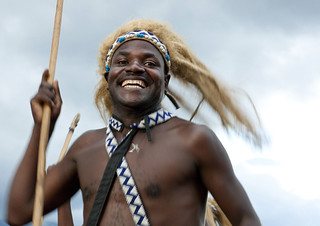
Burundi – Culture and Wildlife
Burundi is one of East Africa’s lesser-known destinations, but its combination of vibrant culture, beautiful landscapes, lakes, forests and wildlife makes it an intriguing country for travellers looking beyond the region’s better-known safari destinations. Known as the “Heart of Africa,” Burundi sits between Rwanda, Tanzania and the Democratic Republic of Congo, with Lake Tanganyika forming part of its western landscape.
While Burundi may not have the vast wildlife populations associated with Kenya or Tanzania, it offers something different: an authentic cultural experience combined with scenic nature, forest wildlife, birdlife and opportunities to explore communities and traditions that have developed over centuries.
From the energetic rhythms of traditional drumming to the peaceful shores of Lake Tanganyika and the montane forests of Kibira National Park, Burundi offers travellers an opportunity to experience a quieter and more intimate side of East Africa.
Burundi’s Cultural Heritage
Culture is one of Burundi’s greatest attractions. Traditional customs remain important in everyday life, and visitors can discover a strong sense of identity through music, dance, crafts, food, storytelling and community traditions.
Burundian culture has historically been shaped by the country’s three major population groups—Hutu, Tutsi and Twa—whose communities have contributed to the country’s cultural heritage in different ways. Today, Burundian identity is expressed through shared traditions, national history and cultural practices.
The capital, Bujumbura, provides an excellent starting point for discovering contemporary Burundi, while travelling into the countryside reveals traditional lifestyles, agricultural communities and rural landscapes.
The Famous Royal Drummers of Burundi
One of Burundi’s most internationally recognised cultural traditions is its traditional drumming.
Burundian drumming is more than entertainment. Historically, drums held an important place in royal ceremonies and other significant occasions. The performers combine powerful rhythms, coordinated movement and dancing to create a dramatic cultural performance.
The famous Royal Drummers of Burundi have helped introduce this musical tradition to audiences around the world. Their performances are characterised by large traditional drums, energetic choreography and complex rhythms.
For travellers interested in African culture, attending a traditional drumming performance can be one of the highlights of a visit to Burundi.
Traditional Crafts and Handicrafts
Burundi has a long tradition of producing handmade crafts. Local artisans create baskets, mats, pottery, wood carvings, textiles and other decorative objects using locally available materials.
Basket weaving is particularly important in Burundian culture. Traditionally produced baskets can feature intricate patterns and are both practical and decorative.
Visitors can support local communities by purchasing authentic handicrafts directly from artisans and community-based businesses. These products also provide meaningful souvenirs that reflect Burundi’s cultural heritage.
Burundian Food and Local Cuisine
Food provides another way to experience Burundian culture.
Traditional meals commonly include staples such as bananas, cassava, sweet potatoes, beans, rice and maize, accompanied by vegetables, meat or fish depending on the location and availability.
Because of Burundi’s position along Lake Tanganyika, fish is particularly important around the lakeshore. Fresh fish can be found in local markets and restaurants, while bananas and plantains are widely used in traditional meals.
Travellers who want a deeper cultural experience should consider visiting local markets and trying traditional dishes prepared by local communities.
Burundi’s Natural Landscapes
Burundi’s relatively small size makes it possible to experience a surprising variety of landscapes within a single journey.
The country includes mountains, highland plateaus, forests, wetlands, agricultural areas and the enormous Lake Tanganyika.
The western part of the country is dominated by Lake Tanganyika, while the north and east contain important wetlands and protected areas. The mountainous areas provide cooler climates and spectacular scenery.
These different ecosystems support a variety of wildlife and make Burundi particularly interesting for travellers who enjoy combining culture, nature and scenic road trips.
Kibira National Park
Kibira National Park is one of Burundi’s most important protected areas. Located in the northwestern part of the country, the park protects a large area of montane rainforest extending across the Congo-Nile watershed.
The forest provides habitat for a variety of mammals, birds and other species.
Among the wildlife associated with the forest are primates, including colobus monkeys and chimpanzees in the broader forest ecosystem, although sightings are not guaranteed.
Kibira is particularly appealing to travellers interested in forest environments, birdwatching, hiking and nature rather than traditional savannah game drives.
The park’s dense vegetation and mountainous environment create a very different experience from the open plains of the Serengeti or Maasai Mara.
Rusizi National Park
Located close to Bujumbura, Rusizi National Park protects wetlands and floodplains associated with the Rusizi River and Lake Tanganyika.
The park is particularly interesting for birdwatchers. Its wetlands provide habitat for numerous waterbirds and other species, while the surrounding landscape offers opportunities to observe wildlife in a peaceful natural environment.
Visitors may encounter hippos and other wetland wildlife, depending on conditions and location.
Because Rusizi is relatively close to Bujumbura, it can be incorporated into a short cultural and nature itinerary.
Kibira Forest and Primate Experiences
Burundi’s forests provide opportunities for travellers interested in primates and rainforest ecosystems.
Although Burundi is not currently as internationally famous for chimpanzee or primate trekking as neighbouring Rwanda or Uganda, its forests remain important habitats for biodiversity.
Exploring these forests with knowledgeable local guides allows visitors to learn about the plants, animals and ecological importance of the Congo-Nile highlands.
For travellers interested in wildlife photography, forest birding and nature walks, the experience can be more about discovering biodiversity than ticking off a long list of large mammals.
Lake Tanganyika
Lake Tanganyika is one of Burundi’s defining natural attractions.
Stretching along the country’s western border, the lake is one of the world’s great freshwater lakes and is famous for its depth, size and biodiversity.
The lakeshore around Bujumbura provides opportunities for relaxation, sightseeing, boating and enjoying spectacular sunsets.
Travellers can combine a cultural tour of Bujumbura with time beside the lake, creating a balanced itinerary of city exploration, nature and relaxation.
Bujumbura and the Lakeshore
Bujumbura is the main urban gateway to Burundi and sits on the northeastern shores of Lake Tanganyika.
The city offers a combination of markets, restaurants, cultural attractions and lakeside experiences.
A visit to Bujumbura can include exploring local markets, sampling Burundian cuisine and spending time along the lake.
The city also provides a useful base for excursions to nearby natural attractions.
Wildlife in Burundi
Burundi’s wildlife is generally less concentrated and less accessible than that of East Africa’s major safari destinations, but the country’s protected areas are important for biodiversity.
Wildlife that can be encountered in different parts of the country includes:
- Hippopotamus
- Monkeys and other primates
- Antelope species
- Crocodiles
- Bushbuck and other forest mammals
- Numerous bird species
- Reptiles and amphibians
- A wide variety of butterflies and insects
The country’s forests and wetlands are particularly valuable for birdlife and smaller wildlife.
For visitors whose main objective is to see large numbers of elephants, lions, leopards and other classic safari animals, Tanzania or Kenya will generally provide a stronger safari experience. Burundi, however, can be an excellent addition to a broader East African journey for travellers interested in culture, landscapes, lakes and lesser-known destinations.
Birdwatching in Burundi
Birdwatching is one of Burundi’s most promising nature activities.
The country’s combination of forests, wetlands, mountains, agricultural landscapes and Lake Tanganyika creates a range of habitats for birds.
Rusizi’s wetlands are especially interesting for waterbirds, while Kibira’s montane forests provide opportunities to look for forest species.
Birdwatching can be combined with hiking, nature walks and cultural visits, making it an excellent activity for travellers who prefer slower and more immersive experiences.
Cultural Experiences in Burundi
A Burundi journey can go beyond sightseeing by incorporating authentic cultural experiences.
Travellers can explore local markets, meet artisans, experience traditional music and dance, learn about local food traditions and visit rural communities.
A cultural itinerary might include:
Traditional Drumming
Experience one of Burundi’s most famous artistic traditions through a live drumming and dance performance.
Local Markets
Markets provide a colourful introduction to daily life, local produce, handicrafts and traditional foods.
Craft Experiences
Meet local artisans producing woven baskets, pottery, textiles and other handmade products.
Rural Community Visits
Travelling beyond the cities allows visitors to see agricultural landscapes and learn about traditional rural lifestyles.
Traditional Cuisine
Trying locally prepared dishes provides an opportunity to experience Burundi through its food.
When to Visit Burundi
The best time to visit depends on the activities planned.
The drier periods are generally more convenient for road travel, hiking and wildlife viewing, while the rainy seasons can produce lush green landscapes and excellent conditions for photography.
Travellers should consider their preferred activities when choosing travel dates, particularly if combining Burundi with neighbouring Rwanda, Tanzania, Uganda or Kenya.
Because weather conditions can vary between the lakeshore and mountainous regions, a local travel specialist can help plan the most suitable itinerary.
Exploring Burundi by Road
A road journey is one of the best ways to experience Burundi’s landscapes and communities.
Driving allows travellers to move beyond Bujumbura and explore forests, highlands, lakeshores, rural communities and protected areas at a more flexible pace.
For travellers planning a wider East African adventure, Burundi can potentially be combined with neighbouring countries depending on border requirements, vehicle permissions and the chosen route.
A regional itinerary could include Burundi alongside:
- Rwanda
- Tanzania
- Uganda
- Kenya
- Democratic Republic of Congo
Cross-border travel requires careful planning because rental vehicle policies, insurance, border documentation and entry requirements vary between countries.
Burundi, Culture and Wildlife – A Different Side of East Africa
Burundi may not compete with Tanzania or Kenya in terms of large-scale safari wildlife, but that is not necessarily its greatest attraction.
The country’s strength lies in the combination of culture, nature, scenery and authenticity.
Visitors can watch powerful traditional drumming performances, explore local markets, relax beside Lake Tanganyika, walk through montane forests, discover wetlands and experience rural landscapes away from the region’s busiest tourist routes.
For travellers looking for an East African experience beyond the traditional safari circuit, Burundi offers an opportunity to discover a country that remains relatively underexplored.
Plan Your Burundi Adventure
At Pendo La Africa Safaris, we can help travellers plan journeys across Burundi and the wider East African region, including cultural tours, wildlife experiences, road trips, car rental and multi-country itineraries.
Whether you are interested in exploring Burundi’s cultural heritage, discovering its forests and wetlands, relaxing on Lake Tanganyika or combining Burundi with Rwanda, Tanzania, Uganda or Kenya, we can help create an itinerary suited to your interests and travel style.
Explore East Africa beyond the usual safari routes. Discover Burundi’s culture, wildlife and landscapes with Pendo La Africa Safaris.