
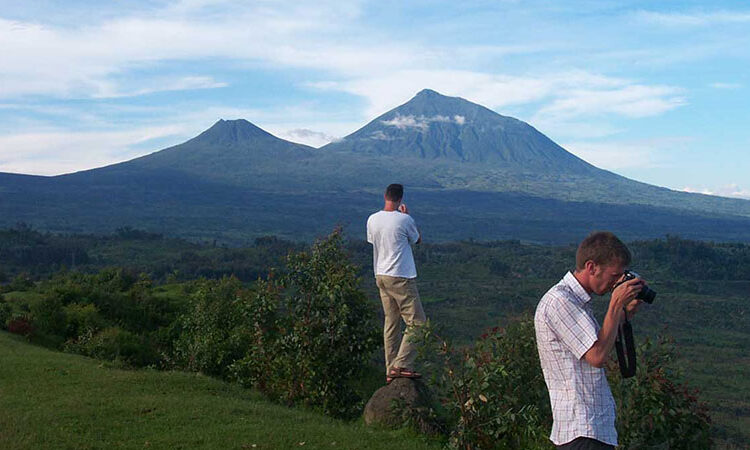
Shira Cone of Mount Kilimanjaro: Exploring the Oldest Volcanic Formation in Tanzania
Introduction to Shira Cone of Mount Kilimanjaro
Mount Kilimanjaro is one of Africa’s most remarkable natural landmarks, famous for its towering summit, spectacular landscapes and fascinating volcanic history. Located in northeastern Tanzania, the mountain consists of three principal volcanic formations: Shira, Mawenzi and Kibo. Among these ancient volcanic structures, Shira Cone is the oldest, representing an important stage in the geological evolution of Mount Kilimanjaro.
Situated on the western side of the mountain, Shira is characterised by an extensive high-altitude plateau, ancient volcanic ridges, rocky formations and impressive mountain scenery. Unlike Kibo and Mawenzi, Shira has experienced extensive erosion and volcanic collapse, leaving behind a broad elevated landscape that attracts hikers, climbers, photographers and nature enthusiasts.
Today, the Shira Plateau is an important feature of the Kilimanjaro climbing experience, particularly for travellers taking the Lemosho and Shira routes. From this spectacular landscape, visitors enjoy magnificent views of Kibo Peak, surrounding mountain slopes and the unique vegetation of Kilimanjaro’s high-altitude environment.
Geological History and Formation of Shira Cone
The geological history of Shira dates back approximately 2.5 million years, making it the oldest of Kilimanjaro’s three major volcanic centres. Its formation occurred during the early stages of the mountain’s volcanic development, when repeated eruptions released lava and other volcanic materials that gradually built a large volcanic structure.
Over millions of years, volcanic activity, erosion and structural collapse transformed the original cone. A substantial part of the ancient volcanic structure collapsed, creating a broad depression that eventually developed into the landscape now recognised as the Shira Plateau.
Subsequent geological processes, including weathering, glacial activity and erosion, further shaped the remaining volcanic ridges and rocky formations.
The present-day Shira landscape provides valuable evidence of Kilimanjaro’s geological evolution and the volcanic processes responsible for creating Africa’s highest mountain.
Height and Location of Shira Cone
Shira is located on the western side of Mount Kilimanjaro, within Kilimanjaro National Park in northern Tanzania. Its highest surviving point reaches approximately 3,962 metres above sea level.
Although it is significantly lower than Kibo and Mawenzi, Shira remains an important geographical feature of the mountain.
Its elevated position provides spectacular views across the surrounding landscape, particularly towards Kibo, whose snow-covered summit rises prominently above the plateau.
The Shira Plateau is generally situated at approximately 3,500 to 4,000 metres above sea level, depending on the particular section being explored.
The Three Volcanic Cones of Mount Kilimanjaro
Understanding Shira requires looking at the three major volcanic formations that make up Mount Kilimanjaro.
1. Shira Cone
Shira is the oldest volcanic centre and is situated on the western side of the mountain. Its original volcanic structure has largely collapsed and eroded, leaving behind the extensive Shira Plateau and surrounding ridges.
2. Mawenzi Cone
Mawenzi is the second-highest volcanic formation of Kilimanjaro, reaching approximately 5,149 metres. It is famous for its rugged peaks, steep ridges and dramatic rocky landscape. Unlike Kibo, Mawenzi has no broad summit crater.
3. Kibo Cone
Kibo is the highest and youngest of the three principal volcanic formations. It rises to 5,895 metres at Uhuru Peak, the highest point in Africa. Its summit contains a large volcanic crater and glaciers, making it the primary destination for Kilimanjaro climbers.
Together, these three volcanic formations explain the mountain’s distinctive shape and fascinating geological history.
Exploring the Shira Plateau
The Shira Plateau is one of the most spectacular landscapes encountered during a Mount Kilimanjaro climbing adventure. It occupies a large section of the western mountain slopes and is characterised by open moorland, volcanic rocks, rolling hills and impressive mountain views.
Unlike the dense rainforest found at lower elevations, the plateau has a more open environment, with vegetation adapted to cold temperatures, strong winds and reduced oxygen levels.
The plateau is particularly attractive to photographers because it provides excellent views of Kibo Peak, especially during clear mornings and evenings.
Among its notable geographical features are Shira Cathedral, Shira Ridge and several volcanic rock formations scattered across the plateau.
Shira Cathedral: A Remarkable Volcanic Formation
One of the most recognisable attractions in the Shira region is Shira Cathedral. This dramatic volcanic formation rises above the surrounding plateau, creating an impressive natural landmark.
Its rocky structure reflects the ancient volcanic history of the mountain and the erosion processes that have shaped the Shira landscape.
Hikers exploring the Shira region can enjoy impressive views of the formation while experiencing the unique high-altitude environment.
Shira Cathedral is also a rewarding photography location, particularly for visitors interested in the geological features of Mount Kilimanjaro.
Hiking Shira Cone Through the Shira and Lemosho Routes
The western side of Mount Kilimanjaro provides access to some of the mountain’s most scenic climbing routes. The Shira and Lemosho routes both offer opportunities to explore the ancient volcanic landscape.
Shira Route
The Shira Route approaches Mount Kilimanjaro from the western side and provides access to the Shira Plateau. Because the route begins at a relatively high elevation, climbers should be aware of the potential effects of altitude.
During the trek, hikers experience open mountain scenery, volcanic formations and impressive views of Kibo.
Lemosho Route
The Lemosho Route is another popular approach to the Shira Plateau. Unlike the Shira Route, it begins at a lower elevation, allowing climbers to experience the mountain’s rainforest before gradually ascending into the moorland and alpine environments.
The route offers excellent scenery, opportunities for acclimatisation and a memorable approach to the Shira landscape.
Both routes eventually connect with trails leading towards the higher slopes of Kibo and the summit.
Vegetation and Wildlife Around Shira Plateau
The Shira Plateau supports a distinctive high-altitude ecosystem. Its vegetation is adapted to cooler temperatures, strong winds and changing weather conditions.
Common vegetation includes grasses, heather, hardy shrubs and other plants associated with Kilimanjaro’s moorland environment.
Wildlife sightings are less frequent than in the lower rainforest, but the broader Shira region supports several mountain species.
Visitors may encounter birds such as ravens and other high-altitude species. Small mammals may also occur in the surrounding habitats.
The area’s ecological importance makes it an interesting destination for hikers, nature lovers and visitors interested in mountain biodiversity.
Best Time to Explore Shira Cone
The best time to explore the Shira Plateau is generally during Kilimanjaro’s drier climbing seasons.
The main recommended periods are:
- January to March: Generally favourable conditions, with relatively clear periods and colder summit conditions.
- June to October: A popular climbing season with generally drier weather and good mountain visibility.
April, May and November are generally wetter periods, although climbing is possible depending on weather conditions.
Because Shira is situated at high altitude, temperatures can change considerably throughout the day. Hikers should carry appropriate clothing, waterproof equipment and sufficient protection against cold conditions.
Why Visit Shira Cone During a Kilimanjaro Hiking Adventure?
Shira offers a different experience from the more dramatic summit landscapes of Kibo and Mawenzi. Its broad plateau, ancient volcanic formations and panoramic scenery provide an opportunity to appreciate the geological and ecological diversity of Kilimanjaro.
The main attractions include:
- Exploring one of Kilimanjaro’s oldest volcanic formations.
- Walking across the spectacular Shira Plateau.
- Viewing the ancient volcanic ridges and rock formations.
- Photographing Kibo Peak from the western side.
- Experiencing the mountain’s high-altitude moorland environment.
- Exploring the Shira region through the Lemosho and Shira climbing routes.
For travellers interested in geology, photography, nature and mountain adventures, Shira is an important part of the overall Kilimanjaro experience.
Frequently Asked Questions About Shira Cone
1. What is Shira Cone on Mount Kilimanjaro?
Shira is the oldest of Mount Kilimanjaro’s three principal volcanic centres. It is located on the western side of the mountain and is now represented mainly by an extensive plateau and eroded volcanic ridges.
2. How high is Shira Cone?
The highest surviving point of the Shira volcanic structure is approximately 3,962 metres above sea level.
3. Is Shira Cone extinct?
Yes. Shira is considered an extinct volcanic centre, and its original volcanic structure has undergone extensive erosion and collapse.
4. What is the Shira Plateau famous for?
The Shira Plateau is famous for its ancient volcanic landscape, open moorland, panoramic views of Kibo Peak and distinctive geological formations.
5. Can you hike Shira Cone?
Visitors can explore the Shira region through the Shira and Lemosho climbing routes. These routes provide access to the plateau and its surrounding volcanic landscapes.
6. What is the difference between Shira and Kibo?
Shira is the oldest and lowest of Kilimanjaro’s three principal volcanic centres, while Kibo is the highest and youngest. Kibo contains Uhuru Peak at 5,895 metres, whereas Shira is characterised by an eroded plateau and ancient volcanic ridges.
7. Which route is best for exploring the Shira Plateau?
Both the Shira and Lemosho routes explore the plateau. Lemosho offers a lower starting elevation and a gradual approach through the rainforest, while the Shira Route starts higher on the western side of the mountain.
Plan Your Mount Kilimanjaro Hiking Adventure
Exploring Shira Cone is an opportunity to discover the ancient geological history and spectacular landscapes of Mount Kilimanjaro. From the open Shira Plateau to the impressive views of Kibo Peak, this region offers a memorable experience for anyone interested in mountain exploration.
Whether you choose the Lemosho Route or the Shira Route, exploring this ancient volcanic landscape is an important part of understanding the natural beauty of Kilimanjaro.
Plan your Mount Kilimanjaro hiking adventure in Tanzania and discover the mountain’s three volcanic cones, diverse climatic zones and spectacular high-altitude scenery.