
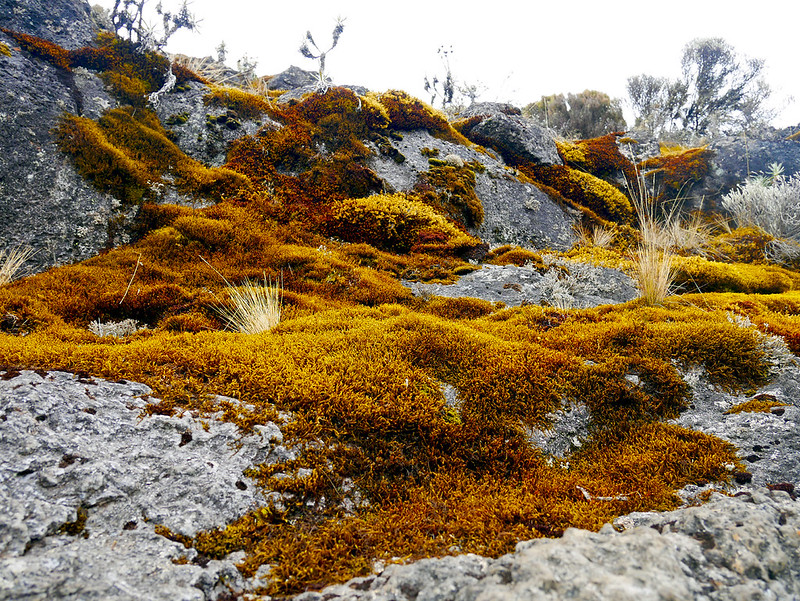
Climatic Zones of Mount Kilimanjaro: Exploring the Five Ecological Zones
Mount Kilimanjaro is one of Africa’s most remarkable natural landmarks and the highest mountain on the continent, standing at 5,895 metres above sea level. Located in northern Tanzania, Kilimanjaro is famous for its snow-capped summit, spectacular landscapes and extraordinary ecological diversity.
One of the most fascinating features of Mount Kilimanjaro is its five major climatic and ecological zones. As climbers ascend from the lower slopes towards Uhuru Peak, they experience dramatic changes in temperature, rainfall, vegetation and wildlife.
The journey begins in the warm agricultural foothills, continues through lush tropical rainforest, crosses the heath and moorland, enters the dry alpine desert and finally reaches the cold arctic environment near the summit.
These changing environments make climbing Mount Kilimanjaro a unique adventure, allowing visitors to experience several different natural ecosystems during a single expedition.
For travellers planning a mountain adventure with Graceland Adventurous, understanding the climatic zones of Kilimanjaro is an important part of preparing for the climb.
1. Cultivation Zone (800–1,800 Metres)
The cultivation zone occupies the lower slopes of Mount Kilimanjaro and is characterised by fertile volcanic soils, agricultural plantations, traditional villages and green landscapes.
The region supports extensive farming activities, particularly among the Chagga communities who have lived on the mountain’s fertile slopes for generations.
Coffee and bananas are among the most important agricultural products, although farmers also cultivate maize, beans, avocados, vegetables and various tropical fruits.
The favourable climate and relatively abundant rainfall make this region suitable for agriculture and human settlement.
Climate and characteristics:
- Altitude: Approximately 800–1,800 metres.
- Climate: Warm and relatively humid.
- Vegetation: Coffee plantations, banana farms and tropical crops.
- Activities: Agriculture, livestock keeping and village life.
Visitors can explore the cultural heritage of the communities around Kilimanjaro before beginning their climbing adventure.
2. Montane Forest Zone (1,800–2,800 Metres)
The montane forest zone is one of the most beautiful ecological environments on Mount Kilimanjaro. It generally extends from approximately 1,800 to 2,800 metres above sea level.
As climbers leave the agricultural foothills, they enter a dense tropical rainforest characterised by towering trees, moss-covered branches, ferns, shrubs and thick vegetation.
The forest receives considerable rainfall, particularly on the southern and southeastern slopes. Frequent mist and cloud cover create a cool, humid environment that supports diverse plant and animal species.
Wildlife found in this region includes blue monkeys, black-and-white colobus monkeys, bushbucks and numerous bird species.
Climate and characteristics:
- Altitude: Approximately 1,800–2,800 metres.
- Climate: Cool, humid and frequently misty.
- Rainfall: Relatively high.
- Vegetation: Tropical rainforest, mosses, ferns and large trees.
- Wildlife: Monkeys, birds and small mammals.
The Machame, Marangu, Lemosho and Rongai routes pass through forest environments during their lower sections, although the exact starting elevations and forest coverage differ.
3. Heath and Moorland Zone (2,800–4,000 Metres)
The heath and moorland zone begins above the rainforest and extends to approximately 4,000 metres above sea level.
The dense forest gradually disappears, giving way to open landscapes dominated by giant heathers, grasses, shrubs and unusual high-altitude plants.
This zone is particularly famous for its giant groundsels, also known as giant senecios, and giant lobelias. These plants have developed special adaptations that enable them to survive cold nights, intense sunlight and changing mountain weather.
The moorland provides spectacular mountain scenery, including expansive valleys, volcanic formations and panoramic views.
Climate and characteristics:
- Altitude: Approximately 2,800–4,000 metres.
- Climate: Cool during the day and cold at night.
- Rainfall: Generally lower than in the rainforest.
- Vegetation: Giant heathers, grasses, lobelias and groundsels.
- Landscape: Open moorland, rocky slopes and mountain valleys.
Important geographical features in this region include Shira Plateau, Shira Cathedral, Barranco Valley and the Great Barranco Wall.
As climbers gain altitude, proper acclimatization becomes increasingly important. Walking slowly, drinking enough water and following the recommended climbing schedule help the body adjust to reduced oxygen availability.
4. Alpine Desert Zone (4,000–5,000 Metres)
The alpine desert zone is a high-altitude environment characterised by limited vegetation, rocky landscapes, strong winds and significant temperature variations.
At these elevations, rainfall becomes limited and the landscape changes into a relatively barren environment dominated by volcanic rocks, gravel and exposed mountain slopes.
Daytime conditions can be sunny and relatively mild, while nighttime temperatures frequently fall below freezing.
Only a limited number of specially adapted plants can survive in this harsh environment.
Climate and characteristics:
- Altitude: Approximately 4,000–5,000 metres.
- Climate: Dry, cold and exposed.
- Temperature: Significant differences between day and night.
- Vegetation: Very sparse.
- Landscape: Rocky terrain, volcanic formations and barren slopes.
Some of Kilimanjaro’s most famous landmarks are found within or near this ecological zone.
Lava Tower
Lava Tower is a prominent volcanic rock formation located at approximately 4,630 metres above sea level. It is an important acclimatization point on several climbing itineraries, particularly the Machame and Lemosho routes.
Barranco Camp
Barranco Camp sits at approximately 3,960 metres in a spectacular mountain valley beneath the famous Barranco Wall. It is known for its giant groundsels and beautiful mountain scenery.
Barafu Camp
Barafu Camp is located at approximately 4,673 metres and serves as an important high-altitude camp for climbers approaching the summit through several southern routes.
At these elevations, climbers should pay close attention to their physical condition and immediately inform their guides about any symptoms of altitude sickness.
5. Arctic Zone (5,000–5,895 Metres)
The arctic zone is the highest ecological region of Mount Kilimanjaro, extending from approximately 5,000 metres to Uhuru Peak at 5,895 metres above sea level.
It is characterised by extremely low temperatures, strong winds, intense sunlight and almost complete absence of vegetation.
Despite Kilimanjaro’s location near the equator, its high elevation creates freezing conditions around the summit.
The landscape features volcanic rocks, glaciers, ice formations and occasional snowfall, creating a spectacular mountain environment.
Climate and characteristics:
- Altitude: Approximately 5,000–5,895 metres.
- Climate: Extremely cold and exposed.
- Temperature: Frequently below freezing, particularly at night.
- Vegetation: Almost completely absent.
- Landscape: Glaciers, ice fields, volcanic rocks and snow.
Stella Point
Stella Point is situated at approximately 5,756 metres on the crater rim. It is a major milestone for climbers approaching the summit from the southern side of Kilimanjaro.
Uhuru Peak
Uhuru Peak stands at 5,895 metres above sea level and is the highest point on Mount Kilimanjaro and the African continent.
Reaching the summit is the ultimate goal for most climbers. The experience of standing at the Roof of Africa, surrounded by spectacular mountain scenery and glaciers, is one of the most memorable achievements of a lifetime.
Kilimanjaro Glaciers
Kilimanjaro’s glaciers are among its most recognisable natural features. However, they have retreated considerably over the past century due to changing climatic conditions.
The remaining ice formations continue to attract scientific interest and contribute to the mountain’s unique identity.
Comparison of the Five Climatic Zones of Mount Kilimanjaro
| Climatic Zone | Altitude | Main Characteristics |
|---|---|---|
| Cultivation Zone | 800–1,800 m | Coffee farms, banana plantations and villages |
| Montane Forest | 1,800–2,800 m | Dense rainforest and wildlife |
| Heath and Moorland | 2,800–4,000 m | Giant heathers, lobelias and groundsels |
| Alpine Desert | 4,000–5,000 m | Rocky terrain and sparse vegetation |
| Arctic Zone | 5,000–5,895 m | Glaciers, ice and freezing conditions |
The altitude boundaries are approximate and ecological transitions vary depending on the mountain’s slope, rainfall and local environmental conditions.
How Does Temperature Change Across Kilimanjaro’s Climatic Zones?
One of the most interesting aspects of climbing Mount Kilimanjaro is experiencing dramatic temperature changes during the expedition.
At the lower elevations, temperatures are generally warm and suitable for agricultural activities. In the rainforest, conditions become cooler and more humid.
As climbers enter the moorland, temperatures decrease further, particularly at night. Above 4,000 metres, cold winds, intense sunlight and freezing nighttime temperatures become increasingly common.
Near Uhuru Peak, temperatures can fall well below freezing, particularly during the early morning summit attempt.
For this reason, climbers should prepare for both warm daytime conditions and extremely cold summit temperatures.
Wildlife and Biodiversity Across Kilimanjaro’s Climatic Zones
Mount Kilimanjaro supports a variety of wildlife species, particularly in its lower forest habitats.
The montane rainforest provides suitable conditions for primates, birds, insects and small mammals. Wildlife found around the mountain includes blue monkeys, black-and-white colobus monkeys, bushbucks, duikers and forest elephants.
The lower forest habitats also support numerous bird species, making Kilimanjaro an interesting destination for nature enthusiasts and birdwatchers.
Wildlife becomes less abundant at higher elevations because of increasingly harsh environmental conditions.
The heath and moorland, alpine desert and arctic zones support considerably fewer animal species than the lower forest environments.
What Should You Wear When Climbing Through Kilimanjaro’s Climatic Zones?
Preparing suitable clothing is essential because weather conditions change significantly as climbers gain altitude.
A layered clothing system is recommended because it allows trekkers to adjust their clothing according to temperature, wind and physical activity.
| Climatic Zone | Recommended Clothing |
|---|---|
| Cultivation | Lightweight hiking clothes |
| Montane Forest | Waterproof jacket and hiking trousers |
| Heath and Moorland | Fleece jacket and warm layers |
| Alpine Desert | Insulated jacket, gloves and thermal clothing |
| Arctic Zone | Heavy down jacket, thermal base layers, warm gloves and balaclava |
Other essential equipment includes waterproof hiking boots, a warm sleeping bag, hiking poles, sunglasses, sunscreen, a headlamp and suitable trekking socks.
Climbers should also carry adequate drinking water and follow their guides’ advice throughout the expedition.
Which Kilimanjaro Routes Offer the Best Experience of the Climatic Zones?
All established Kilimanjaro climbing routes offer opportunities to experience different ecological environments. However, each route provides a different approach to the mountain and a unique combination of scenery.
Machame Route: One of the most popular routes, offering varied scenery from rainforest and moorland to alpine desert and the summit.
Lemosho Route: Known for its beautiful forest approaches, Shira Plateau and extended acclimatization opportunities on longer itineraries.
Marangu Route: The only established route offering mountain hut accommodation, passing through rainforest, heath and moorland before reaching the summit.
Northern Circuit Route: The longest established route, offering an extended journey around the northern slopes and excellent opportunities to experience Kilimanjaro’s changing landscapes.
Rongai Route: Approaches the mountain from the northern side, offering a quieter climbing experience and different scenery from the southern routes.
Umbwe Route: A steep and demanding approach recommended for experienced trekkers who are properly prepared for its challenging ascent.
Shira Route: Approaches from the western side and crosses the spectacular Shira Plateau. Its relatively high starting elevation requires particular attention to acclimatization.
Choosing an itinerary with sufficient acclimatization time is more important than selecting a route simply because of its scenery.
Frequently Asked Questions About the Climatic Zones of Mount Kilimanjaro
How many climatic zones does Mount Kilimanjaro have?
Mount Kilimanjaro is commonly divided into five major climatic and ecological zones: cultivation, montane forest, heath and moorland, alpine desert and arctic.
Which is the coldest climatic zone on Kilimanjaro?
The arctic zone is the coldest region, extending from approximately 5,000 metres to Uhuru Peak at 5,895 metres.
Where does the rainforest zone begin on Kilimanjaro?
The montane forest zone generally begins at approximately 1,800 metres and extends to around 2,800 metres above sea level.
Does Kilimanjaro have snow throughout the year?
Snow and ice can occur near the summit throughout the year, although their distribution and extent vary with weather conditions and long-term climatic changes.
Which climatic zone has the most vegetation?
The montane forest zone supports dense vegetation, including large trees, mosses, ferns and numerous tropical forest plants.
Why does Mount Kilimanjaro have different climatic zones?
The mountain’s elevation creates significant differences in temperature, rainfall, humidity and atmospheric conditions. These variations support different vegetation and ecological environments at different altitudes.
Can climbers experience all five climatic zones?
Yes. Climbers ascending through the established routes can experience the five broad ecological zones, although the exact transitions depend on the route and starting elevation.
What is the best time to climb Kilimanjaro?
January to March and June to October generally offer favourable climbing conditions. However, weather varies across the mountain, and climbers should prepare for changing conditions regardless of the season.
Are there glaciers on Mount Kilimanjaro?
Yes. Kilimanjaro has several remaining ice formations and glaciers near its summit, although these have retreated substantially over the past century.
Climb Mount Kilimanjaro with Graceland Adventurous
Exploring the five climatic zones of Mount Kilimanjaro is one of the most fascinating experiences of climbing Africa’s highest mountain.
From the fertile agricultural foothills and lush tropical rainforest to the giant plants of the moorland, the rocky alpine desert and the icy arctic summit, every stage of the journey reveals a different side of this remarkable mountain.
At Graceland Adventurous, we organise Mount Kilimanjaro climbing experiences through different routes, including Machame, Marangu, Lemosho, Rongai, Northern Circuit, Umbwe and Shira.
Our climbing experiences are designed to help visitors enjoy the mountain’s spectacular landscapes while benefiting from professional mountain guides, experienced support teams and carefully planned itineraries.
Whether you are travelling alone, with friends, as a couple or in a group, we can help you select a suitable Kilimanjaro climbing route based on your schedule, experience and preferences.
Start planning your Mount Kilimanjaro adventure with Graceland Adventurous and experience the five climatic zones on your journey to Uhuru Peak, the Roof of Africa.