
Tanzania Wildlife and Hiking Safaris: The Ultimate Adventure in East Africa
Tanzania is one of Africa’s most spectacular destinations for travelers who want to combine wildlife safaris, hiking, mountain trekking and cultural experiences in one unforgettable adventure. From the endless plains of the Serengeti and the wildlife-rich Ngorongoro Crater to the towering peaks of Mount Kilimanjaro and Mount Meru, Tanzania offers an incredible variety of landscapes and outdoor experiences.
A Tanzania wildlife and hiking safari allows you to experience the country beyond traditional game drives. Spend the morning watching elephants, lions and giraffes before exploring a volcanic crater on foot, hiking through mountain forests, visiting waterfalls or challenging yourself on one of Africa’s most famous mountains.
Whether you are planning a short hiking safari from Arusha or an extended Tanzania adventure combining Kilimanjaro trekking with the Serengeti and Ngorongoro, there are countless ways to design your journey.
Why Choose a Tanzania Wildlife and Hiking Safari?
Traditional safari experiences are centered around game drives, but Tanzania offers much more than wildlife viewing from a vehicle.
Combining wildlife and hiking allows you to experience Tanzania’s wilderness from different perspectives. You can explore the savannah by safari vehicle, walk through highland forests with a guide, climb volcanic landscapes and discover remote areas that cannot be reached by vehicle.
A combined safari can include:
- Wildlife game drives
- Mountain trekking
- Guided nature walks
- Crater hikes
- Waterfall hikes
- Forest walks
- Cultural experiences
- Volcano trekking
- Bird watching
- Camping and wilderness experiences
This combination makes Tanzania particularly attractive to adventure travelers, couples, families, photographers, hikers and active safari enthusiasts.
Best Destinations for Wildlife and Hiking Safaris in Tanzania
1. Serengeti National Park
The Serengeti is Tanzania’s most famous wildlife destination and one of the best places in Africa for a classic safari.
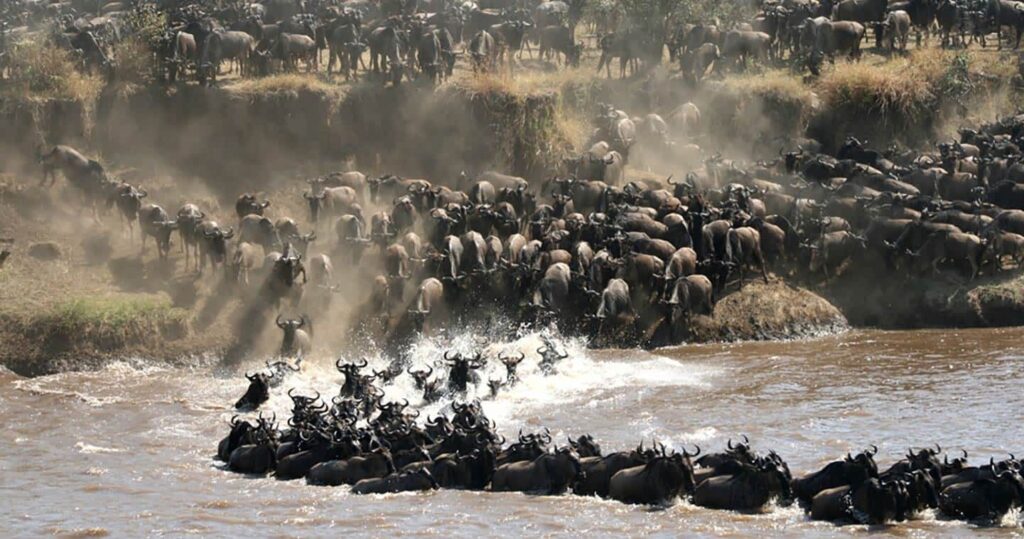
Its enormous grasslands support large populations of lions, leopards, cheetahs, elephants, giraffes, buffalo, zebras and antelopes. The park is also internationally famous for the Great Wildebeest Migration, when millions of wildebeest, zebras and other grazing animals move across the Serengeti ecosystem.
A Serengeti safari is primarily focused on game drives, but it can easily be incorporated into a wider hiking and adventure itinerary.
After several days of wildlife viewing, travelers can continue towards the Ngorongoro highlands for hiking and walking experiences.
2. Ngorongoro Conservation Area
The Ngorongoro Conservation Area is one of the best destinations in Tanzania for combining wildlife with hiking.
The famous Ngorongoro Crater offers exceptional wildlife viewing, with opportunities to see lions, elephants, buffalo, hippos, flamingos, zebras and other wildlife during a crater game drive.
However, the surrounding highlands provide a completely different experience.
Travelers can explore areas such as Empakaai Crater and Olmoti Crater on guided walking excursions. These hikes offer spectacular scenery, forests, volcanic landscapes and opportunities to experience the Maasai communities living within the conservation area.
A typical experience might involve a morning crater hike followed by a cultural visit or overnight camping in the highlands.
3. Mount Kilimanjaro
No discussion of hiking in Tanzania is complete without Mount Kilimanjaro.
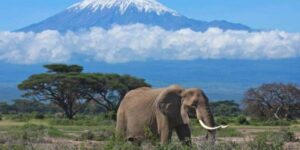
At approximately 5,895 metres above sea level, Kilimanjaro is Africa’s highest mountain and one of the world’s most recognizable trekking destinations.
A Kilimanjaro climb takes several days and passes through a series of different ecological zones, from cultivated land and rainforest to moorland, alpine desert and the high-altitude summit zone.
Popular routes include:
- Machame Route
- Marangu Route
- Lemosho Route
- Rongai Route
- Northern Circuit Route
The ideal route and number of trekking days depend on your fitness, experience, available time and preference for acclimatization.
For travelers who want to combine mountain trekking with wildlife, a popular itinerary is:
Kilimanjaro → Arusha → Tarangire → Ngorongoro → Serengeti
4. Mount Meru
Mount Meru is located close to Arusha and is an excellent hiking destination for travelers who want a challenging mountain experience without committing to a full Kilimanjaro expedition.
The mountain rises to approximately 4,566 metres and offers spectacular views of the surrounding landscape.
A Mount Meru trek passes through forest and mountain environments and provides opportunities to encounter wildlife along the lower slopes.
Mount Meru can be booked as a standalone trekking adventure or combined with a northern Tanzania safari.
It is also a popular option for travelers who want additional acclimatization before attempting Kilimanjaro.
5. Arusha National Park
Arusha National Park is one of the most convenient destinations for combining wildlife and hiking.
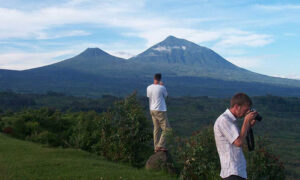
Located close to Arusha, the park features forests, lakes, open grasslands and spectacular views of Mount Meru.
Unlike a traditional safari that relies heavily on vehicle-based game viewing, Arusha National Park offers opportunities for guided walking experiences and nature exploration.
Wildlife in the park can include giraffes, buffaloes, zebras, warthogs, monkeys and numerous bird species.
A visit to Arusha National Park is particularly suitable for travelers who have limited time but still want to experience both wildlife and walking.
6. Udzungwa Mountains National Park
Travelers looking for a more adventurous and less conventional hiking experience should consider the Udzungwa Mountains.
Located in southern Tanzania, Udzungwa is known for its forests, mountains, waterfalls and biodiversity.
One of the most popular hiking experiences is the trail to Sanje Waterfalls, where visitors can enjoy spectacular views and forest scenery.
Udzungwa is particularly attractive for travelers combining hiking with a southern Tanzania wildlife safari.
A longer itinerary can combine:
Nyerere National Park → Udzungwa Mountains → Ruaha National Park
This route provides a fantastic combination of wildlife, hiking and wilderness.
7. Lake Natron and Ol Doinyo Lengai
Lake Natron is one of Tanzania’s most unusual adventure destinations.
The landscape around the lake is dominated by dramatic volcanic scenery, and the area is particularly famous for views of Ol Doinyo Lengai, an active volcano.
Visitors can combine walks around the Lake Natron area with cultural experiences and, for experienced hikers, a demanding ascent of Ol Doinyo Lengai.
This destination is ideal for travelers looking for something beyond the traditional northern safari circuit.
Best Tanzania Wildlife and Hiking Safari Combinations
One of the biggest advantages of traveling in Tanzania is the ability to combine several destinations into one itinerary.
Wildlife and Short Hiking Safari
For travelers with limited time, consider:
Arusha – Tarangire – Ngorongoro – Empakaai/Olmoti – Serengeti
This itinerary combines classic wildlife viewing with short hiking experiences.
Mount Meru and Wildlife Safari
A longer adventure could include:
Arusha – Mount Meru – Tarangire – Ngorongoro – Serengeti
This is an excellent option for travelers who want to climb a mountain while still enjoying Tanzania’s famous wildlife destinations.
Kilimanjaro and Serengeti Safari
For the ultimate northern Tanzania adventure:
Mount Kilimanjaro – Arusha – Tarangire – Ngorongoro – Serengeti
Spend several days trekking Kilimanjaro before relaxing on a wildlife safari through northern Tanzania.
Southern Tanzania Wildlife and Hiking Safari
For travelers seeking a quieter and more adventurous experience:
Dar es Salaam – Nyerere – Udzungwa – Ruaha
This itinerary combines wildlife, hiking, forests, rivers, waterfalls and some of Tanzania’s most remote landscapes.
Tanzania Hiking Safaris for Active Travelers
A hiking safari is ideal for travelers who want to remain active during their holiday.
Instead of spending every day inside a safari vehicle, you can include several walking experiences throughout your itinerary.
For example:
Day 1: Arusha arrival
Day 2: Arusha National Park walking safari
Day 3: Tarangire game drive
Day 4: Ngorongoro Highlands hike
Day 5: Ngorongoro Crater game drive
Day 6: Serengeti safari
Day 7: Serengeti game drive
Day 8: Return to Arusha
This style of itinerary offers a good balance between adventure and relaxation.
Wildlife You Can See on a Tanzania Safari
Tanzania is home to an extraordinary variety of wildlife.
Depending on your itinerary, you may encounter:
- Lions
- Leopards
- Cheetahs
- Elephants
- African buffalo
- Giraffes
- Zebras
- Wildebeest
- Hippos
- Hyenas
- Warthogs
- Gazelles
- Monkeys
- Baboons
- Flamingos
- Hundreds of bird species
The Big Five—lion, leopard, elephant, buffalo and rhinoceros—are among the most sought-after animals on safari.
The best wildlife experience depends heavily on the season, location and type of safari you choose.
Cultural Experiences on a Hiking Safari
Hiking in Tanzania can also provide opportunities to interact with local communities.
The Ngorongoro highlands, for example, are home to Maasai communities, while areas around Lake Eyasi provide opportunities to learn about the traditional lifestyles of the Hadzabe and Datoga peoples.
Combining hiking with cultural experiences provides a deeper understanding of Tanzania beyond its wildlife and landscapes.
When Is the Best Time for a Tanzania Wildlife and Hiking Safari?
Tanzania can be visited throughout the year, but different seasons offer different advantages.
June to October
This is one of the most popular periods for wildlife safaris. The weather is generally dry, vegetation is lower in many wildlife areas and animals are easier to spot.
It is also a popular period for Mount Kilimanjaro trekking.
November to February
The short rains and green season bring fresh vegetation and beautiful landscapes.
This period can be excellent for photography, bird watching and wildlife viewing. It also coincides with the wildebeest calving season in the Serengeti ecosystem.
March to May
The long rains make this a quieter travel period in many parts of Tanzania.
The landscapes become exceptionally green and some hiking experiences can be particularly scenic, although wet conditions may affect some trails and roads.
What to Pack for a Tanzania Hiking and Wildlife Safari
Packing depends on whether you are doing short walks or a multi-day mountain trek.
For a general wildlife and hiking safari, consider:
- Lightweight hiking shoes
- Comfortable walking trousers
- Long-sleeved shirts
- Hat and sunglasses
- Sunscreen
- Insect repellent
- Reusable water bottle
- Small daypack
- Binoculars
- Camera
- Waterproof jacket
- Warm clothing for highland areas
- Personal medication
- Headlamp for camping or trekking
If climbing Kilimanjaro or Mount Meru, additional specialist trekking equipment will be required.
Tanzania Wildlife and Hiking Safaris with a 4×4
For travelers who want greater flexibility, a 4×4 safari vehicle can be an excellent way to explore Tanzania.
A 4×4 allows you to travel between wildlife parks, hiking destinations and remote areas while maintaining flexibility over your itinerary.
Self-drive travelers can combine vehicle-based exploration with guided hiking experiences where park regulations require an authorized guide or ranger.
A typical self-drive adventure might include:
Arusha → Tarangire → Ngorongoro → Serengeti → Lake Natron → Arusha
For longer adventures, travelers can explore southern Tanzania by combining Nyerere, Udzungwa and Ruaha.
Guided or Self-Drive Wildlife and Hiking Safari?
Both options have advantages.
Guided Safari
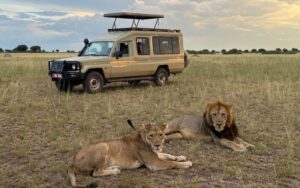
A guided safari is ideal if you want an experienced driver-guide handling navigation, wildlife spotting, park procedures and logistics.
Self-Drive Safari
Self-drive is ideal for independent travelers who value flexibility and adventure.
With a properly equipped 4×4, travelers can explore Tanzania at their own pace and combine wildlife destinations with pre-arranged hiking activities and guided walks.
For remote routes, good preparation is essential, including route planning, fuel management, communication equipment and understanding park regulations.
How Long Do You Need?
The ideal duration depends on how much hiking and wildlife viewing you want.
4–5 days: Short wildlife and hiking experience around Arusha, Tarangire and Ngorongoro.
7–10 days: Excellent combination of northern Tanzania wildlife and hiking.
10–14 days: Ideal for combining Mount Meru or another multi-day trek with a safari.
14+ days: Suitable for Kilimanjaro plus an extended Serengeti, Ngorongoro and southern Tanzania adventure.
Why Book a Tanzania Wildlife and Hiking Safari?
A Tanzania wildlife and hiking safari offers more than a traditional game-viewing holiday. It combines the country’s most famous wildlife areas with mountains, forests, volcanic landscapes, waterfalls and cultural experiences.
Whether your dream is to climb Mount Kilimanjaro, hike Mount Meru, explore the Ngorongoro Highlands, walk through Udzungwa forests or watch the Great Migration in the Serengeti, Tanzania provides the perfect setting for an unforgettable active safari.
Our Tanzania wildlife and hiking safaris can be customized around your interests, travel dates, fitness level, budget and preferred travel style.
Start planning your Tanzania wildlife and hiking adventure today and experience the best of Tanzania on foot and on safari.
Frequently Asked Questions
Is Tanzania good for hiking and safari?
Yes. Tanzania is particularly well suited to combining wildlife safaris with hiking. Travelers can combine destinations such as Serengeti and Ngorongoro with Mount Meru, Kilimanjaro, Arusha National Park, Udzungwa or Lake Natron.
Can I combine Kilimanjaro with a safari?
Absolutely. Kilimanjaro can be combined with Tarangire, Ngorongoro and Serengeti for a complete northern Tanzania adventure.
Can I go hiking in Ngorongoro?
Yes. The Ngorongoro highlands offer several guided walking and hiking opportunities, including experiences around volcanic craters and highland landscapes. Specific hikes depend on current regulations and local arrangements.
What is the best mountain to hike in Tanzania?
Mount Kilimanjaro is the country’s most famous mountain trek, while Mount Meru is an excellent alternative for travelers looking for a shorter and less crowded mountain experience.
Can I do a self-drive wildlife and hiking safari in Tanzania?
Yes. You can self-drive between many destinations and arrange guided hikes or walking activities where required. A suitable 4×4, careful planning and knowledge of park regulations are important.
What is the best time for a Tanzania wildlife safari?
June to October is generally popular for dry-season wildlife viewing, while November to February offers green landscapes, birdlife and the famous wildebeest calving period in the Serengeti ecosystem.
How many days do I need for a Tanzania hiking and wildlife safari?
A 7–10 day itinerary provides a good balance between hiking and wildlife. Travelers adding Kilimanjaro should generally allow additional days for the mountain trek and recovery before starting a safari.