
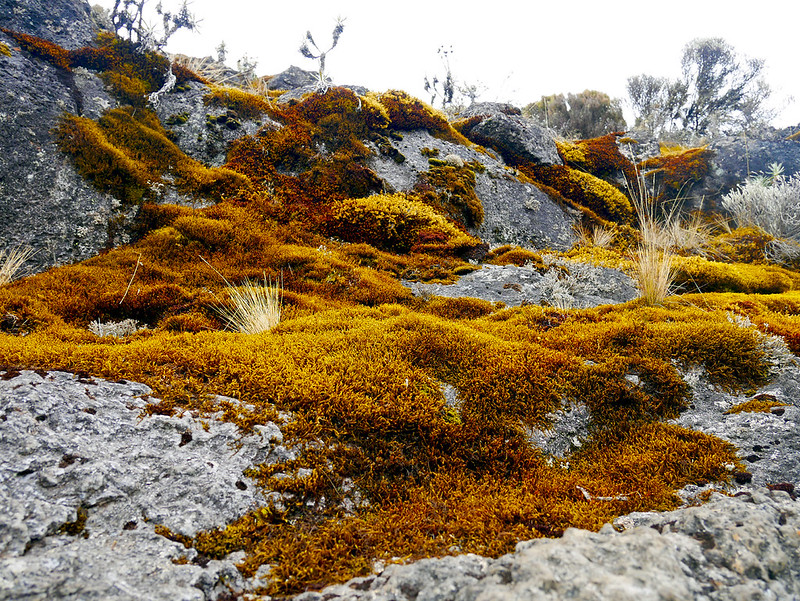
Moorland Zone of Mount Kilimanjaro: Exploring the Mountain’s Unique High-Altitude Landscapes
The Moorland Zone of Mount Kilimanjaro is one of the most fascinating ecological environments encountered during a Mount Kilimanjaro hiking adventure. Located above the tropical rainforest, this remarkable landscape introduces climbers to open mountain vegetation, giant groundsels, unusual lobelias, rocky hillsides and spectacular panoramic views.
Generally extending from approximately 2,800 to 4,000 metres above sea level, the moorland zone represents an important transition between the dense montane rainforest and the dry alpine desert environment.
As hikers gain altitude, the tall forest trees gradually disappear, giving way to open vegetation and distinctive high-altitude plants adapted to colder temperatures, strong sunlight and changing weather conditions.
The moorland is particularly beautiful because of its unusual vegetation, expansive mountain scenery and opportunities to experience the unique biodiversity of Africa’s highest mountain.
1. Understanding the Moorland Zone of Mount Kilimanjaro
The moorland zone is located above the montane rainforest and forms part of the mountain’s distinctive ecological transition.
Unlike the lower rainforest, where dense trees and thick vegetation dominate the landscape, the moorland features open grasslands, shrubs, giant heathers and specialised mountain plants.
The environment is characterised by:
- Open mountain landscapes and rolling hills.
- Giant groundsels and lobelias.
- Giant heather vegetation.
- Rocky trails and exposed mountain ridges.
- Cooler temperatures and changing weather conditions.
- Beautiful views of surrounding mountain landscapes.
The vegetation is specially adapted to survive considerable temperature fluctuations, strong ultraviolet radiation and periods of limited moisture.
2. Giant Groundsels: The Iconic Plants of Kilimanjaro
One of the most distinctive features of the Kilimanjaro moorland is the presence of giant groundsels, particularly species belonging to the genus Dendrosenecio.
These unusual plants are among the most recognisable botanical attractions on the mountain.
Their tall stems and large clusters of leaves create an almost prehistoric appearance, making them particularly fascinating to hikers and nature photographers.
Giant groundsels have developed special adaptations to survive the challenging high-altitude environment. Their leaves can help protect growing tissues against cold temperatures, while their growth forms allow them to thrive in exposed mountain habitats.
During your hike, you may encounter these remarkable plants along the mountain trails, particularly in the higher moorland areas.
3. Giant Lobelias and Other Unique Mountain Vegetation
Another interesting feature of the moorland zone is the presence of giant lobelias.
These unusual plants are particularly adapted to the cold conditions found at high elevations.
Their distinctive rosette-shaped leaves and tall flower spikes make them an important part of Kilimanjaro’s high-altitude botanical environment.
Other vegetation includes:
- Giant heather.
- Everlasting flowers.
- Alpine grasses.
- Mountain shrubs.
- Mosses and lichens.
- Various high-altitude flowering plants.
The diversity of vegetation makes the moorland an interesting destination for nature lovers, botanists and photographers.
4. Wildlife in the Kilimanjaro Moorland Zone
Although the moorland supports fewer large animals than the lower forest, it remains an important habitat for several wildlife species.
Depending on the location and conditions, hikers may encounter:
- Rock hyraxes.
- Various high-altitude rodents.
- Chameleons in suitable habitats.
- Raptors and other mountain birds.
- Alpine-dwelling insects.
Birdwatchers may also observe species adapted to the mountain’s open habitats.
Wildlife sightings are not guaranteed, but the moorland provides an opportunity to appreciate how animals and plants survive in increasingly challenging mountain environments.
5. The Hiking Experience in the Moorland Zone
The transition from rainforest to moorland is one of the most exciting moments of climbing Kilimanjaro.
After walking through dense forest vegetation, hikers emerge into more open landscapes where the surrounding mountain scenery becomes increasingly visible.
The trails generally pass through open heathland, rocky terrain and areas of distinctive mountain vegetation.
The hiking experience includes:
- Gradual ascents through open mountain landscapes.
- Opportunities to photograph giant groundsels and lobelias.
- Panoramic views of Kilimanjaro’s slopes.
- Cooler temperatures compared with the lower rainforest.
- Exposure to changing weather and stronger sunlight.
The moorland can be physically demanding because of the increasing altitude, even where the trail itself is not technically difficult.
Hikers should maintain a slow walking pace, drink sufficient water and follow their mountain guide’s recommendations.
6. Famous Moorland Landscapes Along Kilimanjaro’s Hiking Routes
Several established climbing routes pass through spectacular sections of the moorland zone.
Machame Route: The route passes through beautiful moorland landscapes after leaving the rainforest, with spectacular views towards the Shira Plateau and surrounding mountain ridges.
Lemosho Route: Offers opportunities to experience the open moorland landscapes around the Shira Plateau, with impressive volcanic scenery and unusual high-altitude vegetation.
Marangu Route: Climbers encounter the transition from forest to heath and moorland as they ascend towards Horombo Hut.
Rongai Route: The northern approach provides a different mountain perspective, with open vegetation and distinctive high-altitude landscapes.
Northern Circuit: Its longer itinerary provides opportunities to explore extensive areas of the mountain’s open high-altitude environments.
7. Shira Plateau: One of Kilimanjaro’s Most Beautiful Moorland Landscapes
The Shira Plateau is one of the most remarkable landscapes encountered during a Kilimanjaro climbing expedition.
Located on the western side of the mountain, this high-altitude plateau is characterised by open volcanic landscapes, rolling terrain and spectacular views of Kibo Peak.
The area offers excellent opportunities to appreciate the mountain’s unusual vegetation and dramatic geological history.
Depending on the route and itinerary, hikers can explore different sections of the plateau while enjoying views of the surrounding landscape.
The Shira Plateau is particularly important on the Lemosho and Machame approaches and forms one of the highlights of the western side of Kilimanjaro.
8. Weather and Climate in the Moorland Zone
The moorland environment is colder and more exposed than the lower rainforest.
Daytime temperatures can be relatively comfortable when the sun is shining, but temperatures can fall considerably during the night.
Weather conditions can change quickly, with strong winds, mist, rainfall and occasional frost.
Hikers should prepare for:
- Cooler daytime temperatures.
- Cold nights.
- Strong ultraviolet radiation.
- Occasional rainfall.
- Windy conditions in exposed areas.
Wearing suitable layered clothing is essential for remaining comfortable throughout the hike.
9. Best Time to Explore Kilimanjaro’s Moorland Zone
The moorland zone can be explored throughout the year as part of a mountain climbing expedition.
However, the relatively dry periods from January to March and June to October are generally popular for climbing.
During the rainy seasons, trails may become muddy, and visibility can be reduced by mist and clouds.
Regardless of the season, climbers should carry waterproof clothing, warm layers and appropriate hiking equipment.
10. Why the Moorland Zone Is Important to Kilimanjaro’s Ecosystem
The moorland is an important ecological environment that supports specialised plants and animals adapted to high-altitude conditions.
Its vegetation contributes to the mountain’s biodiversity and forms an important transition between the forest ecosystem and the alpine desert.
The giant groundsels and lobelias are particularly interesting examples of how plants adapt to extreme mountain environments.
The landscape also contributes to the scenic beauty and ecological significance of Kilimanjaro National Park.
11. Experience the Moorland Zone on Your Mount Kilimanjaro Hiking Adventure
Walking through the moorland zone is one of the most memorable experiences of climbing Mount Kilimanjaro.
From the unusual giant groundsels and lobelias to the spectacular views of volcanic ridges and open mountain landscapes, this section offers a completely different experience from the tropical rainforest below.
As you continue towards higher elevations, the vegetation gradually becomes shorter and less abundant, signalling the transition into the alpine desert zone.
Whether you choose the Machame, Lemosho, Marangu, Rongai or Northern Circuit route, the moorland provides a wonderful opportunity to discover the remarkable ecological diversity of Africa’s highest mountain.