
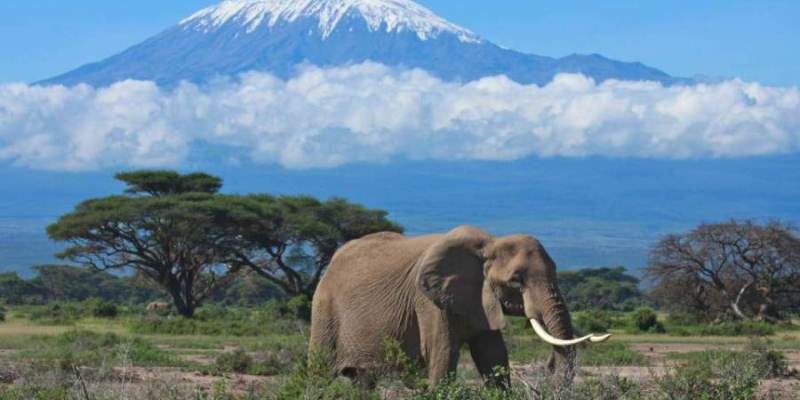
Arctic Summit Zone of Mount Kilimanjaro: Discover the Snow-Capped Roof of Africa
The Arctic Summit Zone of Mount Kilimanjaro is the highest and most extreme ecological environment encountered during a Mount Kilimanjaro hiking adventure. Located above approximately 5,000 metres above sea level, this extraordinary landscape represents the final stage of the journey towards Uhuru Peak, the highest point in Africa at 5,895 metres.
Unlike the tropical rainforest, moorland and alpine desert found lower on the mountain, the arctic summit zone is characterised by freezing temperatures, glaciers, ice formations, exposed volcanic rocks and extremely thin air.
This is where the mountain reveals its most dramatic scenery. Climbers encounter spectacular views of the remaining ice fields, the volcanic crater and the surrounding mountain landscape while approaching the summit.
Reaching this high-altitude environment is a major achievement, but it also represents the most physically demanding part of the expedition. The combination of low oxygen availability, freezing temperatures and steep trails requires determination, proper preparation and the support of experienced mountain guides.
For many travellers, standing at Uhuru Peak and witnessing the sunrise above Africa is the defining moment of their Kilimanjaro hiking adventure.
1. Understanding the Arctic Summit Zone of Mount Kilimanjaro
The arctic summit zone is the highest ecological environment on Mount Kilimanjaro, generally beginning above approximately 5,000 metres.
It is characterised by extreme environmental conditions that are very different from those found on the mountain’s lower slopes.
The main characteristics include:
- Extremely cold nighttime temperatures.
- Glaciers and permanent ice formations.
- Snow and occasional snowfall.
- Exposed volcanic rocks and loose scree.
- Very limited vegetation.
- Strong ultraviolet radiation.
- Low oxygen availability.
- Powerful winds and rapidly changing weather conditions.
The environment is particularly challenging because climbers must perform physical activities in air containing substantially less available oxygen than at sea level.
Although the summit zone is harsh, it offers some of the most spectacular mountain scenery in Tanzania.
2. Uhuru Peak: The Highest Point in Africa
Uhuru Peak is the highest point on Mount Kilimanjaro, standing at 5,895 metres above sea level.
Located on the Kibo volcanic cone, the summit is the ultimate destination for climbers attempting to reach the Roof of Africa.
The name “Uhuru” means freedom in Swahili, reflecting Tanzania’s history and independence.
Reaching the summit is an extraordinary personal achievement. After several days of hiking through different ecological zones, climbers finally arrive at the famous Uhuru Peak summit sign.
The experience is particularly memorable during sunrise, when the first sunlight illuminates the surrounding glaciers, crater landscapes and distant plains.
For many hikers, the emotional reward of reaching Uhuru Peak makes the physical challenges of the expedition worthwhile.
3. The Glaciers and Ice Fields of Mount Kilimanjaro
One of the most remarkable features of Kilimanjaro’s summit zone is its glaciers and ice formations.
The mountain is famous for its high-altitude ice fields, which have become an important part of its natural identity.
These glaciers are remnants of much larger ice formations that historically covered parts of the summit region.
However, Kilimanjaro’s glaciers have experienced significant long-term retreat, influenced by changing climatic conditions and local atmospheric processes.
Some of the best-known ice formations include:
Northern Ice Field: An extensive ice-covered area on the northern side of Kibo.
Furtwängler Glacier: A well-known glacier situated within the summit crater region.
Southern Ice Field: A collection of ice formations on the southern side of the summit area.
Eastern Ice Fields: Ice formations associated with the eastern sections of Kibo’s summit region.
The appearance and extent of these ice formations change over time, making Kilimanjaro an important location for observing high-altitude environmental change.
4. Kibo Crater: Exploring the Volcanic Summit of Kilimanjaro
Kibo is the highest of Mount Kilimanjaro’s three volcanic cones and contains the mountain’s summit.
The other two volcanic cones are Mawenzi and Shira.
Kibo’s summit region contains a large volcanic crater with dramatic geological formations and impressive views of the surrounding landscape.
Although Kilimanjaro is generally considered a dormant volcano, its volcanic origins remain visible in the summit area’s geological features.
The crater region includes volcanic rocks, ash deposits and other formations associated with the mountain’s geological history.
Climbers following established summit trails can enjoy spectacular views of the crater landscape, although access to specific areas depends on the route, safety conditions and park regulations.
5. Stella Point: A Major Milestone Before Uhuru Peak
Stella Point is one of the most important landmarks encountered during the final summit ascent.
Located at approximately 5,756 metres above sea level, it lies along the crater rim and marks a major milestone for climbers approaching Uhuru Peak from the southern routes.
After hours of climbing through darkness, reaching Stella Point is an emotional achievement.
Many climbers take a short break here to rest, photograph the sunrise and prepare for the final section towards Uhuru Peak.
From Stella Point, the trail continues along the crater rim towards the summit.
Although the remaining distance may appear relatively short, the altitude makes every step physically demanding.
6. The Summit Night Experience on Mount Kilimanjaro
The summit attempt is often the most challenging and memorable part of the entire expedition.
Depending on the route and itinerary, climbers usually leave their final base camp around midnight or during the early hours of the morning.
The objective is to reach the summit around sunrise.
The journey normally involves:
- Starting the ascent in darkness.
- Walking slowly under freezing conditions.
- Climbing steep volcanic scree and rocky trails.
- Taking regular breaks under the guidance of the mountain team.
- Reaching Stella Point or another designated summit approach.
- Continuing towards Uhuru Peak.
- Taking summit photographs before beginning the descent.
The summit night requires physical endurance, mental determination and careful monitoring by the mountain guides.
Climbers who experience serious altitude-related symptoms must not continue simply to reach the summit.
7. Wildlife and Vegetation in the Arctic Summit Zone
The extreme conditions of Kilimanjaro’s summit zone make it difficult for most plants and animals to survive.
Vegetation is extremely limited because of the cold temperatures, strong winds, intense solar radiation and lack of available moisture.
Unlike the rainforest and moorland zones, there are very few plants or large animals in this environment.
Some microorganisms and hardy life forms may survive in suitable sheltered habitats, but the summit landscape is largely dominated by rocks, ice and volcanic material.
This lack of vegetation makes the summit zone particularly different from the lush environments found at the mountain’s lower elevations.
8. Weather and Climate in the Arctic Summit Zone
The summit region experiences some of the coldest and most unpredictable conditions on Mount Kilimanjaro.
Temperatures can fall well below freezing, especially during nighttime and early-morning summit attempts.
Strong winds can make conditions feel even colder, while intense sunlight during the daytime increases exposure to ultraviolet radiation.
Climbers should prepare for:
- Freezing nighttime temperatures.
- Strong and sometimes icy winds.
- Snow and occasional ice.
- Intense ultraviolet radiation.
- Rapid changes in visibility.
- Very low oxygen availability.
Appropriate clothing and equipment are essential for a comfortable and safe summit attempt.
A high-quality insulated jacket, thermal base layers, waterproof outer clothing, warm gloves, insulated headwear and suitable hiking boots are particularly important.
9. Safety and Altitude Challenges at the Summit
The summit region is where altitude-related challenges become particularly significant.
At 5,895 metres, the reduced oxygen availability makes physical exertion considerably more demanding.
Altitude sickness can affect climbers regardless of their age, physical fitness or previous hiking experience.
Possible symptoms include:
- Headaches.
- Nausea.
- Dizziness.
- Loss of appetite.
- Unusual fatigue.
- Difficulty sleeping.
Severe symptoms such as confusion, difficulty walking straight or breathlessness at rest require immediate descent and emergency medical attention.
To improve safety:
- Choose an itinerary with adequate acclimatisation days.
- Walk slowly and follow the principle of “pole pole”.
- Stay hydrated.
- Inform your guide about any unusual symptoms.
- Follow the mountain team’s instructions.
- Descend immediately if serious altitude sickness is suspected.
Climbers should also protect themselves against extreme cold and strong ultraviolet radiation.
10. Essential Equipment for the Kilimanjaro Summit
The summit attempt requires additional equipment because temperatures are significantly colder than those experienced in the lower mountain zones.
Important items include:
Thermal Clothing
- Thermal base layers.
- Insulated down jacket.
- Waterproof and windproof outer jacket.
- Warm hiking trousers.
- Thermal socks.
Cold Weather Protection
- Insulated gloves or mittens.
- Warm winter hat.
- Neck gaiter or balaclava.
- Face protection where necessary.
Hiking Equipment
- Insulated or suitable high-altitude hiking boots.
- Trekking poles.
- Headlamp with spare batteries.
- Sunglasses with appropriate UV protection.
- Water bottles with protection against freezing.
- Small summit daypack.
Your climbing operator should provide a detailed equipment checklist before the expedition.
11. Best Time to Experience the Arctic Summit Zone
The summit can be attempted throughout the year, although the weather conditions vary considerably.
The main climbing seasons generally include:
January to March: A popular period with generally favourable trekking conditions, although the summit can be cold and snowfall is possible.
June to October: Another popular climbing period, generally associated with drier weather and good trekking opportunities.
November to December: The short rainy season can bring variable conditions.
April to May: The long rainy season generally makes climbing conditions less favourable.
Regardless of the month, the summit region can experience freezing temperatures, snow and strong winds.
12. Why the Arctic Summit Zone Is the Highlight of Kilimanjaro
The arctic summit zone represents the ultimate achievement of a Mount Kilimanjaro hiking expedition.
After travelling through the cultivated foothills, tropical rainforest, open moorland and rugged alpine desert, climbers finally reach the mountain’s highest environment.
The glaciers, volcanic crater, icy summit trails and spectacular sunrise views create an extraordinary experience.
Standing at Uhuru Peak at 5,895 metres is more than simply reaching a geographical landmark. It represents days of preparation, determination, teamwork and personal achievement.
For many travellers, this moment becomes one of the most unforgettable memories of their African adventure.
13. Experience the Arctic Summit Zone on Your Mount Kilimanjaro Hiking Adventure
Climbing through the arctic summit zone is the final stage of an extraordinary journey towards the Roof of Africa.
From the freezing summit trails to the spectacular glaciers and the famous Uhuru Peak sign, this environment offers a unique perspective of Tanzania’s most iconic mountain.
Whether you choose the Machame, Lemosho, Marangu, Rongai or Northern Circuit route, reaching the summit is an unforgettable experience that rewards determination and careful preparation.