
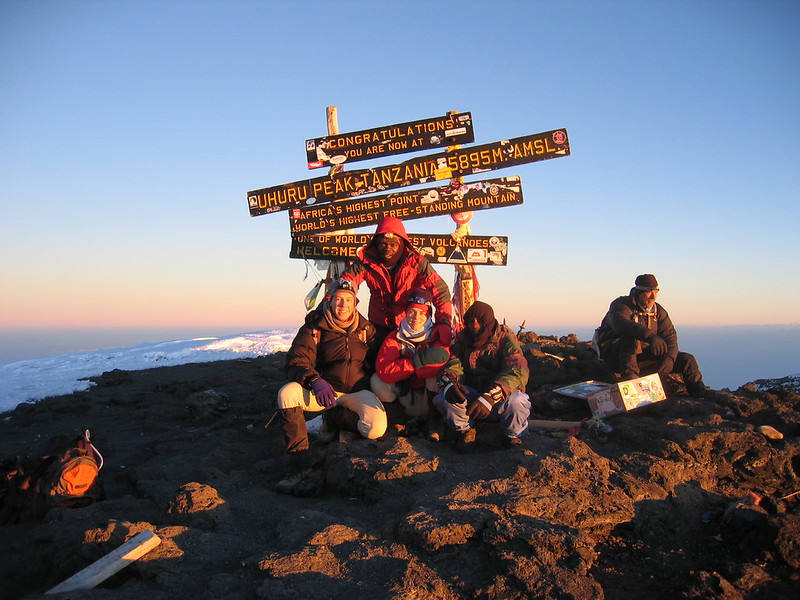
Kibo Cone of Mount Kilimanjaro: Exploring the Highest Volcanic Peak in Africa
Introduction: Discovering Kibo Cone on Mount Kilimanjaro
Kibo is the highest and central volcanic cone of Mount Kilimanjaro, the tallest mountain in Africa. Rising to 5,895 metres above sea level, Kibo is home to Uhuru Peak, the highest geographical point on the African continent.
Mount Kilimanjaro is a massive volcanic formation consisting of three major volcanic cones: Kibo, Mawenzi and Shira. These volcanic centres developed during different periods of geological activity, eventually forming the spectacular mountain landscape visible today.
Among the three cones, Kibo is the most prominent because of its impressive elevation, broad summit and relatively smooth volcanic profile. Its summit contains a large crater complex, volcanic formations, fumarolic activity and remaining glaciers that contribute to its distinctive appearance.
Kibo is the ultimate destination for most people undertaking a Mount Kilimanjaro climbing adventure. Climbers following routes such as Machame, Lemosho, Marangu, Rongai and the Northern Circuit eventually make their way towards its summit.
1. Where Is Kibo Cone Located?
Kibo is situated at the centre of Mount Kilimanjaro, between the rugged Mawenzi volcanic cone to the east and the older Shira volcanic formation to the west.
It forms the highest section of the mountain and dominates the surrounding volcanic landscape. Its broad, elongated summit is visible from different parts of northern Tanzania and, under favourable weather conditions, from neighbouring Kenya.
The summit of Kibo is characterised by a large volcanic caldera containing several younger crater formations. Its southern crater rim rises to Uhuru Peak, which marks the highest point of Kilimanjaro.
The geographical position of Kibo makes it the principal focus of mountain climbing expeditions. Although climbers can admire Mawenzi and Shira along different routes, reaching the summit of Kibo is the main objective of a standard Kilimanjaro climb.
2. The Geological Formation of Kibo
Kibo developed through successive periods of volcanic activity associated with the geological processes of the East African Rift System.
Over geological time, volcanic eruptions deposited layers of lava, ash and other volcanic materials, gradually building the central volcanic structure. Later eruptions and changes within the volcano helped shape its summit and surrounding slopes.
Kibo is classified as a stratovolcano, a type of volcano built from successive deposits of lava and other erupted material. Its broad summit contains a large caldera formed through volcanic collapse.
Although Kibo is generally described as dormant, it has not experienced a known historical eruption. The Smithsonian Institution’s Global Volcanism Program records its last known volcanic activity in the Pleistocene.
Fumaroles, or openings through which volcanic gases and steam escape, have been observed in the summit crater area. These features indicate residual geothermal activity beneath the mountain.
Kibo’s geological history is particularly interesting because its summit contains younger volcanic features within the much older caldera structure.
3. Kibo Crater: Exploring the Summit Caldera
One of the most remarkable geological features of Kibo is its summit crater. This large volcanic depression is approximately 2–3 kilometres across and contains several nested crater formations.
The crater complex provides evidence of the volcanic processes that shaped the highest part of Kilimanjaro.
Within the summit area, visitors can find several important geological features, including Reusch Crater and the Inner Ash Pit.
Reusch Crater
Reusch Crater is an important feature within Kibo’s summit complex. It is associated with the inner crater formations and volcanic activity that shaped the summit landscape.
The crater provides a fascinating example of how later volcanic processes modified the older caldera.
Inner Ash Pit
The Inner Ash Pit is a prominent volcanic depression within the summit crater area. It is characterised by loose volcanic ash and other deposits.
The feature is of particular geological interest because it lies within the younger nested crater system at the summit.
Fumaroles and Geothermal Activity
Fumaroles are openings in the ground through which volcanic gases and steam escape. Several fumarolic areas have been documented within Kibo’s summit crater complex.
These features are evidence of residual geothermal activity, although they do not mean that an eruption is imminent.
4. Uhuru Peak: The Highest Point of Kibo
Uhuru Peak stands at 5,895 metres above sea level and is the highest point of Kibo and the entire African continent.
Located on the southern rim of Kibo’s summit crater, Uhuru Peak is the main destination for climbers undertaking a Mount Kilimanjaro expedition.
The name Uhuru means freedom in Swahili. It is associated with Tanzania’s independence and gives the summit a special cultural significance.
The final climb towards Uhuru Peak is one of the most demanding stages of the expedition. Most routes involve a nighttime ascent, with climbers starting from high-altitude camps and progressing slowly towards the summit.
As the sun rises, climbers approaching Stella Point and Uhuru Peak may experience spectacular views across the mountain’s crater rim and surrounding landscapes.
Standing at Uhuru Peak is a major achievement for adventure travellers and represents the completion of a journey through Kilimanjaro’s different climatic and ecological zones.
5. Stella Point: An Important Summit Landmark
Stella Point is another important geographical feature on Kibo’s summit rim. It stands at approximately 5,756 metres above sea level and is one of the main access points to the final section of the summit.
Climbers approaching from routes such as Machame, Lemosho and Rongai may reach Stella Point before continuing towards Uhuru Peak.
The location provides impressive views of the crater landscape, surrounding glaciers and the high-altitude volcanic terrain.
For many trekkers, reaching Stella Point is an emotional moment because it marks significant progress towards the highest point in Africa.
6. Glaciers and Ice Formations on Kibo
Kibo is famous for its summit glaciers and ice formations, which have historically contributed to the mountain’s iconic snow-capped appearance.
Some of the best-known ice formations include the Furtwängler Glacier, Rebmann Glacier and other remaining summit icefields.
These glaciers are important features of Kilimanjaro’s high-altitude environment. However, they have experienced substantial retreat over recent decades due to changing climatic conditions and other environmental factors.
Although visitors may still encounter ice and snow near the summit, the amount and distribution vary with season and weather conditions.
The remaining glaciers are among the most photographed natural features of Kibo and provide an important reminder of the environmental changes affecting high-altitude mountain ecosystems.
7. The Kibo–Mawenzi Saddle
Between Kibo and Mawenzi lies a high-altitude landscape known as the Saddle Plateau.
Situated at approximately 4,400 metres above sea level, this broad volcanic plain creates a natural connection between the two major cones.
The Saddle is characterised by exposed volcanic terrain, sparse alpine vegetation and expansive views of the surrounding mountain formations.
Trekkers using the Marangu and Rongai routes may cross or view sections of this area during their ascent towards Kibo.
The contrast between the smooth slopes of Kibo and the rugged peaks of Mawenzi makes the Saddle one of the most interesting geographical features of Kilimanjaro.
8. Which Kilimanjaro Routes Lead to Kibo Summit?
All standard Kilimanjaro summit routes ultimately approach Kibo because Uhuru Peak is located on its summit rim.
However, each route offers a different perspective of the mountain and a different climbing experience.
Machame Route: Approaches Kibo from the southern side and is known for its varied landscapes, scenic ridges and the Barranco Wall.
Lemosho Route: Begins on the western side of the mountain, crossing the beautiful Shira Plateau before joining the southern circuit towards Kibo.
Marangu Route: Approaches from the southeastern side and is the only standard route with mountain hut accommodation throughout the climb.
Rongai Route: Approaches from the northern side near the Kenyan border, offering different views of Mawenzi and the mountain’s northern slopes.
Northern Circuit Route: Takes a longer route around the mountain, providing excellent opportunities to appreciate Kibo from different directions before the summit attempt.
Choosing the right route depends on the number of available days, fitness level, budget, preferred scenery and acclimatisation requirements.
9. Climate and Environmental Conditions Around Kibo
Kibo lies within the highest climatic environments of Mount Kilimanjaro. As climbers approach the summit, temperatures become increasingly cold, vegetation disappears and the amount of available oxygen decreases.
The upper slopes are characterised by exposed volcanic terrain, strong sunlight, cold nights and potentially severe wind conditions.
Near the summit, temperatures can fall well below freezing, especially during nighttime climbing.
These conditions require careful preparation. Trekkers should carry warm clothing, insulated gloves, suitable footwear, head protection and other essential mountain equipment.
Acclimatisation is also extremely important. A gradual ascent allows the body more time to adjust to the reduced oxygen availability at higher elevations.
10. Can Visitors Explore Kibo Crater?
Most climbers who reach the summit experience the outer crater rim, including the route towards Uhuru Peak. However, visiting the inner crater area is a different experience from a standard summit trek.
Specialised crater visits and overnight stays require additional planning, appropriate authorisation and professional mountain support.
Visitors interested in exploring the crater environment should consult their licensed mountain operator and the relevant park authorities before making arrangements.
The crater landscape is particularly interesting for travellers interested in geology, volcanic formations and the natural history of Kilimanjaro.
Experience Kibo Cone on a Mount Kilimanjaro Hiking Adventure
Kibo is the most famous of Kilimanjaro’s three volcanic cones and the ultimate destination for climbers seeking to reach the highest point in Africa.
From its broad volcanic summit and fascinating crater formations to its remaining glaciers and the spectacular Uhuru Peak, Kibo offers an extraordinary combination of geological history and high-altitude adventure.
Whether you choose the Machame, Lemosho, Marangu, Rongai or Northern Circuit route, your journey towards Kibo will take you through some of the most remarkable mountain landscapes in East Africa.
Start planning your Mount Kilimanjaro hiking adventure and discover the volcanic beauty of Kibo. Contact our team to explore climbing routes, compare itineraries and prepare for your journey to Uhuru Peak.
Book your Kilimanjaro climbing experience and stand on the Roof of Africa.
Frequently Asked Questions About Kibo Cone
1. What is Kibo Cone on Mount Kilimanjaro?
Kibo is the central and highest volcanic cone of Mount Kilimanjaro. It reaches 5,895 metres at Uhuru Peak, the highest point in Africa.
2. Is Kibo an active or dormant volcano?
Kibo is generally classified as dormant. It has no known historical eruptions, although fumarolic activity has been observed within its summit crater.
3. What is the difference between Kibo and Uhuru Peak?
Kibo is the entire central volcanic cone, while Uhuru Peak is the highest point on its southern summit rim.
4. How high is Kibo Cone?
The highest point of Kibo, Uhuru Peak, is 5,895 metres above sea level.
5. Can tourists visit Kibo Crater?
The outer summit crater rim is reached during standard summit climbs. Exploring the inner crater requires specialised arrangements and appropriate authorisation.
6. What are the three volcanic cones of Kilimanjaro?
The three major volcanic cones are Kibo, Mawenzi and Shira. Kibo is the highest, Mawenzi is known for its rugged peaks, and Shira is the oldest and most eroded.
7. Which route is best for climbing Kibo?
Machame, Lemosho, Marangu, Rongai and Northern Circuit are among the established routes used to reach Uhuru Peak on Kibo. The best choice depends on available time, experience and acclimatisation needs.