
Ndutu vs Southern Serengeti: Differences, Wildebeest Calving and Safari Guide
Introduction: Is Ndutu the Same as the Southern Serengeti?
Ndutu and the Southern Serengeti are closely connected wildlife destinations in northern Tanzania, but they are not exactly the same place. Both are associated with the Great Wildebeest Migration, one of Africa’s most remarkable wildlife spectacles, during which migrating herds travel across the Serengeti ecosystem in search of fresh grass and water.
The main difference between Ndutu and the Southern Serengeti is geographical and administrative. Ndutu is a specific area near the boundary between the Ngorongoro Conservation Area and Serengeti National Park. The Southern Serengeti refers more broadly to the southern part of Serengeti National Park, although safari operators sometimes use the term more loosely to describe the surrounding southern wildlife region.
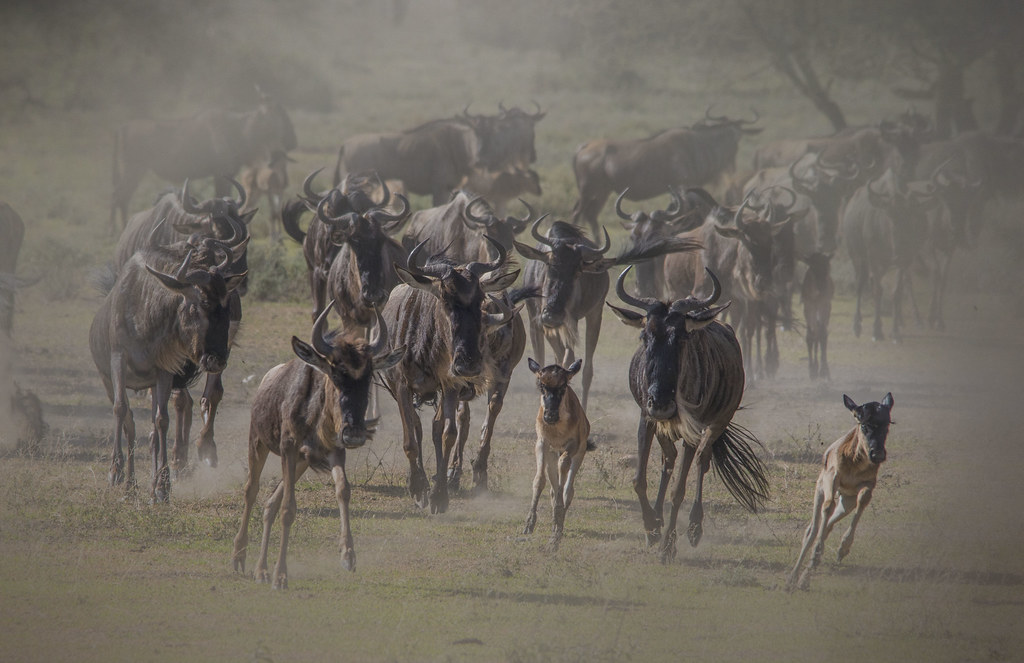
Ndutu is particularly famous for wildebeest calving season, which generally takes place between January and March. During this period, large herds gather across the southern plains, and visitors may witness newborn calves, grazing wildebeest and predators following the seasonal abundance of prey.
If you are planning a Tanzania safari, understanding the difference between Ndutu and the Southern Serengeti will help you select the right destination, choose suitable accommodation and budget for the correct park or conservation-area fees.
1. What Is Ndutu in Tanzania?
Ndutu is a well-known wildlife destination within the wider Serengeti–Ngorongoro ecosystem. Its open grasslands, seasonal water sources and surrounding woodlands attract migrating wildebeest, zebras, gazelles and numerous predators.
The area is best known for its role in the Great Wildebeest Migration calving season. Between January and March, many wildebeest gather across the southern plains to feed and give birth. February is often a particularly rewarding month for travelers hoping to see newborn calves.
Ndutu offers a different safari experience from the famous Mara River crossings in northern Serengeti. Instead of concentrating on river crossings, visitors can explore the seasonal grazing grounds where wildebeest raise their young and predators search for opportunities to hunt.
Why Visit Ndutu for a Wildebeest Safari?
- Wildebeest calving: Opportunities to see newborn calves during the main calving period.
- Large wildlife herds: Seasonal concentrations of wildebeest and other grazing animals.
- Predator sightings: Opportunities to observe lions, cheetahs and spotted hyenas.
- Wildlife photography: Open landscapes can provide excellent viewing and photographic conditions.
- Flexible safari combinations: Ndutu can be combined with other northern Tanzania destinations, depending on your route and travel dates.
For travelers whose main objective is to experience the calving stage of the Great Migration, Ndutu is one of the most important destinations to consider.
2. What Is the Southern Serengeti?
The Southern Serengeti refers to the southern region of Serengeti National Park. Its extensive grasslands form an important part of the Great Migration ecosystem, providing seasonal grazing for wildebeest, zebras and other herbivores.
The area’s wildlife distribution changes throughout the year. During the calving season, migrating herds may spread across the southern plains. As rainfall and grazing conditions change, many animals gradually move toward other parts of the Serengeti, including the central, western and northern regions.
The Southern Serengeti is also home to resident wildlife, including lions, cheetahs, hyenas, giraffes and numerous other species. Wildlife viewing depends on the location, season and prevailing environmental conditions.
When booking accommodation advertised as being in the Southern Serengeti, confirm its exact location. Some safari listings use this regional label for properties near Ndutu, even when the property is not inside Serengeti National Park.
3. Ndutu vs Southern Serengeti: Key Differences
The following comparison explains the main differences between Ndutu and the Southern Serengeti.
| Feature | Ndutu | Southern Serengeti |
|---|---|---|
| Geographic meaning | A specific area in the southern Serengeti–Ngorongoro ecosystem | The broader southern region of Serengeti National Park |
| Main attraction | Wildebeest calving season | Seasonal migration and general wildlife viewing |
| Best-known period | January–March | Depends on the migration and local wildlife conditions |
| Newborn wildebeest | Particularly well known for calving-season sightings | Also possible when herds occupy the southern plains |
| Wildlife experience | Large herds, calves and predator activity | Grassland wildlife and seasonal migration |
| Park and conservation fees | Depend on the exact location and route | Serengeti National Park fees apply when entering the park |
| Best for | Travelers prioritizing wildebeest calving | Travelers seeking a broader southern Serengeti experience |
The two destinations overlap ecologically, but their geographical and administrative descriptions are not interchangeable. The exact location of your accommodation and game drives determines which protected-area regulations and fees apply.
4. Why Is Ndutu Famous for Wildebeest Calving?
Ndutu’s importance comes from the seasonal grazing conditions across the southern plains. Rainfall encourages the growth of fresh, nutritious grass, attracting large numbers of migrating wildebeest.
This food is particularly important for pregnant females and mothers nursing newborn calves. Adequate nutrition supports their condition during late pregnancy and helps them produce milk after giving birth.
The main wildebeest calving season generally occurs between January and March, although the timing and distribution of births vary from year to year.
Newborn calves usually attempt to stand and move shortly after birth. They must keep close to their mothers and the herd as the animals continue moving across the plains.
The abundance of prey also attracts predators. Lions, cheetahs and spotted hyenas may be seen in the region, although individual sightings and hunting encounters cannot be guaranteed.
For wildlife photographers and safari enthusiasts, Ndutu provides an opportunity to observe a critical stage in the Great Migration’s annual cycle.
5. Where Does the Great Wildebeest Migration Take Place?
The Great Wildebeest Migration is not confined to Ndutu or the Southern Serengeti. It is a continuous seasonal movement across the wider Serengeti ecosystem in Tanzania and the Maasai Mara ecosystem in Kenya.
Wildebeest move in response to rainfall, fresh grazing and water availability. Different herds may follow different routes or reach particular areas at different times.
A broad seasonal pattern is:
- December–March: Many herds gather across the southern Serengeti and Ndutu region, with calving generally occurring from January to March.
- April–June: Herds may move through the central and western Serengeti as grazing conditions change.
- July–October: Parts of the northern Serengeti become important seasonal destinations, and some herds cross the Mara River into Kenya’s Maasai Mara.
- November–December: Seasonal rains may encourage herds to move back toward the southern grazing areas.
These are general guidelines rather than a fixed timetable. Rainfall can alter the timing, distribution and routes of the migrating animals.
If you are choosing between Ndutu and the Northern Serengeti, your travel dates should guide your decision. Ndutu is associated with calving season, while the northern region is known for seasonal herd concentrations and potential river crossings.
6. Best Time to Visit Ndutu and the Southern Serengeti
The best time to visit depends on the wildlife experience you want.
December: Early Seasonal Gathering
Rainfall may encourage wildebeest to gather across the southern plains. The location and size of the herds depend on recent weather conditions.
January: Wildebeest Calving Season
January can provide excellent opportunities to see migrating herds and newborn calves as calving activity develops across the southern ecosystem.
February: A Popular Month for Ndutu Safari
February is often one of the most rewarding months for a calving-focused safari. Visitors may see large herds, newborn wildebeest and predators searching for prey.
March: Continued Calving Opportunities
Calving-season wildlife viewing may continue into March, although changing rainfall and grazing conditions can influence herd distribution.
April Onward: Changing Wildlife Movements
Many herds gradually move toward other parts of the Serengeti ecosystem as conditions change. The Southern Serengeti can still offer wildlife viewing, but it is important to check where the migrating herds are expected to be.
SEO and booking tip: For travelers searching for the best time to see wildebeest calving in Tanzania, January and February are strong months to consider. Check current migration reports before confirming travel dates.
7. Is Ndutu Inside Serengeti National Park or the Ngorongoro Conservation Area?
Ndutu is located near the boundary between the Ngorongoro Conservation Area and Serengeti National Park. The wider wildlife region includes land managed under different protected-area systems.
This distinction matters because park entry charges, conservation-area fees, camping charges and permitted routes can differ.
Do not assume that every lodge or campsite marketed as being in Ndutu is inside the same protected area. Equally, do not assume that a safari to Ndutu automatically includes a visit to the Ngorongoro Crater.
Before booking, confirm:
- The precise location of your lodge, tented camp or campsite.
- Whether your game drives will take place in the Ngorongoro Conservation Area, Serengeti National Park or both.
- Which park or conservation fees are included in your quotation.
- Whether additional entry fees or transfers are required for your planned route.
Clear planning helps avoid unexpected expenses and ensures your safari matches your expectations.
8. Can You Visit Ndutu Without Visiting the Ngorongoro Crater?
Yes. You can arrange a safari focused on Ndutu without visiting the Ngorongoro Crater.
Although the two destinations are associated with the wider Ngorongoro region, they offer different wildlife experiences. Ndutu is especially famous for wildebeest calving, while the crater offers wildlife viewing within a dramatic volcanic landscape.
Travelers with limited time or a specific interest in the Great Migration may prefer to concentrate on Ndutu and spend more time exploring the plains.
If you want to combine Ndutu and the crater, your itinerary should account for travel time, game drives and the different entry requirements. Ask your safari operator to explain which fees are included.
9. How Many Days Should You Spend in Ndutu?
For a calving-season safari, two to three full days of game drives can provide a worthwhile opportunity to explore different parts of the area.
A longer stay may be useful for photographers and travelers who want flexibility to follow changing herd locations. Wildlife sightings can differ between morning and afternoon drives, so allowing enough time can improve your chances of seeing a variety of animals.
If you plan to combine Ndutu with the Ngorongoro Crater, Tarangire or other northern Tanzania destinations, allow sufficient time for road transfers as well as wildlife viewing.
The best itinerary is not necessarily the one that visits the most places. For a calving-focused safari, spending more time in the right area may be more rewarding than rushing between multiple destinations.
10. Guided Safari vs Self-Drive Safari in Ndutu
Both guided and self-drive safaris can provide access to the Ndutu region, but they suit different travel preferences.
Guided Ndutu Safari
A guided safari is a good choice if you want help with wildlife spotting, route planning, accommodation and park logistics. A knowledgeable guide can help you respond to changing wildlife movements and explain the ecosystem.
Self-Drive Ndutu Safari
A self-drive safari offers greater independence and control over your schedule. It can suit experienced travelers who are comfortable driving in remote wildlife areas.
A suitable 4×4 vehicle is strongly recommended, particularly when roads are muddy or conditions are difficult. Before departure, check road conditions, vehicle requirements, park rules and the fees applicable to your route.
If you are renting a vehicle, confirm that it is permitted for your intended safari areas and that your rental agreement covers your planned travel.
11. Frequently Asked Questions About Ndutu vs Southern Serengeti
Is Ndutu part of the Southern Serengeti?
Ndutu is often included in the broader Southern Serengeti safari region in tourism descriptions. However, the names do not refer to exactly the same geographical or administrative area.
Is Ndutu inside Serengeti National Park?
Ndutu lies near the boundary between the Ngorongoro Conservation Area and Serengeti National Park. The exact protected-area jurisdiction depends on the location, so check your accommodation and planned game-drive routes.
Which is better for wildebeest calving: Ndutu or Southern Serengeti?
Ndutu is one of the best-known destinations for calving-season wildlife viewing. The wider southern Serengeti ecosystem also supports calving herds, so the best location depends on where the animals are gathering during your visit.
What is the best month to visit Ndutu?
January and February are popular months for wildebeest calving. March can also provide excellent sightings, depending on rainfall and herd movements.
Can I visit Ndutu and the Ngorongoro Crater on the same safari?
Yes. You can combine both destinations, provided your itinerary allows enough time for travel and the required park or conservation fees.
Is Ndutu better than the Northern Serengeti?
Ndutu is especially associated with the calving season, while the Northern Serengeti is known for seasonal concentrations of wildebeest and potential Mara River crossings. Neither is universally better; your travel dates and wildlife interests should determine the choice.
Do I need a 4×4 to visit Ndutu?
A suitable 4×4 is strongly recommended, particularly during wet conditions. Confirm current road conditions and the requirements of your rental company or safari operator.
How can I check where the wildebeest are before booking?
Ask your safari operator for recent migration updates and check the latest reports from reliable local sources. The location of the herds changes with rainfall and grazing conditions, so historical patterns cannot guarantee future sightings.
Conclusion: Choose the Right Area for Your Tanzania Safari
Ndutu and the Southern Serengeti are closely connected destinations within the Great Migration ecosystem, but they are not exactly the same place. Ndutu is particularly famous for wildebeest calving, while the Southern Serengeti describes a broader region of grasslands and wildlife habitat.
If your main goal is to see newborn wildebeest, consider a Ndutu safari between January and March, with January and February often being strong choices. If you want a broader Serengeti experience, explore a longer itinerary that reflects the seasonal movement of the herds.
Before booking, confirm the location of your accommodation, the areas included in your game drives and the applicable fees.
Plan your Ndutu and Southern Serengeti safari with Graceland Adventurous. Discuss your travel dates, accommodation preferences, guided safari options or self-drive 4×4 requirements to create a Tanzania wildlife itinerary suited to your interests and budget.