
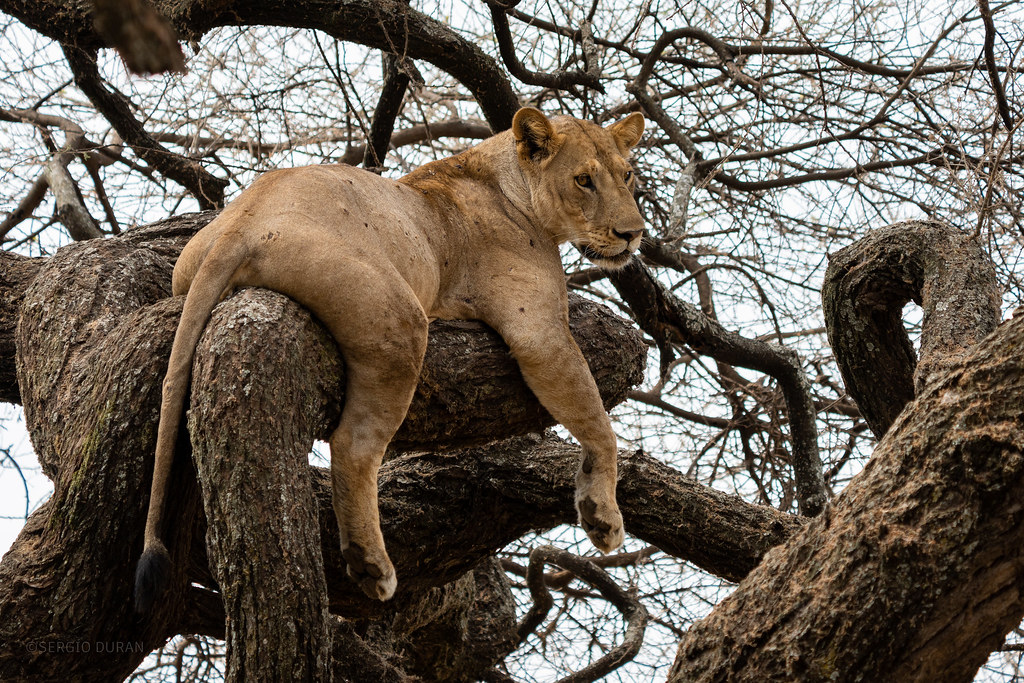
Tanzania Tree-Climbing Lions Safari: Where to See the Famous Lions in Lake Manyara National Park
Discover Tanzania’s famous tree-climbing lions, where to find them, why they climb trees, the best time to visit and how to combine Lake Manyara with other northern Tanzania safari destinations.
Introduction: Discover Tanzania’s Extraordinary Tree-Climbing Lions
Tanzania is one of Africa’s most remarkable wildlife destinations, offering visitors opportunities to encounter some of the continent’s most fascinating animals in their natural habitats. From enormous elephant herds and large buffalo populations to spectacular wildebeest migrations and impressive populations of big cats, Tanzania provides unforgettable safari experiences.
Among its most unusual wildlife attractions are the famous tree-climbing lions of Tanzania. Unlike many other African lions, which generally spend their resting hours on the ground, these remarkable predators have developed a habit of climbing trees and relaxing on large branches.
The most famous destination for witnessing this unusual behaviour is Lake Manyara National Park, located in northern Tanzania along the Great Rift Valley escarpment. The park is particularly recognised for its tree-climbing lions, beautiful landscapes, diverse wildlife and impressive birdlife.
Imagine driving through a beautiful acacia woodland during a Tanzania safari and suddenly discovering a pride of lions resting comfortably on the branches of a large tree. It is an extraordinary sight that makes a visit to Lake Manyara different from many other traditional African wildlife safaris.
Whether you are a wildlife enthusiast, photographer, nature lover or first-time African safari traveller, discovering Tanzania’s tree-climbing lions is an experience worth adding to your travel plans.
Why Do Lions Climb Trees in Tanzania?
Lions are generally associated with open grasslands, where they hunt, feed and rest on the ground. However, certain lion populations in Tanzania have become famous for their unusual tree-climbing behaviour.
Although researchers have suggested several possible explanations, the exact reasons why these lions climb trees are not completely understood.
Some of the commonly discussed explanations include:
Escaping Insects
One possible explanation is that climbing trees helps lions avoid biting insects such as flies and other ground-dwelling insects. Resting above the ground may provide some relief from insects that disturb them while resting in grassland areas.
Finding Cooler Resting Places
Temperatures in Tanzania’s national parks can become particularly high during the afternoon. Large trees provide shade, while elevated branches may offer better air circulation.
Climbing trees could therefore provide lions with comfortable places to rest during the hottest hours of the day.
Enjoying Elevated Resting Positions
Large trees with strong branches offer suitable resting platforms for lions. These elevated positions allow them to relax away from the ground while observing their surroundings.
Observing Their Surroundings
From the branches of a tree, lions may have a wider view of nearby grasslands and woodland habitats. This could provide an advantage when monitoring other animals and their surroundings.
Despite these possible explanations, tree climbing is not exclusive to lions in Lake Manyara. Similar behaviour has also been documented in other parts of Tanzania and East Africa.
Where to See Tree-Climbing Lions in Tanzania
Travellers interested in seeing tree-climbing lions have several possibilities within Tanzania’s northern safari destinations. However, Lake Manyara remains the most famous place associated with this unusual wildlife behaviour.
1. Lake Manyara National Park
Lake Manyara National Park is the most recognised destination for seeing tree-climbing lions in Tanzania. Located in the Manyara Region, the park lies beneath the impressive Great Rift Valley escarpment and features a beautiful combination of groundwater forests, open grasslands, acacia woodlands and alkaline lake environments.
The park’s diverse habitats support numerous wildlife species, including elephants, giraffes, zebras, buffaloes, hippos, baboons and different antelope species.
Its lions are particularly famous for resting on the branches of large trees, especially in suitable woodland habitats.
During a Lake Manyara National Park safari, visitors can explore different sections of the park in search of these unusual lions while enjoying encounters with other wildlife.
The experience is especially rewarding for photographers who want to capture lions in a setting that is different from the traditional images of big cats resting on open savannah plains.
2. Serengeti National Park
Serengeti National Park is another important destination for travellers interested in Tanzania’s big cats.
Although the park is internationally famous for the Great Migration, its enormous savannah ecosystem also supports significant lion populations.
Tree-climbing behaviour has been documented among Serengeti lions, although it is not as strongly associated with the park as it is with Lake Manyara.
Visitors exploring Serengeti may encounter lions resting beneath trees, hunting across open plains or occasionally climbing suitable branches.
A Serengeti wildlife safari can also be combined with Lake Manyara to create a more comprehensive northern Tanzania wildlife experience.
3. Tarangire National Park
Tarangire National Park is another excellent destination for a Tanzania wildlife safari.
The park is famous for its enormous elephant herds, impressive baobab trees, seasonal wetlands and diverse wildlife populations.
Although Tarangire is not primarily promoted for tree-climbing lions, lions are among its resident predators, and tree-climbing behaviour has been reported in the wider northern Tanzania ecosystem.
Visitors can combine Tarangire with Lake Manyara to experience two contrasting wildlife destinations during one safari.
Best Time to See Tree-Climbing Lions in Tanzania
Tree-climbing lions can potentially be encountered throughout the year in Lake Manyara National Park. However, sightings are never guaranteed because these animals move freely within their natural habitat.
The dry season, generally from June to October, is a popular period for wildlife viewing in northern Tanzania. Reduced vegetation and changing water availability can make some wildlife easier to locate.
The green season also offers beautiful scenery, fresh vegetation, excellent birdwatching and attractive photographic opportunities.
For the best possible experience, consider the following tips:
- Plan morning and afternoon game drives.
- Spend enough time exploring the park’s woodland habitats.
- Travel with an experienced safari guide.
- Carry binoculars and a camera with a suitable zoom lens.
- Remain patient because lions may be resting on the ground rather than in trees.
Remember that tree-climbing behaviour is natural and unpredictable. A visit to Lake Manyara offers an opportunity to look for these famous lions, not a guarantee that they will be seen in trees.
Other Wildlife to See in Lake Manyara National Park
Although tree-climbing lions are among its biggest attractions, Lake Manyara offers much more than an opportunity to see unusual lion behaviour.
The park supports an impressive variety of wildlife species and habitats.
African Elephants
Lake Manyara is home to African elephants that can frequently be seen moving through woodland areas and feeding on vegetation.
Watching these enormous animals moving through the forest is one of the highlights of a game drive.
African Buffaloes
Large herds of African buffaloes inhabit the park’s grasslands and woodland areas. They are among the most impressive animals visitors can encounter during a Lake Manyara safari.
Giraffes
Giraffes are commonly associated with Tanzania’s savannah landscapes, and Lake Manyara provides opportunities to observe these elegant animals browsing on trees and shrubs.
Hippos
The park’s aquatic habitats support hippos, which can often be observed resting in water during the heat of the day.
Baboons and Other Primates
Lake Manyara is also famous for its large baboon populations. Visitors may encounter troops moving through forest habitats, feeding and interacting with one another.
Flamingos and Other Birds
Lake Manyara is an important birdwatching destination, with a wide variety of resident and migratory bird species. Depending on water conditions and seasonal movements, visitors may also encounter flamingos around the lake.
Combine Tree-Climbing Lions with Other Northern Tanzania Safari Destinations
One of the biggest advantages of visiting Lake Manyara is its location within Tanzania’s famous northern safari circuit.
Travellers can combine their search for tree-climbing lions with visits to several other remarkable wildlife destinations.
Lake Manyara and Ngorongoro Crater Safari
A combination of Lake Manyara and Ngorongoro Crater provides an excellent introduction to Tanzania’s wildlife diversity.
After searching for tree-climbing lions in Lake Manyara, continue towards the Ngorongoro Conservation Area for an unforgettable game drive inside the crater.
The crater supports large populations of wildlife, including elephants, buffaloes, zebras, wildebeest, lions and other predators.
This combination is ideal for travellers interested in experiencing two different ecosystems during one safari.
Lake Manyara and Serengeti Safari
For visitors interested in big cats and the Great Migration, combining Lake Manyara with Serengeti National Park is an excellent choice.
Begin your adventure by searching for tree-climbing lions in Lake Manyara before travelling towards Serengeti’s extensive savannah plains.
Depending on the season, visitors may witness large herds of wildebeest and zebras moving across the ecosystem.
Lake Manyara and Tarangire Safari
Travellers with limited time can combine Lake Manyara and Tarangire National Park.
This safari offers opportunities to encounter tree-climbing lions, elephants, giraffes, buffaloes, zebras and other wildlife.
It is also an excellent option for travellers who prefer shorter northern Tanzania safari packages.
Suggested 5-Day Tanzania Tree-Climbing Lions and Wildlife Safari
Travellers interested in experiencing Tanzania’s famous tree-climbing lions can consider the following five-day itinerary.
Day 1: Arrival in Arusha
Arrive in Arusha, meet your safari representative and transfer to your accommodation. Depending on your arrival time, you can enjoy a short town excursion or relax before beginning your wildlife adventure.
Day 2: Tarangire National Park
Travel to Tarangire National Park for a full-day game drive. Explore its beautiful landscapes, enormous baobab trees and impressive elephant herds. Look out for lions, giraffes, zebras and other wildlife.
Day 3: Lake Manyara National Park
Proceed to Lake Manyara National Park for a wildlife adventure focused on searching for the famous tree-climbing lions. Explore its woodland habitats and enjoy sightings of elephants, buffaloes, baboons, hippos and numerous bird species.
Day 4: Ngorongoro Crater
Travel to the Ngorongoro Conservation Area and descend into the crater for a spectacular wildlife experience. Enjoy a game drive across its grasslands, forests and wetlands while looking for the Big Five.
Day 5: Return to Arusha
After breakfast, return to Arusha, where your Tanzania safari comes to an end. Depending on your travel arrangements, you can continue to Kilimanjaro International Airport or extend your holiday with another destination.
What to Pack for a Tanzania Tree-Climbing Lions Safari
Preparing properly can make your Lake Manyara safari more comfortable and enjoyable.
Consider packing:
- Lightweight neutral-coloured safari clothing.
- Comfortable walking shoes.
- A wide-brimmed hat.
- Sunglasses and sunscreen.
- Binoculars for wildlife observation.
- A camera with a suitable zoom lens.
- Personal medications and toiletries.
- A light jacket for cool mornings and evenings.
- A reusable water bottle.
Why Choose Graceland Adventurous for Your Tanzania Safari?
At Graceland Adventurous, we believe that every African safari should provide memorable wildlife encounters, comfortable travel arrangements and opportunities to discover the natural beauty of East Africa.
We organise tailor-made Tanzania wildlife safaris designed around travellers’ interests, available time and preferred travel styles.
Whether you are interested in seeing tree-climbing lions in Lake Manyara, experiencing the Great Migration in Serengeti, exploring the Ngorongoro Crater or discovering Tarangire’s elephant herds, we can help you plan a rewarding safari.
Our safari experiences can include:
- Private guided wildlife safaris.
- Northern Tanzania camping safaris.
- Tanzania lodge and tented camp safaris.
- Family wildlife holidays.
- Customised Tanzania safari itineraries.
- Multi-country East African safari adventures.
We can also help you combine Tanzania with Kenya, Uganda and Rwanda for a more extensive East African adventure.
Frequently Asked Questions About Tanzania Tree-Climbing Lions
1. Where can I see tree-climbing lions in Tanzania?
Lake Manyara National Park is Tanzania’s most famous destination for tree-climbing lions. The behaviour has also been documented in Serengeti and other parts of the northern Tanzania ecosystem.
2. Why do Lake Manyara lions climb trees?
Possible explanations include escaping ground-level insects, finding comfortable resting places, enjoying cooler conditions and observing their surroundings. However, the exact reasons remain uncertain.
3. Are all lions in Lake Manyara tree climbers?
No. Tree climbing is an unusual behaviour, and not every lion or pride climbs trees. Some lions spend most of their resting time on the ground.
4. What is the best time to see tree-climbing lions?
Lake Manyara can be visited throughout the year. June to October is a popular dry-season wildlife-viewing period, but sightings depend on lion movements and natural behaviour.
5. Can I see tree-climbing lions in Serengeti?
Yes. Tree-climbing behaviour has been documented among Serengeti lions, although Lake Manyara is more famous for this unusual wildlife experience.
6. How many days do I need for a Lake Manyara safari?
A full-day game drive can provide a rewarding Lake Manyara experience. However, travellers with more time can combine the park with Tarangire, Ngorongoro Crater and Serengeti.
7. Can I combine Lake Manyara with the Great Migration?
Yes. You can combine Lake Manyara with Serengeti National Park and plan your itinerary around the seasonal movements of wildebeest and zebras.
8. Are tree-climbing lions unique to Tanzania?
No. Tree-climbing lions are also famous in Uganda’s Ishasha sector of Queen Elizabeth National Park. Similar behaviour has been recorded in other locations, but Lake Manyara remains one of Tanzania’s best-known destinations for this experience.
Book Your Tanzania Tree-Climbing Lions Safari
Discover one of Tanzania’s most fascinating wildlife experiences with Graceland Adventurous. Explore Lake Manyara’s beautiful woodland habitats, search for lions resting in tree branches and encounter the extraordinary wildlife of northern Tanzania.
Whether you want a short wildlife excursion or an extended Tanzania safari combining Lake Manyara, Tarangire, Serengeti and Ngorongoro Crater, we are ready to help you plan your adventure.
Contact Graceland Adventurous today and start planning your Tanzania tree-climbing lions safari!