
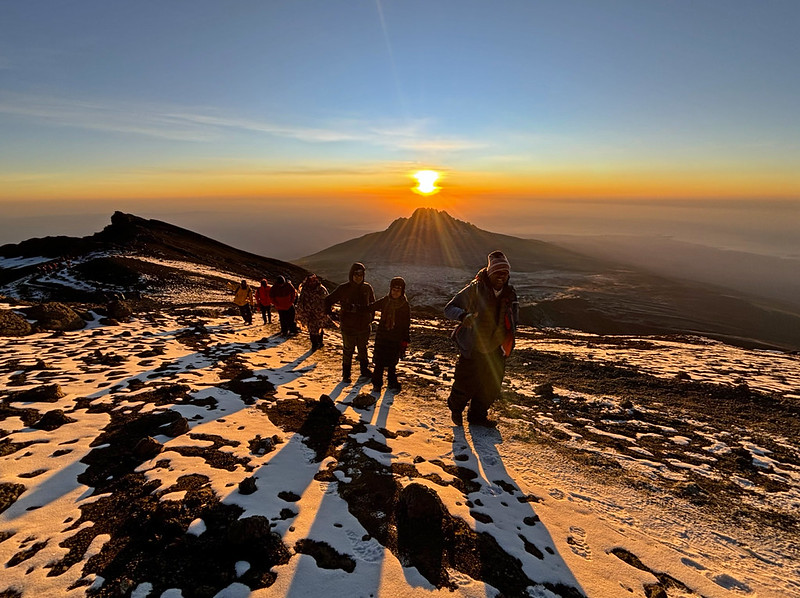
Alpine Desert Zone of Mount Kilimanjaro: Exploring the Mountain’s Dramatic High-Altitude Wilderness
The Alpine Desert Zone of Mount Kilimanjaro is one of the most dramatic and fascinating environments encountered during a Mount Kilimanjaro hiking adventure. Located above the moorland zone, this high-altitude landscape introduces climbers to a completely different side of Africa’s highest mountain.
Generally extending from approximately 4,000 to 5,000 metres above sea level, the alpine desert is characterised by rocky terrain, volcanic formations, scattered vegetation, strong sunlight and significant temperature variations.
Unlike the lower slopes, where tropical forests and lush mountain vegetation dominate, the alpine desert is an exposed environment with limited rainfall and relatively little plant life. During the day, temperatures can become surprisingly warm under direct sunlight, while nighttime temperatures may fall below freezing.
For hikers climbing towards Uhuru Peak, the alpine desert represents an important stage of the expedition. It is where the landscape becomes increasingly rugged, the air becomes thinner and the physical challenge of reaching the summit becomes more noticeable.
1. Understanding the Alpine Desert Zone of Mount Kilimanjaro
The alpine desert is an important ecological zone situated between the moorland and the high-altitude arctic summit environment.
As climbers ascend beyond approximately 4,000 metres, the vegetation gradually becomes less abundant and the landscape increasingly rocky.
The environment is characterised by:
- Dry and rocky mountain landscapes.
- Volcanic rocks and exposed geological formations.
- Sparse grasses, mosses and specialised alpine plants.
- Strong ultraviolet radiation during daylight hours.
- Cold nights and considerable temperature fluctuations.
- Reduced oxygen availability at higher elevations.
- Spectacular views of Kibo Peak and surrounding mountain terrain.
The harsh conditions make this environment unsuitable for most ordinary plants and animals. Only specialised organisms adapted to extreme mountain conditions can survive in these areas.
2. Unique Vegetation in the Kilimanjaro Alpine Desert
Compared with the rainforest and moorland zones, the alpine desert supports relatively limited vegetation.
The combination of low moisture availability, intense sunlight, cold nights and strong winds creates challenging growing conditions.
Some hardy plants and organisms may still be found in sheltered areas, including:
- Small alpine grasses.
- Mosses.
- Lichens.
- Hardy flowering plants.
- Specialised high-altitude vegetation.
These organisms have developed adaptations that allow them to survive in an environment where temperatures and moisture conditions can change dramatically.
As you continue hiking towards higher elevations, vegetation becomes increasingly scarce, and the landscape is dominated by rocks, volcanic soil and exposed mountain terrain.
3. The Geological Landscape of Kilimanjaro’s Alpine Desert
The alpine desert offers an excellent opportunity to appreciate the volcanic origins of Mount Kilimanjaro.
Kilimanjaro is a volcanic mountain massif consisting of three main volcanic cones: Kibo, Mawenzi and Shira.
The highest point, Kibo, contains the mountain’s summit area, including the Uhuru Peak region.
As hikers move through the alpine desert, they encounter rocky landscapes, volcanic deposits and dramatic mountain formations created by the mountain’s geological history.
The landscape around the higher camps provides impressive views of the summit massif, particularly during clear weather.
This rugged environment makes the alpine desert one of the most photogenic sections of a Kilimanjaro expedition.
4. Lava Tower: A Famous Landmark in the Alpine Desert
One of the most recognisable landmarks in Kilimanjaro’s alpine desert is Lava Tower.
Located at approximately 4,630 metres above sea level, Lava Tower is an impressive volcanic rock formation that forms an important feature of several climbing itineraries.
The landmark is particularly significant on the Machame and Lemosho routes, where climbers often ascend towards Lava Tower before descending to lower camps.
This approach follows the important acclimatisation principle known as “climb high, sleep low”.
By reaching a higher elevation during the day and sleeping at a lower altitude, climbers give their bodies an opportunity to adapt gradually to the mountain environment.
The Lava Tower experience is also an opportunity to enjoy spectacular views of the surrounding alpine desert.
5. Barranco Valley: A Beautiful Alpine Desert Landscape
The Barranco Valley is another remarkable landscape associated with Kilimanjaro’s higher mountain environments.
Surrounded by dramatic mountain slopes and distinctive vegetation, the valley provides beautiful scenery along the Machame and Lemosho routes.
One of its most famous features is the Barranco Wall, a steep mountain section that climbers ascend when leaving Barranco Camp.
Although the wall may appear intimidating, it is generally a trekking scramble rather than a technical rock-climbing challenge.
The surrounding landscape provides impressive views of volcanic formations, mountain ridges and the upper slopes of Kibo.
6. Wildlife in the Alpine Desert Zone
Wildlife becomes increasingly scarce as climbers gain altitude.
The harsh conditions, limited vegetation and reduced availability of food make the alpine desert less suitable for most animal species.
Nevertheless, some hardy organisms and occasional mountain birds may be encountered.
The absence of abundant wildlife does not reduce the attraction of this environment. Instead, it highlights the remarkable ability of certain plants and animals to survive in extreme mountain conditions.
For nature enthusiasts, the alpine desert offers a valuable opportunity to appreciate the ecological transitions that occur as altitude increases.
7. The Hiking Experience in the Alpine Desert Zone
The alpine desert is where the Kilimanjaro expedition begins to feel particularly challenging.
The trails generally cross exposed rocky terrain, volcanic landscapes and open mountain ridges.
Unlike the rainforest, there is little shade, and climbers are exposed to strong sunlight and changing weather conditions.
The hiking experience includes:
- Walking through rugged volcanic landscapes.
- Exploring the Lava Tower area.
- Experiencing high-altitude trekking conditions.
- Enjoying panoramic views of Kibo Peak.
- Crossing exposed mountain ridges and valleys.
- Preparing physically and mentally for the final summit attempt.
Although the terrain is not necessarily technically difficult, the altitude makes walking more demanding.
Maintaining a slow pace, taking regular breaks and following the mountain guide’s instructions are essential.
8. Important Camps and Landmarks in the Alpine Desert
Several important camps and landmarks are situated within or near the alpine desert environment.
Lava Tower: A famous volcanic rock formation at approximately 4,630 metres, commonly visited for acclimatisation on the Machame and Lemosho routes.
Barranco Camp: A scenic campsite beneath the impressive Barranco Wall, surrounded by dramatic mountain landscapes.
Karanga Camp: An important campsite on the southern circuit, providing a resting point before the final ascent towards Barafu.
Barafu Camp: Located at approximately 4,673 metres, this is the principal summit base camp for climbers using the Machame and Lemosho approaches.
Kibo Hut: Located at approximately 4,703 metres on the Marangu Route, Kibo Hut provides the final overnight stop before the summit attempt.
These camps provide important resting points as climbers gradually approach the summit region.
9. Weather and Climate in the Alpine Desert
Weather conditions in the alpine desert can be unpredictable.
During the daytime, direct sunlight can make temperatures feel relatively warm, especially when there is little wind.
However, temperatures drop considerably after sunset, and nighttime conditions can become extremely cold.
Hikers should prepare for:
- Strong sunlight and ultraviolet radiation.
- Cold nighttime temperatures.
- Strong mountain winds.
- Occasional rain, frost or snow.
- Low oxygen availability.
- Significant day-to-night temperature changes.
Proper clothing and equipment are essential for remaining comfortable and safe.
A good layering system allows hikers to adjust their clothing as temperatures change throughout the day.
10. Best Time to Experience the Alpine Desert Zone
The alpine desert can be explored throughout the year as part of a Mount Kilimanjaro climbing expedition.
However, the generally drier periods from January to March and June to October are popular for mountain trekking.
During the rainy seasons, visibility may be reduced and weather conditions can make exposed mountain trails more challenging.
Regardless of the season, climbers should be prepared for cold temperatures, strong winds and rapidly changing weather.
11. Safety and Acclimatisation in the Alpine Desert
The alpine desert is a particularly important section of the mountain because of its high elevation.
As oxygen availability decreases, climbers may begin experiencing symptoms associated with altitude sickness.
Common symptoms include headaches, nausea, dizziness, loss of appetite and unusual fatigue.
To reduce risks:
- Follow a gradual climbing itinerary.
- Maintain a slow walking pace.
- Drink fluids regularly.
- Follow your guide’s instructions.
- Report any unusual symptoms immediately.
- Avoid ascending further when experiencing suspected altitude sickness without medical assessment.
Severe altitude sickness requires immediate medical attention and descent.
Climbers should also protect themselves from strong sunlight by wearing sunglasses, sunscreen, protective clothing and a suitable hat.
12. Experience the Alpine Desert on Your Mount Kilimanjaro Hiking Adventure
Walking through the alpine desert is one of the most extraordinary experiences of climbing Mount Kilimanjaro.
The dramatic volcanic landscapes, rugged mountain terrain, famous Lava Tower and spectacular views of Kibo Peak create an unforgettable high-altitude adventure.
This is the stage where climbers begin preparing for the ultimate challenge: reaching Uhuru Peak at 5,895 metres above sea level.
Whether you choose the Machame, Lemosho, Marangu, Rongai or Northern Circuit route, the alpine desert provides a fascinating insight into the extreme natural environments of Africa’s highest mountain.