
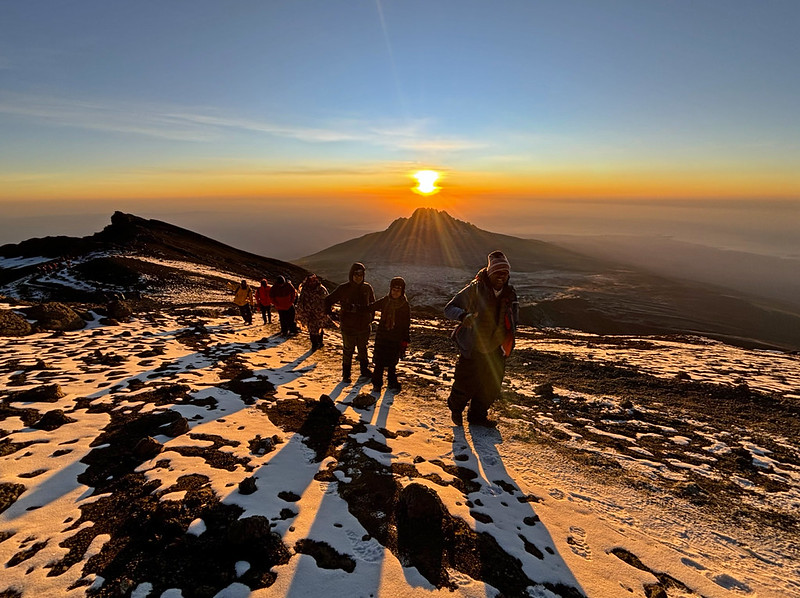
Mount Kilimanjaro Routes: Complete Guide to All 7 Climbing Routes in TanzaniaIntroduction: Choosing the Best Route to Climb Mount Kilimanjaro
Mount Kilimanjaro is one of Africa’s most iconic natural landmarks and the highest free-standing mountain in the world. Rising to 5,895 metres above sea level, this remarkable mountain attracts climbers, adventure travellers and nature enthusiasts from across the globe.
Located in northern Tanzania, Kilimanjaro offers an extraordinary trekking experience through several climatic zones, from tropical rainforest and open moorland to alpine desert and the permanently cold summit environment.
Reaching Uhuru Peak, the highest point on the mountain, is a dream for many adventure travellers. However, before planning your climb, one of the most important decisions is choosing the right Kilimanjaro route.
There are seven established trekking routes leading towards the summit: Marangu, Machame, Lemosho, Shira, Rongai, Northern Circuit and Umbwe. Each route has a different starting point, landscape, duration, difficulty and acclimatization profile.
Some routes approach Kilimanjaro from the southern slopes, while others begin on the western or northern side. Accommodation also differs, with the Marangu Route offering mountain huts and the other main trekking routes using camping arrangements.
The best route is not necessarily the shortest or cheapest. A suitable itinerary should provide enough time for your body to adjust to altitude while allowing you to enjoy the mountain experience.
At Graceland Adventurous, we help travellers organize memorable Mount Kilimanjaro climbing adventures with experienced mountain crews, carefully planned itineraries and professional trekking support.
This complete guide explores all seven Kilimanjaro routes, compares their advantages and disadvantages, and helps you choose the most suitable route for your adventure in Tanzania.
How Many Routes Are There on Mount Kilimanjaro?
Mount Kilimanjaro has seven established main trekking routes used to reach Uhuru Peak.
These routes approach the mountain from different directions and eventually connect with the upper mountain trails leading towards the summit.
The seven routes are:
- Marangu Route
- Machame Route
- Lemosho Route
- Shira Route
- Rongai Route
- Northern Circuit Route
- Umbwe Route
The Mweka Route is also an important trail on Kilimanjaro, but it is primarily used for descending the mountain rather than as a standard independent ascent route.
The seven climbing routes offer different experiences. Marangu is known for its mountain huts, Machame for its varied scenery, Lemosho for its beautiful western approach, Shira for its high-altitude plateau, Rongai for its quieter northern approach, Northern Circuit for its extended mountain journey and Umbwe for its steep ascent.
The route you choose influences your trekking schedule, accommodation, mountain scenery and opportunities for acclimatization.
Mount Kilimanjaro Routes Comparison Table
The following table provides a general comparison of the seven main climbing routes.
| Kilimanjaro Route | Typical Duration | Approach | Accommodation | General Character |
|---|---|---|---|---|
| Marangu | 5–6 days | South-east | Mountain huts | Gradual trail, direct ascent |
| Machame | 6–7 days | South | Camping | Scenic and challenging |
| Lemosho | 7–8 days | West | Camping | Scenic, gradual approach |
| Shira | 6–8 days | West | Camping | High-altitude plateau approach |
| Rongai | 6–7 days | North | Camping | Quiet and relatively dry |
| Northern Circuit | 8–9 days | West and north | Camping | Long, remote mountain circuit |
| Umbwe | 6–7 days | South | Camping | Steep and demanding |
Durations are common itinerary ranges, not guaranteed schedules. Actual trekking days, distances and camp sequences vary by operator and route arrangement. Longer itineraries generally allow more time for acclimatization.
1. Marangu Route: The Classic Coca-Cola Route
The Marangu Route is the oldest and one of the most established climbing routes on Mount Kilimanjaro.
Often called the Coca-Cola Route, it approaches the mountain from the south-eastern side through Marangu Gate.
Unlike the other main climbing routes, Marangu offers permanent mountain hut accommodation. Climbers sleep in shared dormitory-style huts at Mandara, Horombo and Kibo.
The route follows a relatively gradual trail through the rainforest, moorland and alpine desert before reaching the summit area.
Marangu is often described as the easiest Kilimanjaro route because of its gradual walking gradient. However, the shorter itineraries can provide limited time for altitude adjustment, making the climb challenging despite the relatively comfortable trail.
A six-day itinerary is generally preferable to the five-day option because it includes an additional acclimatization day at Horombo.
Typical duration: 5–6 days
Starting point: Marangu Gate
Accommodation: Mountain huts
Difficulty: Moderate to challenging at altitude
Best for: Climbers who prefer hut accommodation and a relatively direct trail.
Marangu Route Itinerary Overview
- Day 1: Marangu Gate to Mandara Hut
- Day 2: Mandara Hut to Horombo Hut
- Day 3: Acclimatization day at Horombo Hut, on the six-day itinerary
- Day 4: Horombo Hut to Kibo Hut
- Day 5: Summit attempt to Uhuru Peak and descent towards Horombo Hut
- Day 6: Horombo Hut to Marangu Gate
Advantages of the Marangu Route
The main advantage is permanent mountain hut accommodation, which is particularly attractive to travellers who prefer sleeping indoors rather than camping.
The trail also follows a relatively gradual ascent, and the route has established facilities along the mountain.
Disadvantages of the Marangu Route
The main disadvantage is that climbers ascend and descend along the same trail, resulting in less variety of scenery.
Short itineraries also provide limited acclimatization time. The route can be busy, especially during popular climbing seasons.
Explore our detailed Marangu Route Kilimanjaro climbing guide for the full itinerary, accommodation details and booking information.
2. Machame Route: The Famous Whiskey Route
The Machame Route is one of the most popular ways to climb Mount Kilimanjaro.
Known as the Whiskey Route, it approaches the mountain from the south-western side and is famous for its changing scenery, dramatic landscapes and rewarding trekking experience.
The route begins at Machame Gate, passing through lush rainforest before climbing towards the Shira Plateau.
As the trail progresses, climbers encounter impressive volcanic landscapes, Lava Tower, the famous Barranco Wall and the upper mountain slopes.
One of Machame’s main advantages is its acclimatization profile. The itinerary includes opportunities to climb higher during the day before sleeping at a lower elevation, helping the body adjust to altitude.
Machame is normally organized over six or seven days, with the seven-day itinerary providing additional time for acclimatization.
Typical duration: 6–7 days
Starting point: Machame Gate
Accommodation: Camping
Difficulty: Moderate to challenging
Best for: Travellers seeking dramatic scenery and a popular camping route.
Machame Route Itinerary Overview
- Day 1: Machame Gate to Machame Camp
- Day 2: Machame Camp to Shira Camp
- Day 3: Shira Camp to Lava Tower and Barranco Camp
- Day 4: Barranco Camp to Karanga Camp
- Day 5: Karanga Camp to Barafu Camp
- Day 6: Summit attempt to Uhuru Peak and descent towards Mweka Camp
- Day 7: Mweka Camp to Mweka Gate, on the seven-day itinerary
Advantages of the Machame Route
Machame offers spectacular mountain scenery and a varied trekking experience.
It also provides a useful climb-high, sleep-low acclimatization pattern, particularly on the longer itinerary.
Disadvantages of the Machame Route
The route can be busy during peak climbing seasons. Some sections are steep, and the Barranco Wall requires scrambling and careful footing.
The six-day itinerary can be demanding, so travellers with enough time may prefer seven days.
Read our complete Machame Route Kilimanjaro guide to discover the daily itinerary, campsites and climbing experience.
3. Lemosho Route: A Scenic Western Approach
The Lemosho Route is widely appreciated for its beautiful landscapes, relatively quiet initial stages and gradual western approach to Mount Kilimanjaro.
The route begins at Londorossi Gate on the western side of the mountain. After park registration, climbers continue towards the trailhead and begin trekking through the rainforest.
During the first days, the route passes through beautiful forest environments before opening onto the spectacular Shira Plateau.
The trail later connects with sections used by the Machame Route, continuing towards Lava Tower, Barranco, Karanga and Barafu before the summit attempt.
Lemosho is generally organized over seven or eight days, with the longer itinerary allowing additional acclimatization time.
It is an excellent option for climbers who want a scenic mountain experience with a more gradual start than the high-altitude Shira approach.
Typical duration: 7–8 days
Starting point: Londorossi Gate and the Lemosho trailhead
Accommodation: Camping
Difficulty: Moderate to challenging
Best for: First-time climbers, scenery lovers and travellers seeking a longer western approach.
Lemosho Route Itinerary Overview
- Day 1: Londorossi Gate to Mti Mkubwa Camp
- Day 2: Mti Mkubwa Camp to Shira 1 Camp
- Day 3: Shira 1 Camp to Shira 2 Camp
- Day 4: Shira 2 Camp towards Lava Tower and Barranco Camp
- Day 5: Barranco Camp to Karanga Camp
- Day 6: Karanga Camp to Barafu Camp
- Day 7: Summit attempt to Uhuru Peak and descent towards Mweka Camp
- Day 8: Mweka Camp to Mweka Gate
Some eight-day itineraries adjust the camp sequence and include an additional acclimatization stage. Confirm the exact schedule with your operator.
Advantages of the Lemosho Route
Lemosho offers a beautiful western approach, varied landscapes and a relatively gradual beginning.
The longer itineraries provide good opportunities for acclimatization and make the route attractive to first-time Kilimanjaro climbers.
Disadvantages of the Lemosho Route
It generally costs more than shorter climbing itineraries because it involves additional days, park fees, meals and mountain crew arrangements.
It also requires more time away from home and more preparation.
Discover the full itinerary in our Lemosho Route Kilimanjaro climbing guide.
4. Shira Route: The High-Altitude Plateau Approach
The Shira Route is another western approach to Mount Kilimanjaro.
It is closely related to the Lemosho Route, but the main difference is the starting elevation. Climbers are transferred by vehicle towards the Shira Plateau, beginning the trekking experience at a relatively high altitude.
The Shira Plateau is one of the mountain’s most distinctive landscapes. It offers wide open terrain, volcanic formations and spectacular views of Kibo Peak.
After crossing the plateau, the route continues towards Lava Tower and Barranco Camp before joining the southern circuit.
Shira is an attractive option for experienced hikers who want to explore the western side of Kilimanjaro. However, its high starting point makes acclimatization particularly important.
Travellers arriving directly from low-altitude destinations should discuss the route carefully with their operator and consider a longer acclimatization schedule.
Typical duration: 6–8 days, depending on itinerary
Starting point: Londorossi Gate and the Shira trailhead
Accommodation: Camping
Difficulty: Challenging, particularly because of the high starting elevation
Best for: Travellers interested in the Shira Plateau and a western mountain approach, with careful altitude planning.
Shira Route Itinerary Overview
A common itinerary structure includes:
- Day 1: Shira trailhead to Shira 1 Camp
- Day 2: Shira 1 Camp to Shira 2 Camp
- Day 3: Shira 2 Camp to Lava Tower and Barranco Camp
- Day 4: Barranco Camp to Karanga Camp
- Day 5: Karanga Camp to Barafu Camp
- Day 6: Summit attempt to Uhuru Peak and descent towards Mweka Camp
- Day 7: Mweka Camp to Mweka Gate
Longer versions can include an additional acclimatization day before the summit stage.
Advantages of the Shira Route
The Shira Route offers remarkable views across the plateau and a relatively distinctive western approach.
It also connects with the southern circuit, providing access to famous mountain features such as Lava Tower and Barranco Wall.
Disadvantages of the Shira Route
The high starting elevation is its main disadvantage. Beginning the trek at approximately 3,500 metres can be difficult for climbers who have not already acclimatized.
The route therefore requires careful itinerary planning.
Read our full Shira Route Kilimanjaro guide for its itinerary, camping experience and preparation advice.
5. Rongai Route: The Northern Approach
The Rongai Route is the only established main trekking route approaching Mount Kilimanjaro from the northern side near the Kenya border.
It begins at Nalemoru Gate and offers a different mountain experience from the southern and western approaches.
The northern slopes generally receive less rainfall than the southern side, making Rongai an attractive option during periods when wetter conditions affect other parts of the mountain.
The early sections of the route pass through relatively quiet wilderness environments, with beautiful forest and moorland landscapes.
As the climb continues, the trail approaches Mawenzi Tarn beneath the dramatic Mawenzi Peak before crossing the high saddle towards Kibo.
The summit attempt is usually made from Kibo Hut, with climbers continuing towards Gilman’s Point and then Uhuru Peak.
After reaching the summit, climbers commonly descend through the Marangu Route.
Typical duration: 6–7 days
Starting point: Nalemoru Gate
Accommodation: Camping
Difficulty: Moderate to challenging
Best for: Travellers seeking a quieter northern approach and a relatively dry route.
Rongai Route Itinerary Overview
- Day 1: Nalemoru Gate to Simba Camp
- Day 2: Simba Camp to Second Cave
- Day 3: Second Cave towards Kikelewa Camp
- Day 4: Kikelewa Camp to Mawenzi Tarn
- Day 5: Mawenzi Tarn towards Kibo Hut
- Day 6: Summit attempt to Uhuru Peak and descent towards Horombo Hut
- Day 7: Horombo Hut to Marangu Gate
The exact camp sequence and inclusion of an acclimatization day depend on the selected itinerary.
Advantages of the Rongai Route
Rongai is quieter during the early stages and provides a different perspective of Kilimanjaro.
Its northern location is generally drier than the southern slopes, making it worth considering during wetter periods.
Disadvantages of the Rongai Route
The route offers fewer opportunities for the traditional climb-high, sleep-low pattern than some western and southern itineraries.
The summit night is demanding, and the descent through the Marangu side means climbers finish in a different area from their starting point.
Discover more in our Rongai Route Kilimanjaro climbing guide.
6. Northern Circuit Route: The Longest Kilimanjaro Route
The Northern Circuit Route is the longest established trekking route on Mount Kilimanjaro.
It begins from the western side, following an initial section similar to the Lemosho approach before continuing around the northern slopes of the mountain.
The route offers a remarkable opportunity to experience different sides of Kilimanjaro while spending more time at altitude.
Unlike shorter routes that join the southern circuit relatively early, the Northern Circuit continues around the quieter northern side of Kibo.
The longer journey allows more time for acclimatization and offers spectacular mountain scenery, including views towards the Kenyan plains.
The Northern Circuit is generally organized over eight or nine days, with nine days being a popular choice.
Typical duration: 8–9 days
Starting point: Londorossi Gate and the western trailhead
Accommodation: Camping
Difficulty: Moderate to challenging; long duration
Best for: Climbers with enough time who prefer a longer, quieter mountain experience.
Northern Circuit Route Itinerary Overview
A typical nine-day itinerary follows this general sequence:
- Day 1: Londorossi Gate to Mti Mkubwa Camp
- Day 2: Mti Mkubwa Camp to Shira 1 Camp
- Day 3: Shira 1 Camp to Shira 2 Camp
- Day 4: Shira 2 Camp towards Moir Hut
- Day 5: Moir Hut towards Buffalo Camp
- Day 6: Buffalo Camp towards Third Cave
- Day 7: Third Cave towards School Hut
- Day 8: Summit attempt to Uhuru Peak and descent towards Mweka Camp
- Day 9: Mweka Camp to Mweka Gate
The precise itinerary varies between operators, particularly in the northern circuit camps and summit approach.
Advantages of the Northern Circuit Route
The biggest advantage is its extended duration, which offers more time for altitude adaptation.
It also provides an opportunity to explore quieter parts of the mountain and enjoy an almost complete circuit around Kibo.
Disadvantages of the Northern Circuit Route
The route requires more time and generally costs more than shorter Kilimanjaro itineraries.
Travellers with limited holiday time may find it difficult to accommodate the longer climbing schedule.
Explore our detailed Northern Circuit Route Kilimanjaro guide for the full itinerary and mountain experience.
7. Umbwe Route: The Steepest and Most Demanding Approach
The Umbwe Route is known for its steep, direct approach towards the upper slopes of Mount Kilimanjaro.
It begins at Umbwe Gate on the southern side of the mountain and climbs through dense rainforest before reaching the higher mountain camps.
Compared with other Kilimanjaro routes, Umbwe gains elevation relatively quickly. Its direct profile means there is less time for gradual acclimatization, making it a demanding choice.
The route eventually joins the southern circuit near Barranco Camp, where climbers continue towards Karanga and Barafu before attempting the summit.
Umbwe is generally recommended for strong and experienced hikers who understand the challenges of high-altitude trekking. A longer itinerary is preferable to rushing the ascent.
Typical duration: 6–7 days
Starting point: Umbwe Gate
Accommodation: Camping
Difficulty: Very challenging
Best for: Experienced, physically prepared trekkers who understand the importance of acclimatization.
Umbwe Route Itinerary Overview
A common six-day itinerary structure includes:
- Day 1: Umbwe Gate to Umbwe Cave Camp
- Day 2: Umbwe Cave Camp towards Barranco Camp
- Day 3: Barranco Camp to Karanga Camp
- Day 4: Karanga Camp to Barafu Camp
- Day 5: Summit attempt to Uhuru Peak and descent towards Mweka Camp
- Day 6: Mweka Camp to Mweka Gate
A longer itinerary can include additional acclimatization time, depending on the route design.
Advantages of the Umbwe Route
Umbwe offers a dramatic and direct approach with impressive forest and mountain scenery.
It is also generally quieter during its initial stages than some of the more popular routes.
Disadvantages of the Umbwe Route
The steep ascent and rapid altitude gain make Umbwe one of the most demanding routes.
It is not usually the first recommendation for beginners or travellers with limited high-altitude trekking experience.
Read our complete Umbwe Route Kilimanjaro guide before deciding whether this challenging approach is suitable for your climb.
Which Is the Best Route to Climb Mount Kilimanjaro?
There is no single route that is best for every climber. The most suitable option depends on your available time, fitness, budget, preferred accommodation, trekking experience and ability to acclimatize.
However, some routes stand out for particular travel preferences.
Best all-round western approach: Lemosho Route
Lemosho offers beautiful scenery, a relatively gradual start and longer itinerary options. It is a strong choice for many first-time climbers who have enough time.
Best popular scenic route: Machame Route
Machame is ideal for travellers looking for varied landscapes, a well-known climbing experience and a route that includes the famous Barranco Wall.
Best route for hut accommodation: Marangu Route
Marangu is the only main route with permanent mountain huts. It is suitable for travellers who prefer sleeping indoors, although the longer six-day itinerary is preferable.
Best route for a northern approach: Rongai Route
Rongai offers a quieter beginning, a different perspective of the mountain and generally drier conditions on the northern slopes.
Best for a longer mountain experience: Northern Circuit Route
The Northern Circuit is an excellent choice for travellers who can spend more days on the mountain and want a quieter, extended journey.
Best for the Shira Plateau: Shira Route
Shira offers a distinctive high-altitude western approach, but the high starting elevation requires careful acclimatization planning.
Best for experienced and strong trekkers seeking a steep approach: Umbwe Route
Umbwe is a demanding option with a rapid ascent profile. It should be selected carefully and not simply because it is shorter.
For many first-time climbers, a seven-day Machame, eight-day Lemosho or nine-day Northern Circuit itinerary is worth considering because each offers more time than the shortest route options.
Kilimanjaro Routes: Which Route Has the Highest Summit Success Potential?
Reaching Uhuru Peak requires more than physical strength. The body’s ability to adapt to altitude is one of the most important factors in determining whether a climber can safely complete the ascent.
Longer itineraries generally provide more time for acclimatization, which can improve the opportunity for summit success.
The Northern Circuit is particularly attractive because of its extended duration. Lemosho also offers a gradual approach and longer itinerary options.
Machame provides useful acclimatization opportunities, particularly on the seven-day version.
Marangu can be completed in six days, but the shorter five-day itinerary provides less time for altitude adaptation.
Shira requires special attention because the climb begins at a high elevation.
Umbwe is steep and direct, so it is not usually the preferred choice for climbers looking for a gradual ascent.
It is important to understand that no route guarantees summit success. Weather, altitude response, medical conditions, preparation and guide decisions all influence the outcome.
A responsible operator should monitor climbers throughout the journey and prioritize safety over reaching the summit.
How Long Does It Take to Climb Mount Kilimanjaro?
The number of days required depends on the selected route and itinerary.
Most climbers spend between five and nine days trekking on the mountain, although longer arrangements may be possible.
The shortest commonly offered route is the five-day Marangu itinerary. However, adding an acclimatization day is generally advisable.
Machame commonly takes six or seven days, while Lemosho is often organized over seven or eight days.
The Northern Circuit is generally the longest established route, commonly taking eight or nine days.
The duration affects more than the trekking schedule. Additional days also mean extra accommodation, meals, park-related expenses and mountain crew arrangements.
When choosing your itinerary, it is better to consider the complete climbing experience rather than focusing only on the shortest available option.
How Difficult Is Climbing Mount Kilimanjaro?
Kilimanjaro is a non-technical trekking mountain along the standard routes, meaning specialist mountaineering skills and ropes are not normally required.
However, reaching 5,895 metres is physically and mentally demanding.
The biggest challenge is altitude. As climbers gain elevation, the amount of available oxygen decreases, and the body must adjust to the changing environment.
Other challenges include long walking days, steep terrain, cold summit temperatures, wind, fatigue and changing weather conditions.
Some routes have more demanding sections than others. Machame includes the Barranco Wall, while Umbwe has a particularly steep initial ascent.
The Northern Circuit is longer, but its additional days allow more gradual progression. Marangu has a relatively gradual trail, but shorter itineraries can make acclimatization difficult.
Good physical preparation, a sensible itinerary and experienced mountain guides are essential.
What Is the Best Time to Climb Mount Kilimanjaro?
Mount Kilimanjaro can be climbed throughout the year, although some months generally provide more favourable trekking conditions.
January to March
The beginning of the year is a popular period for climbing Kilimanjaro.
January and February generally offer relatively warm conditions and opportunities for clear mountain views, although weather can change quickly.
March may experience increasing rainfall as the long rainy season approaches.
June to October
This is the main dry-season climbing period and one of the busiest times on the mountain.
July, August and September are particularly popular because they generally offer favourable trekking conditions.
November to December
November is associated with the short rainy season, although climbing remains possible.
December can offer a good opportunity for a mountain adventure, particularly towards the end of the month, but conditions are variable.
April and May
These months experience the main rainy season.
Trails can become wet and muddy, visibility may be reduced and camping conditions can be more challenging.
Travellers considering climbing during this period should discuss weather expectations and route selection with their operator.
Kilimanjaro Accommodation: Camping Routes vs Mountain Huts
Accommodation is another important difference between Kilimanjaro’s climbing routes.
The Marangu Route is the only main trekking route offering permanent mountain huts.
At Mandara, Horombo and Kibo, climbers sleep in shared dormitory-style accommodation. The huts provide shelter from the weather, although they are shared facilities and can become busy.
The other main routes use camping arrangements.
On Machame, Lemosho, Shira, Rongai, Northern Circuit and Umbwe, mountain crews organize tents at designated campsites.
Camping packages generally include sleeping tents, dining tents, meals and campsite support.
A typical mountain camp includes a sleeping tent for climbers and a shared dining tent where meals are served.
The choice between huts and camping depends on personal preference, but accommodation alone should not determine your route. Acclimatization and the overall itinerary remain more important considerations.
How Much Does It Cost to Climb Mount Kilimanjaro?
The cost of climbing Kilimanjaro varies according to the selected route, number of days, group size, accommodation arrangements and services included.
Shorter itineraries may have lower overall costs, but longer routes require additional park-related expenses, meals, crew services and camping arrangements.
Private climbs are generally more expensive per person than joining a scheduled group departure.
The following factors influence the total climbing price:
- Kilimanjaro National Park entrance and camping or hut fees.
- Mountain guide and porter services.
- Mountain cook and meal arrangements.
- Camping equipment or hut accommodation.
- Transport to and from the mountain gates.
- Rescue and emergency support arrangements.
- Hotel accommodation before and after climbing.
- Government taxes and applicable levies.
- Group size and private-climb arrangements.
Travellers should be careful when comparing very cheap Kilimanjaro packages. A responsible climbing operation requires trained guides, sufficient crew support, appropriate food, suitable equipment and proper safety procedures.
Before booking, request a detailed quotation explaining exactly what is included and excluded.
Contact Graceland Adventurous for an updated Kilimanjaro climbing quotation based on your preferred route and travel dates.
What Should You Pack for Climbing Kilimanjaro?
Packing correctly is essential because Kilimanjaro passes through different climatic zones.
At lower elevations, temperatures can be relatively warm, while the summit environment can be extremely cold.
Your packing list should include:
Clothing
- Thermal base layers.
- Fleece or insulating mid-layers.
- Warm down jacket.
- Waterproof jacket.
- Waterproof trousers.
- Hiking trousers.
- Warm gloves and spare gloves.
- Wool or thermal socks.
- Warm hat and sun hat.
Footwear
- Comfortable waterproof hiking boots.
- Camp shoes or lightweight footwear.
- Gaiters where appropriate.
Personal equipment
- Daypack.
- Headlamp with spare batteries.
- Trekking poles.
- Sunglasses.
- Sunscreen.
- Water bottles or hydration system.
- Suitable sleeping bag for camping routes.
Personal supplies
- Toiletries.
- Personal medication.
- Basic blister-care supplies.
- Snacks and energy foods.
- Personal first-aid items.
Your mountain operator should provide a detailed packing list before the climb. Some equipment may be available for hire in Tanzania.
Physical Preparation for Climbing Kilimanjaro
Good physical preparation makes the mountain experience more comfortable and helps you manage consecutive hiking days.
Training should ideally begin several months before your planned climb.
Walking and hiking are among the best preparation activities. Try to include longer hikes, uphill trails and uneven terrain.
Cardiovascular exercises such as jogging, cycling and swimming can help build endurance.
It is also useful to practise walking with a light backpack and wearing the hiking boots you plan to use on Kilimanjaro.
If you live in a relatively flat area, use stairs, hills or inclined treadmill sessions to build strength and stamina.
Remember that physical fitness does not prevent altitude sickness. Even very fit athletes can experience altitude-related problems.
The best preparation combines physical training with an appropriate itinerary and careful attention to your guide’s instructions.
Can Beginners Climb Mount Kilimanjaro?
Yes. Beginners can climb Mount Kilimanjaro without previous technical mountaineering experience.
The standard trekking routes do not normally require specialist climbing equipment or advanced mountaineering skills.
However, climbers should prepare physically and choose an itinerary that provides enough time for acclimatization.
For first-time climbers, Lemosho and Machame are popular options because of their scenic landscapes and longer itinerary possibilities.
The Northern Circuit is another attractive option for travellers who have enough time and prefer a longer journey.
Marangu can also be considered, particularly on the six-day itinerary, for those who prefer hut accommodation.
Umbwe and the shorter Shira itineraries require more careful consideration because of their demanding altitude profiles.
Is Altitude Sickness a Risk on Kilimanjaro?
Altitude sickness is one of the most important safety considerations when climbing Mount Kilimanjaro.
It can affect anyone, regardless of age, fitness or previous hiking experience.
Common symptoms of acute mountain sickness include headaches, nausea, dizziness, fatigue and difficulty sleeping.
Symptoms should never be ignored. Climbers must inform their guides immediately if they feel unwell.
Severe altitude illness can become life-threatening. Confusion, difficulty walking straight, breathlessness at rest or worsening symptoms require urgent medical attention and descent.
Professional mountain teams monitor climbers during the ascent and should follow established safety and evacuation procedures.
A longer itinerary can provide more time for acclimatization, but it does not eliminate the risk.
Travellers should also obtain suitable travel insurance that specifically covers high-altitude trekking up to at least 6,000 metres and emergency mountain evacuation.
Can You Combine Kilimanjaro Climbing with a Tanzania Safari?
Yes. Combining a Kilimanjaro climb with a Tanzania wildlife safari is one of the most rewarding ways to experience northern Tanzania.
After reaching Uhuru Peak, many travellers spend time relaxing in Moshi or Arusha before continuing to the country’s famous national parks.
Tarangire National Park is known for its large elephant populations, baobab trees and beautiful savannah landscapes.
Lake Manyara National Park offers diverse habitats, birdlife, elephants and other wildlife.
Ngorongoro Crater is one of Tanzania’s most famous wildlife destinations, with excellent opportunities to see lions, buffaloes, elephants and other animals.
Serengeti National Park is famous for its vast grasslands, predators and the Great Wildebeest Migration.
Travellers with additional time can extend their journey to Zanzibar for beautiful beaches and a relaxing Indian Ocean holiday.
Explore our Tanzania wildlife safari packages and combine your mountain adventure with an unforgettable African safari.
Explore More East African Adventures with Graceland Adventurous
Graceland Adventurous offers a range of African travel experiences beyond Mount Kilimanjaro.
Travellers can combine their mountain climb with wildlife safaris, gorilla trekking and independent road adventures across East Africa.
Explore our:
- Uganda Gorilla Trekking Tours – Discover mountain gorillas in Bwindi Impenetrable National Park and Mgahinga Gorilla National Park.
- Rwanda Gorilla Trekking Tours – Experience mountain gorilla trekking in Volcanoes National Park.
- Uganda Wildlife Safaris – Explore Uganda’s national parks, wildlife and beautiful landscapes.
- Rwanda Wildlife Safaris – Discover Akagera National Park and its diverse wildlife.
- Akagera National Park Self-Drive Safaris – Experience Rwanda’s savannah wildlife on an independent road adventure.
- East Africa Safari Tours – Combine Tanzania, Kenya, Uganda and Rwanda in one memorable African holiday.
Whether you are planning a mountain climb, wildlife safari or multi-country African adventure, Graceland Adventurous can help you create a memorable travel experience.
Frequently Asked Questions About Kilimanjaro Routes
1. How many routes are there to climb Mount Kilimanjaro?
There are seven established main trekking routes: Marangu, Machame, Lemosho, Shira, Rongai, Northern Circuit and Umbwe.
2. Which is the best route to climb Kilimanjaro?
There is no single best route for everyone. Lemosho is a popular all-round option, Machame offers excellent scenery, and Northern Circuit provides an extended itinerary with more acclimatization time.
3. Which Kilimanjaro route is easiest?
Marangu is often considered the easiest in terms of trail gradient and walking terrain. However, its shorter itineraries offer less acclimatization time, so it should not be considered an easy climb overall.
4. Which Kilimanjaro route has mountain huts?
Marangu is the only established main climbing route with permanent mountain hut accommodation.
5. Which Kilimanjaro route is the most difficult?
Umbwe is generally considered the most demanding because of its steep and direct ascent. Other routes also involve challenging high-altitude trekking and summit conditions.
6. Which Kilimanjaro route is best for beginners?
Lemosho and Machame are popular choices for beginners who are reasonably fit and choose longer itineraries. Northern Circuit is also worth considering if time and budget allow.
7. Which route has the highest summit success potential?
Longer itineraries generally provide more time for acclimatization. The Northern Circuit is particularly attractive because of its extended duration, while longer Lemosho itineraries are also popular choices. Success varies by individual and conditions.
8. How many days do you need to climb Kilimanjaro?
Most climbs take between five and nine days on the mountain. Longer itineraries are generally preferable for acclimatization.
9. Is the Shira Route the same as Lemosho?
No. Both approach from the western side and share some sections, but Shira begins at a higher elevation while Lemosho generally starts lower in the rainforest.
10. Which Kilimanjaro route is best during the rainy season?
Rongai is often considered a good option during wetter periods because the northern slopes are generally drier than the southern side. However, rainfall and weather conditions can affect all routes.
11. Is the Barranco Wall dangerous?
The Barranco Wall is a steep scrambling section on the southern circuit. It is not normally a technical rock-climbing route, but climbers should follow their guides and take care with their footing.
12. Do all Kilimanjaro routes reach Uhuru Peak?
The seven main trekking routes are designed to reach the summit area and Uhuru Peak, subject to weather, route conditions and climbers’ health. Reaching the summit is never guaranteed.
13. Can I climb Kilimanjaro without previous hiking experience?
Yes, but you should prepare physically and choose an appropriate itinerary. Previous hiking experience is helpful but not compulsory.
14. What is the Mweka Route?
Mweka is primarily a descent route used by climbers who approach through Machame, Lemosho, Shira, Northern Circuit and Umbwe itineraries.
15. Can I climb Kilimanjaro alone?
You can book as a solo traveller, but climbs must be organized with the required registered mountain crew and park-authorized arrangements. Solo travellers can join group departures or arrange private climbs.
16. What is the best month to climb Kilimanjaro?
January, February, July, August, September and early October are popular climbing months because they generally offer favourable trekking conditions. Weather remains variable throughout the year.
17. Can I combine a Kilimanjaro climb with a safari?
Yes. Many travellers combine their climb with Tarangire, Ngorongoro Crater and Serengeti National Park before relaxing in Zanzibar.
18. Do I need travel insurance for Kilimanjaro?
Yes. Your policy should specifically cover high-altitude trekking up to at least 6,000 metres and emergency mountain evacuation.
19. Which route is the longest on Kilimanjaro?
The Northern Circuit is generally the longest established trekking route, commonly completed over eight or nine days.
20. How do I choose the right Kilimanjaro route?
Consider your available time, budget, fitness, preferred accommodation and acclimatization needs. A professional operator can help you select an itinerary that matches your travel plans.
Book Your Mount Kilimanjaro Climbing Adventure with Graceland Adventurous
Climbing Mount Kilimanjaro is an extraordinary adventure that takes you through spectacular natural environments towards the highest point in Africa.
From the rainforest trails of Machame and Lemosho to the northern wilderness of Rongai and the extended mountain circuit of Northern Circuit, every route offers a different experience.
Choosing the right itinerary is an important part of preparing for a successful and enjoyable climb.
At Graceland Adventurous, we help travellers compare the available routes, organize mountain logistics and plan their Kilimanjaro trekking adventure.
Whether you prefer the classic Marangu Route, the scenic Machame Route, the gradual Lemosho approach or the extended Northern Circuit, we can help you plan your climb.
Contact Graceland Adventurous today to request your Mount Kilimanjaro climbing quotation.
Mountain: Mount Kilimanjaro, Tanzania
Summit: Uhuru Peak, 5,895 metres
Available routes: Seven established climbing routes
Typical duration: 5–9 days, depending on route
Accommodation: Mountain huts or camping
Climbing options: Private climbs and group departures
Start planning your Kilimanjaro adventure today and take the first step towards reaching the Roof of Africa!