
Mawenzi Cone of Mount Kilimanjaro: Exploring Tanzania’s Rugged Volcanic Peak
Introduction to Mawenzi Cone of Mount Kilimanjaro
Mount Kilimanjaro is one of Africa’s most spectacular natural landmarks, recognised for its impressive elevation, volcanic history and diverse mountain ecosystems. Located in northeastern Tanzania, this famous mountain consists of three principal volcanic formations: Shira, Mawenzi and Kibo.
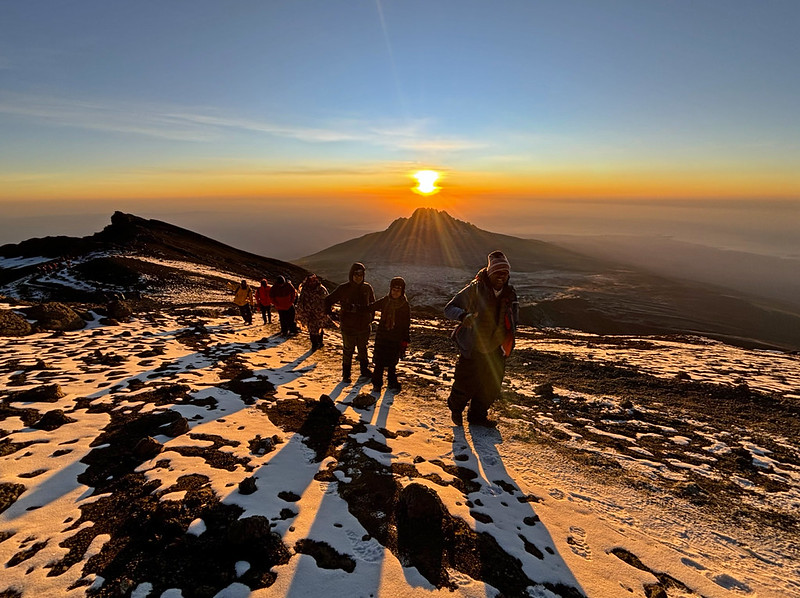
Among these formations, Mawenzi Cone is the second-highest volcanic peak of Mount Kilimanjaro, rising approximately 5,149 metres above sea level. It is situated on the eastern side of the mountain, opposite Kibo, and is famous for its dramatic rocky summits, steep cliffs, sharp ridges and rugged volcanic landscape.
Unlike Kibo, which has a relatively broad summit and contains Uhuru Peak, Mawenzi is characterised by a collection of jagged volcanic peaks. Its distinctive appearance makes it one of the most recognisable features of Kilimanjaro when viewed from the surrounding plains and mountain slopes.
Although Mawenzi is not a regular destination for ordinary Kilimanjaro summit climbers, its spectacular landscape can be explored from different sections of the mountain, particularly along the Marangu and Northern Circuit routes.
Geological History and Formation of Mawenzi Cone
Mawenzi is one of the three major volcanic centres responsible for the formation of Mount Kilimanjaro. Its geological development occurred after the formation of the older Shira volcanic centre.
The volcanic structure developed through repeated eruptions that deposited lava and other volcanic materials around the eastern side of the mountain.
Over millions of years, volcanic activity gradually ceased, while natural erosion and weathering reshaped the original volcanic structure. These processes created the steep ridges, sharp pinnacles and deeply eroded rock formations that characterise Mawenzi today.
Unlike the relatively smooth upper slopes of Kibo, Mawenzi has a highly irregular appearance. Its rugged landscape reflects the effects of long-term erosion and the exposure of volcanic rock formations.
Today, Mawenzi provides important evidence of the geological evolution of Mount Kilimanjaro and the volcanic processes that shaped the mountain.
Height and Location of Mawenzi Cone
Mawenzi is located on the eastern side of Mount Kilimanjaro, within Kilimanjaro National Park in northern Tanzania.
Its highest summit, Hans Meyer Peak, reaches approximately 5,149 metres (16,893 feet) above sea level.
Mawenzi is the second-highest of Kilimanjaro’s three principal volcanic formations, after Kibo, which rises to 5,895 metres at Uhuru Peak.
Its position between the eastern mountain slopes and the central Kibo massif creates some of the most spectacular views found during a Kilimanjaro hiking adventure.
The main geographical characteristics of Mawenzi include:
- A rugged volcanic structure with several sharp peaks.
- Steep cliffs and exposed rocky ridges.
- Deep valleys and eroded volcanic formations.
- High-altitude alpine desert landscapes.
- Impressive views towards Kibo and the surrounding mountain slopes.
The Three Major Volcanic Cones of Mount Kilimanjaro
To understand the importance of Mawenzi, it is useful to explore the three principal volcanic formations of Mount Kilimanjaro.
1. Shira Cone
Shira is the oldest volcanic centre, located on the western side of Kilimanjaro. Its original structure largely collapsed and eroded, leaving behind the Shira Plateau and surrounding volcanic ridges.
2. Mawenzi Cone
Mawenzi is the second-highest volcanic formation, reaching approximately 5,149 metres. It is recognised for its jagged peaks, steep cliffs and dramatic rocky landscape.
3. Kibo Cone
Kibo is the highest and youngest of the three principal volcanic formations. It rises to 5,895 metres at Uhuru Peak, the highest point in Africa. Its summit contains a large volcanic crater and glaciers.
Together, these three volcanic centres form the distinctive structure of Mount Kilimanjaro.
The Rugged Peaks and Rocky Landscape of Mawenzi
One of the most fascinating characteristics of Mawenzi is its dramatic physical appearance. Unlike the broad summit of Kibo, Mawenzi consists of several pointed peaks and narrow ridges separated by deep valleys.
Its rocky formations have been shaped by millions of years of erosion, weathering and volcanic processes.
The most prominent summits include:
- Hans Meyer Peak: The highest point of Mawenzi, standing at approximately 5,149 metres.
- Purtscheller Peak: Another notable summit within the Mawenzi volcanic formation.
- Nordecke: A prominent rocky summit forming part of Mawenzi’s rugged upper landscape.
These peaks create a spectacular mountain skyline and are particularly impressive when viewed from the surrounding slopes of Kilimanjaro.
Mawenzi Tarn: A Beautiful High-Altitude Attraction
One of the most popular places to appreciate Mawenzi’s scenery is Mawenzi Tarn.
Mawenzi Tarn is a small alpine lake situated beneath the dramatic rocky slopes of Mawenzi, at approximately 4,330 metres above sea level.
The tarn is an important overnight camping location for climbers following the Northern Circuit and Rongai approaches, depending on their itinerary.
Its location offers magnificent views of Mawenzi’s jagged peaks and the surrounding alpine desert landscape.
Visitors staying near Mawenzi Tarn can enjoy:
- Panoramic views of Mawenzi’s volcanic peaks.
- Beautiful mountain photography opportunities.
- A peaceful high-altitude camping environment.
- Opportunities to explore the surrounding alpine landscape.
- Views of the changing mountain scenery during sunrise and sunset.
Mawenzi Tarn is one of the most memorable locations for travellers interested in exploring Kilimanjaro beyond the usual summit trail.
Hiking and Exploring Mawenzi Through Kilimanjaro Routes
Although Mawenzi is not the standard summit destination for most climbers, several Kilimanjaro routes provide excellent opportunities to appreciate its beauty.
Marangu Route
The Marangu Route approaches Kilimanjaro from the southeastern side. Climbers pass through rainforest, moorland and alpine desert before reaching the Kibo summit area.
Mawenzi provides a dramatic backdrop along sections of the route, particularly around the Horombo Huts.
The route also offers an optional acclimatisation excursion towards Mawenzi Tarn, subject to the itinerary and mountain conditions.
Rongai Route
The Rongai Route approaches Kilimanjaro from the northern side, near the Kenyan border.
This route provides excellent views of Mawenzi and its rugged volcanic formations. Depending on the itinerary, climbers can spend time around Mawenzi Tarn before continuing towards Kibo.
Northern Circuit Route
The Northern Circuit is a longer Kilimanjaro climbing route that explores the northern slopes of the mountain.
It provides opportunities to experience less-visited mountain landscapes and enjoy spectacular views of both Mawenzi and Kibo.
The route’s extended duration also allows more time for acclimatisation before attempting the summit.
Can You Climb Mawenzi Peak?
Unlike Kibo, which is climbed regularly by thousands of visitors, Mawenzi is not a standard trekking summit.
Its steep cliffs, exposed ridges, loose volcanic rock and technical climbing sections make it considerably more challenging.
Mawenzi requires specialised mountaineering experience, technical equipment and appropriate climbing arrangements.
Historically, Mawenzi has been climbed by experienced mountaineers, but it is not generally included in ordinary commercial Kilimanjaro trekking itineraries.
Most visitors enjoy its scenery from established trekking routes and viewpoints rather than attempting to reach its highest summit.
Vegetation and Wildlife Around Mawenzi
The lower slopes of Mawenzi are characterised by the mountain’s moorland vegetation, including grasses, shrubs and heather.
As elevation increases, vegetation becomes increasingly sparse, eventually giving way to the alpine desert environment.
The rocky landscape and high-altitude conditions limit the variety of plants and animals found around the upper Mawenzi slopes.
Nevertheless, the surrounding mountain environment supports several bird species and small mammals.
The transition between vegetation zones makes this region an interesting destination for visitors interested in Kilimanjaro’s ecological diversity.
Best Time to Explore Mawenzi Cone
The best time to explore the Mawenzi region is generally during Kilimanjaro’s drier climbing seasons.
January to March: These months generally offer favourable trekking conditions, with periods of good visibility and colder temperatures at higher elevations.
June to October: This is another popular period for climbing Kilimanjaro, with generally drier weather and good opportunities to appreciate Mawenzi’s dramatic landscape.
April, May and November are generally wetter months, although climbing can still be arranged depending on weather conditions.
Because Mawenzi is located above 5,000 metres, temperatures can fall significantly, particularly at night. Appropriate clothing, acclimatisation and experienced mountain guides are essential.
Mawenzi Cone Compared with Shira and Kibo
The three volcanic formations have different geological characteristics, elevations and physical appearances.
| Feature | Shira | Mawenzi | Kibo |
|---|---|---|---|
| Position | Western side | Eastern side | Central |
| Elevation | 3,962 m | 5,149 m | 5,895 m |
| Geological age | Oldest | Younger than Shira | Youngest |
| Appearance | Eroded plateau | Jagged rocky peaks | Broad volcanic dome |
| Main attraction | Shira Plateau | Mawenzi Tarn and rocky peaks | Uhuru Peak and crater |
| Climbing access | Shira and Lemosho | Viewpoints and technical climbing | Main trekking summit |
Why Visit Mawenzi During a Kilimanjaro Hiking Adventure?
Mawenzi is one of the most spectacular geological features of Mount Kilimanjaro. Its jagged volcanic peaks, dramatic cliffs and impressive mountain scenery offer a different experience from the more frequently visited Kibo summit.
The main reasons to explore the Mawenzi region include:
- Discovering the second-highest volcanic formation of Kilimanjaro.
- Enjoying spectacular views of the jagged Mawenzi peaks.
- Visiting the beautiful Mawenzi Tarn.
- Exploring the mountain through the Rongai, Marangu and Northern Circuit routes.
- Experiencing the alpine desert environment.
- Learning about the volcanic history and geological evolution of Kilimanjaro.
For hikers, photographers and mountain enthusiasts, Mawenzi provides an unforgettable perspective of Tanzania’s highest mountain.
Frequently Asked Questions About Mawenzi Cone
1. What is Mawenzi Cone on Mount Kilimanjaro?
Mawenzi is the second-highest of Mount Kilimanjaro’s three principal volcanic formations. It is located on the eastern side of the mountain and is famous for its jagged peaks, steep cliffs and rugged volcanic landscape.
2. How high is Mawenzi Cone?
Mawenzi reaches approximately 5,149 metres above sea level at Hans Meyer Peak.
3. Is Mawenzi higher than Kibo?
No. Kibo is the highest volcanic formation of Mount Kilimanjaro, reaching 5,895 metres at Uhuru Peak. Mawenzi reaches approximately 5,149 metres.
4. Can tourists climb Mawenzi?
Mawenzi is technically challenging and is not part of ordinary commercial Kilimanjaro trekking itineraries. It requires specialised mountaineering skills, technical equipment and suitable climbing arrangements.
5. What is Mawenzi Tarn?
Mawenzi Tarn is a small alpine lake located beneath Mawenzi’s rugged peaks at approximately 4,330 metres. It is a popular high-altitude camping and acclimatisation location.
6. Which Kilimanjaro routes offer views of Mawenzi?
The Marangu, Rongai and Northern Circuit routes offer opportunities to appreciate Mawenzi’s dramatic landscape.
7. Is Mawenzi an active volcano?
Mawenzi is considered an extinct volcanic centre. Its volcanic activity ended long ago, and its present appearance has been shaped mainly by erosion and weathering.
Plan Your Mount Kilimanjaro Hiking Adventure
Mawenzi Cone represents one of the most fascinating parts of Mount Kilimanjaro’s volcanic history. From its rugged 5,149-metre summit to the spectacular scenery around Mawenzi Tarn, this ancient volcanic formation offers a memorable mountain experience.
Whether you are climbing through the Marangu Route, exploring the northern slopes through the Rongai Route or taking the longer Northern Circuit, Mawenzi provides some of the most impressive views on the mountain.
Plan your Mount Kilimanjaro hiking adventure in Tanzania and discover the spectacular landscapes of Shira, Mawenzi and Kibo, the three volcanic formations that make Africa’s highest mountain so unique.