
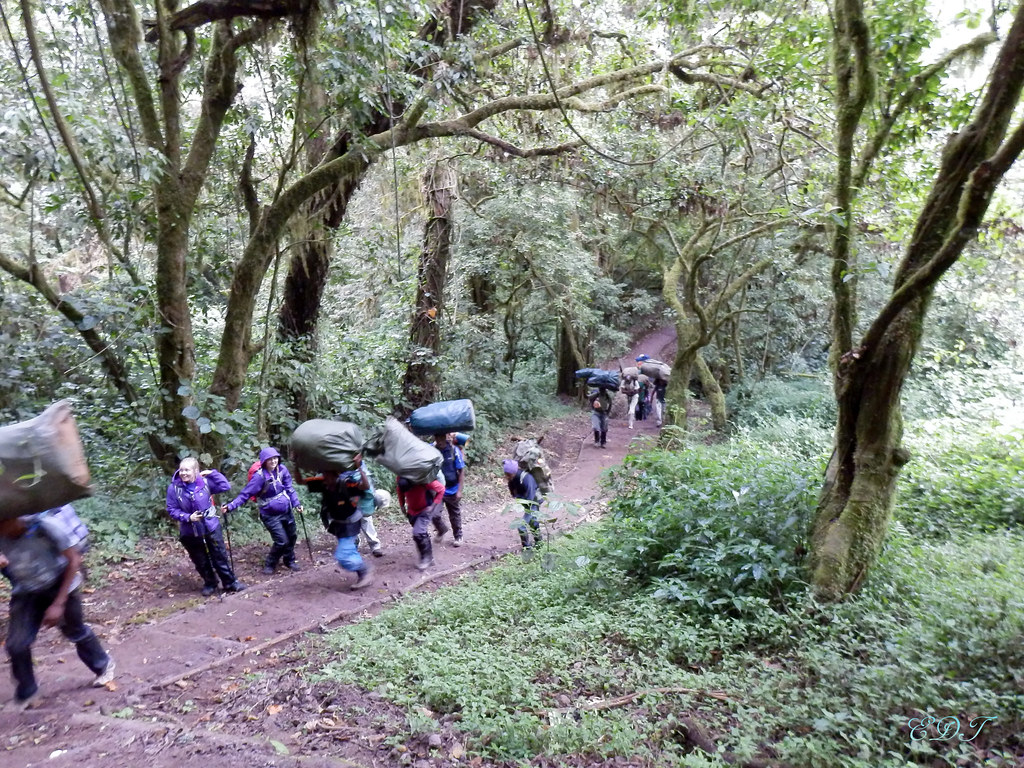
Cultivation and Rainforest Zone of Mount Kilimanjaro: Discover the Mountain’s Lush Green Slopes
The Cultivation and Rainforest Zone of Mount Kilimanjaro is the starting point of one of Africa’s most remarkable mountain hiking adventures. Located on the lower slopes of the mountain in northern Tanzania, this region introduces climbers to a beautiful combination of traditional farming landscapes, tropical vegetation, indigenous forests and fascinating wildlife.
Before reaching the colder and more challenging high-altitude environments, hikers experience the warm and humid conditions of Kilimanjaro’s lower elevations. The cultivated foothills are characterised by coffee plantations, banana gardens, traditional villages and fertile agricultural land, while the higher slopes are covered by dense tropical rainforest.
This transition from cultivated countryside to natural mountain forest makes the beginning of a Mount Kilimanjaro hiking adventure particularly memorable.
1. The Cultivation Zone: Exploring Kilimanjaro’s Agricultural Foothills
The cultivation zone generally occupies elevations of approximately 800 to 1,800 metres above sea level, although its extent varies around the mountain.
The lower slopes are home to local communities, particularly the Chagga people, whose traditional agricultural practices have shaped the landscape for generations.
The fertile volcanic soils and favourable rainfall conditions support several agricultural activities, including coffee production, banana cultivation, maize farming, beans and other food crops.
One of the most interesting features of this region is the traditional Chagga home garden. These agricultural systems combine different crops and trees within the same farming environment, creating productive landscapes that support local livelihoods and biodiversity.
As you travel through the foothills towards the mountain entrance gates, you will encounter beautiful green gardens, small settlements, coffee farms and spectacular views of Mount Kilimanjaro rising above the surrounding countryside.
The cultivation zone also provides an opportunity to experience the cultural heritage of the communities living around Africa’s highest mountain.
2. The Chagga People and Their Traditional Home Gardens
The Chagga people are among the main communities living on the southern and eastern slopes of Mount Kilimanjaro.
Their traditional agricultural practices are an important part of the region’s cultural identity. For generations, Chagga households have developed productive home gardens that integrate banana plants, coffee trees, fruit trees, vegetables and other crops.
These traditional farming systems are particularly interesting because different plants grow together within carefully managed agricultural environments.
Banana plants provide food and shade, while coffee remains an important cash crop for many households.
Visitors interested in cultural tourism can arrange guided village experiences to learn about traditional farming, local food preparation, coffee production and the history of communities around Kilimanjaro.
A cultural visit before or after climbing the mountain offers a deeper understanding of the relationship between local communities and their natural environment.
3. The Tropical Rainforest Zone: A Beautiful Mountain Ecosystem
As hikers ascend above the cultivated foothills, the landscape gradually changes into the montane rainforest zone, generally extending from around 1,800 to 2,800 metres.
This is one of the most beautiful and biologically diverse sections of Mount Kilimanjaro.
The forest is characterised by tall indigenous trees, thick vegetation, hanging mosses, ferns, climbing plants and a humid atmosphere. Mist frequently moves through the forest canopy, creating a mysterious and refreshing hiking environment.
The southern and southeastern slopes generally receive more rainfall, supporting particularly lush forest vegetation.
Some of the characteristic trees include camphorwood, Podocarpus and other indigenous montane forest species.
The forest also plays an important ecological role by capturing moisture and supporting the mountain’s water catchment systems.
For hikers, the rainforest offers a dramatic introduction to the mountain’s natural beauty before the vegetation becomes shorter and more open at higher elevations.
4. Wildlife and Birdlife in the Kilimanjaro Rainforest
The rainforest supports a variety of wildlife species, making the lower section of the mountain particularly interesting for nature lovers.
During the hike, visitors may encounter:
- Black-and-white colobus monkeys.
- Blue monkeys.
- Bushbucks.
- Tree hyraxes.
- Various forest-dwelling small mammals.
- Numerous indigenous bird species.
Birdwatchers may also enjoy spotting turacos, hornbills, sunbirds and other forest birds.
Although wildlife sightings are not guaranteed during a mountain climb, the rainforest provides excellent opportunities to appreciate the biodiversity of Kilimanjaro.
The sounds of birds, rustling leaves and flowing streams create a peaceful atmosphere as hikers follow the winding forest trails.
5. What Is the Hiking Experience Like in the Rainforest?
The rainforest section is usually the first major hiking environment encountered on routes such as Machame, Marangu, Lemosho and Rongai.
The experience varies depending on the route, but hikers generally follow established trails through dense vegetation, forest clearings and occasionally muddy sections.
The warm and humid conditions can make walking physically demanding, especially when the trails are wet.
During the hike, you can expect:
- Dense tropical vegetation and tall indigenous trees.
- Beautiful forest scenery and natural streams.
- Birdwatching and opportunities to spot monkeys.
- Humid weather and occasional rainfall.
- Gradual elevation gain along established mountain trails.
This section provides a relatively sheltered hiking environment compared with the exposed moorland and alpine desert encountered higher on the mountain.
6. Best Kilimanjaro Routes for Experiencing the Rainforest
Several established routes provide opportunities to explore the mountain’s rainforest environment.
Machame Route: Begins with a beautiful hike through the southern rainforest before gradually ascending towards the Shira Plateau.
Lemosho Route: Offers a scenic western approach through forest landscapes and beautiful natural surroundings.
Marangu Route: Passes through the southeastern rainforest towards Mandara Hut, providing a wonderful introduction to Kilimanjaro’s vegetation.
Rongai Route: Approaches from the northern slopes, where the forest environment is generally drier and different from the lush southern rainforest.
Each route provides a different perspective of the mountain’s ecological diversity.
7. Best Time to Experience Kilimanjaro’s Cultivation and Rainforest Zones
The cultivation and rainforest zones can be explored throughout the year, although rainfall and trail conditions vary according to the season.
June to October is generally a popular period for hiking because of the relatively drier conditions.
January to March also offers favourable climbing opportunities, although weather conditions can vary.
April and May are generally wetter months, when forest trails may become muddy and slippery.
Regardless of the season, hikers should carry waterproof jackets, suitable hiking boots and additional clothing to remain comfortable in the humid forest environment.
8. Why the Cultivation and Rainforest Zones Are Important
The lower slopes and rainforest are essential to the ecological health of Mount Kilimanjaro.
The cultivated foothills support local livelihoods through agriculture, while the natural forest protects biodiversity, regulates water flow and provides important habitats for wildlife.
The montane rainforest also acts as a major water catchment area, collecting moisture and supporting streams and rivers that supply surrounding communities and ecosystems.
Conserving these landscapes is therefore important not only for tourism but also for the environmental sustainability of the entire Kilimanjaro region.
9. Experience the Cultivation and Rainforest Zones on Your Kilimanjaro Hiking Adventure
Walking through the cultivated foothills and tropical rainforest is an unforgettable introduction to climbing Mount Kilimanjaro.
From the traditional Chagga farming landscapes to the mist-covered indigenous forests, this section of the mountain offers a wonderful combination of cultural experiences, natural beauty and wildlife encounters.
As you continue climbing, the dense rainforest gradually gives way to the open heath and moorland zone, marking the beginning of a more demanding high-altitude adventure.
Whether you choose the Machame, Lemosho, Marangu or Rongai Route, the lower slopes provide an opportunity to appreciate the extraordinary ecological and cultural diversity of Africa’s highest mountain.