
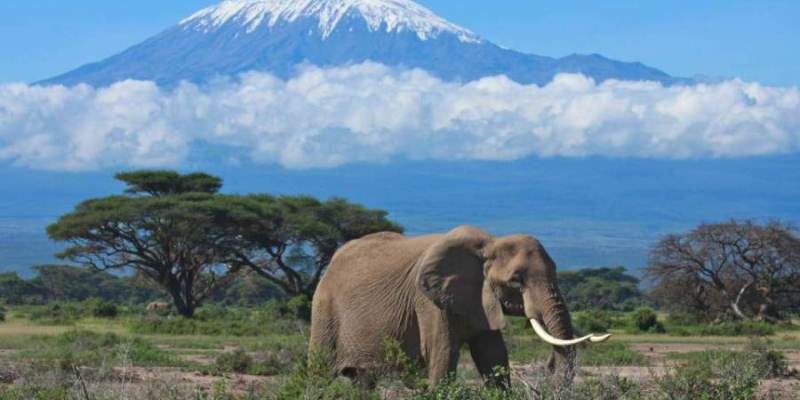
Mount Kilimanjaro Hiking Adventure: An Ultimate Guide to Climbing Africa’s Highest Mountain
Discover the ultimate Mount Kilimanjaro hiking adventure in Tanzania. Standing at 5,895 metres above sea level, Mount Kilimanjaro is Africa’s highest mountain and one of the world’s most iconic trekking destinations. Located in northern Tanzania, this magnificent mountain attracts hikers, adventurers and nature enthusiasts from around the world who dream of reaching Uhuru Peak, the highest point on the African continent.
A Mount Kilimanjaro climbing adventure offers much more than reaching a mountain summit. It is a remarkable journey through different climatic zones, from lush tropical rainforest and beautiful moorlands to dramatic alpine deserts and spectacular snow-covered summit landscapes.
Whether you are an experienced hiker or a first-time mountain climber looking for an extraordinary challenge, Kilimanjaro offers several trekking routes to suit different fitness levels, schedules and adventure preferences.
With experienced mountain guides, professional porters, proper preparation and an appropriate acclimatisation schedule, you can embark on an unforgettable journey to the Roof of Africa.
Why Choose Mount Kilimanjaro for Your Hiking Adventure?
Mount Kilimanjaro is one of the most rewarding hiking destinations in Africa. Unlike many other high mountains, climbing its established trekking routes does not require technical mountaineering skills, ropes or specialised climbing equipment.
The mountain offers several reasons why it remains a favourite destination among international adventure travellers.
Africa’s Highest Mountain: Reaching Uhuru Peak at 5,895 metres is an extraordinary personal achievement and an opportunity to stand at the highest point in Africa.
Diverse Natural Landscapes: Climbers experience tropical rainforest, heathland, moorland, alpine desert and an arctic summit environment during one expedition.
Multiple Trekking Routes: Different routes offer different landscapes, hiking durations, accommodation arrangements and acclimatisation opportunities.
Spectacular Mountain Scenery: Enjoy breathtaking views of glaciers, volcanic formations, mountain valleys and the surrounding Tanzanian landscape.
Wildlife and Nature: The lower forest slopes support a variety of birds, monkeys and other forest wildlife.
A Combination of Adventure and Wildlife: Kilimanjaro climbing can be combined with Tanzania wildlife safaris in Serengeti, Ngorongoro, Tarangire and Lake Manyara.
Understanding the Different Climatic Zones of Mount Kilimanjaro
One of the most fascinating experiences of climbing Mount Kilimanjaro is travelling through several ecological zones as you gradually gain altitude.
1. Cultivation and Rainforest Zone
The lower mountain slopes are characterised by agricultural landscapes and tropical rainforest. The vegetation is dense, with tall trees, ferns, mosses and beautiful forest trails.
Hikers may encounter black-and-white colobus monkeys, blue monkeys and numerous bird species along the lower mountain trails.
2. Moorland Zone
As the trail rises above the rainforest, the vegetation changes into open moorland. This zone is characterised by giant groundsels, lobelias, grasses and distinctive mountain plants.
The open landscapes provide spectacular views of the mountain and surrounding valleys.
3. Alpine Desert Zone
At higher elevations, the landscape becomes increasingly dry and rocky. Vegetation becomes scarce, and temperatures can change dramatically between daytime and nighttime.
This section of the mountain is particularly important for acclimatisation as hikers prepare for the final summit attempt.
4. Arctic Summit Zone
The highest section of Kilimanjaro features glaciers, ice formations, snow and extremely cold conditions.
The thin air and challenging temperatures make the final ascent physically demanding. Reaching Uhuru Peak at 5,895 metres is the ultimate achievement of the expedition.
Best Mount Kilimanjaro Hiking Routes
Mount Kilimanjaro has several established climbing routes, each offering a different mountain experience.
Machame Route – 6 to 7 Days
The Machame Route, popularly known as the Whiskey Route, is one of the most popular ways to climb Kilimanjaro.
It approaches the mountain from the southern side and offers spectacular landscapes, including rainforest, moorland, the Shira Plateau and the famous Barranco Wall.
The seven-day itinerary is particularly attractive because it provides more time for acclimatisation than the shorter version.
Lemosho Route – 7 to 8 Days
The Lemosho Route is one of the most scenic approaches to the summit. Starting from the western side of the mountain, it offers beautiful rainforest landscapes, the Shira Plateau and panoramic mountain views.
Its longer itinerary allows hikers more time to adjust to increasing altitude, making it an excellent option for first-time climbers.
Marangu Route – 5 to 6 Days
Known as the Coca-Cola Route, Marangu is the only standard Kilimanjaro route with mountain hut accommodation.
The trail approaches the mountain from the southeast and passes through rainforest, moorland and alpine landscapes.
Although it is often considered a straightforward route, its shorter itineraries provide less time for acclimatisation. A six-day itinerary is generally preferable to the five-day option.
Rongai Route – 6 to 7 Days
The Rongai Route approaches Kilimanjaro from the northern side near the Kenyan border.
It is an excellent choice for travellers looking for a quieter trekking experience and a different perspective of the mountain.
The northern approach is generally drier than the southern slopes, although weather conditions remain variable.
Northern Circuit Route – 8 to 9 Days
The Northern Circuit is the longest established route on Kilimanjaro and provides an excellent opportunity to experience the mountain’s remote landscapes.
It begins on the western side before gradually circling towards the northern slopes and eventually approaching the summit.
The longer duration offers valuable acclimatisation opportunities and is an excellent option for climbers who have sufficient time.
Umbwe Route – 6 to 7 Days
Umbwe is a steep and challenging approach to the mountain, generally recommended for experienced hikers who are comfortable with demanding terrain.
Because of its rapid elevation gain, it is less suitable for climbers who need a gradual acclimatisation schedule.
Sample 7-Day Mount Kilimanjaro Machame Route Itinerary
The seven-day Machame Route is an excellent option for travellers looking for a combination of adventure, scenery and acclimatisation.
Day 1: Machame Gate to Machame Camp
After breakfast in Moshi or Arusha, drive to Machame Gate for registration and the beginning of your expedition.
The hike starts through beautiful tropical rainforest, where you will encounter tall trees, moss-covered vegetation and potentially several forest bird species.
After several hours of hiking, arrive at Machame Camp for dinner and overnight accommodation.
Day 2: Machame Camp to Shira Camp
After breakfast, continue climbing through the heathland and moorland zones.
The forest gradually disappears as the landscape opens into beautiful mountain scenery.
Arrive at Shira Camp, where you can enjoy spectacular views of the surrounding landscape and Mount Kilimanjaro.
Day 3: Shira Camp to Lava Tower to Barranco Camp
This is an important acclimatisation day.
The trail climbs towards Lava Tower at approximately 4,630 metres before descending towards Barranco Camp.
The climb high and sleep low approach helps your body adjust to the increasing altitude.
The day also offers beautiful views of the mountain’s volcanic landscape and the impressive Barranco Valley.
Day 4: Barranco Camp to Karanga Camp
Begin the day by climbing the famous Barranco Wall.
Although it looks challenging, it is a trekking scramble rather than a technical rock-climbing section.
After reaching the top, continue across the mountain ridges and valleys towards Karanga Camp.
Enjoy dinner and overnight accommodation at camp.
Day 5: Karanga Camp to Barafu Camp
Continue ascending through the alpine desert towards Barafu Camp.
This is the final base camp before the summit attempt.
After arriving, take time to rest, hydrate and prepare your equipment for the night climb.
Dinner is served early before resting for the summit attempt.
Day 6: Barafu Camp to Uhuru Peak to Mweka Camp
The summit attempt usually begins around midnight.
Follow your mountain guide through the darkness towards Stella Point, located at approximately 5,756 metres.
Continue along the crater rim towards Uhuru Peak, the highest point in Africa at 5,895 metres.
Celebrate your achievement, take photographs and enjoy the extraordinary summit views before beginning the descent.
Descend towards Barafu Camp and continue to Mweka Camp for overnight accommodation, depending on the operator’s itinerary and climbers’ condition.
Day 7: Mweka Camp to Mweka Gate
After breakfast, descend through the rainforest towards Mweka Gate.
Complete the mountain registration and receive your summit certificate if you successfully reached the summit.
Your vehicle will meet you for the transfer back to Moshi or Arusha.
The expedition ends with an unforgettable achievement: climbing Africa’s highest mountain.
Best Time to Climb Mount Kilimanjaro
Mount Kilimanjaro can be climbed throughout the year, although some months generally offer better trekking conditions.
January to March: Generally favourable climbing conditions, with colder temperatures and possible snowfall at higher elevations.
April to May: The long rainy season makes some mountain trails wetter and more challenging.
June to October: One of the most popular climbing periods, with generally drier conditions and favourable trekking weather.
November to December: The short rainy season can bring occasional rainfall, although climbing remains possible.
January, February, July, August, September and early October are popular periods for Kilimanjaro climbing.
Weather conditions can change quickly on the mountain, so climbers should always prepare for rain, cold temperatures and strong winds.
Physical Preparation for a Kilimanjaro Hiking Adventure
Although technical climbing experience is not necessary, climbing Mount Kilimanjaro requires good physical preparation.
Before travelling to Tanzania, consider preparing through:
- Regular hiking on hills and uneven terrain.
- Cardiovascular exercises such as cycling, running and swimming.
- Long-distance walking with a backpack.
- Strength training for your legs and core.
- Practising several consecutive days of hiking.
- Training with the hiking boots you intend to use on the mountain.
It is also important to develop a comfortable walking pace and learn how to manage your energy during long hiking days.
The Swahili expression “pole pole”, meaning slowly, is one of the most important principles of climbing Kilimanjaro.
Essential Equipment for Climbing Mount Kilimanjaro
Proper hiking equipment is essential for a safe and comfortable mountain expedition.
Clothing
- Waterproof hiking jacket.
- Waterproof trousers.
- Thermal base layers.
- Fleece jacket.
- Insulated down jacket.
- Hiking trousers.
- Moisture-wicking shirts.
- Warm gloves and summit mittens.
- Warm hat and sun hat.
- Hiking socks.
Hiking Equipment
- Waterproof hiking boots.
- Day backpack.
- Duffel bag.
- Trekking poles.
- Headlamp with spare batteries.
- Sleeping bag suitable for freezing temperatures.
- Sunglasses.
- Water bottles or hydration system.
- Sunscreen and lip balm.
Personal Essentials
- Toiletries.
- Personal medication.
- Basic first-aid supplies.
- Energy snacks.
- Electrolyte supplements.
- Camera or smartphone.
- Personal identification and travel documents.
Your mountain operator should explain which equipment is provided and which items you need to bring or rent.
Safety and Altitude Acclimatisation
Altitude is one of the most important challenges when climbing Mount Kilimanjaro.
As you gain elevation, the available oxygen decreases, making physical activities more demanding and increasing the risk of altitude-related illnesses.
To improve your safety:
- Choose an itinerary with sufficient acclimatisation time.
- Walk slowly and avoid unnecessary physical exertion.
- Drink fluids regularly.
- Inform your guide immediately about headaches, nausea, dizziness or unusual fatigue.
- Follow the mountain guide’s instructions.
- Never continue ascending when experiencing suspected altitude sickness without medical assessment.
Severe symptoms such as confusion, difficulty walking straight or breathlessness at rest require immediate medical attention and descent.
No route guarantees a successful summit, and climbers should be prepared to turn around when their health requires it.
Mountain Guides, Porters and Climbing Support
Climbing Kilimanjaro requires an organised mountain expedition through a licensed operator.
Your climbing team normally includes professional mountain guides, assistant guides, porters and cooks.
The lead guide supervises the expedition, monitors climbers and makes important decisions concerning mountain safety.
Assistant guides support the group, while porters transport camping equipment, food and other essential supplies.
The mountain cook prepares meals throughout the expedition, ensuring that climbers receive appropriate food and refreshments.
Mountain crew members play an important role in making the Kilimanjaro experience possible.
How Much Does a Mount Kilimanjaro Hiking Adventure Cost?
The cost of climbing Kilimanjaro depends on the route, number of days, group size, operator standards and services included.
Some of the main cost components include:
- Tanzania National Parks conservation fees.
- Camping or mountain hut fees.
- Mountain crew wages.
- Meals and drinking water.
- Transport to and from the mountain.
- Mountain tents and sleeping arrangements where applicable.
- Rescue-related charges.
- Hotel accommodation before and after climbing.
- Equipment rental where necessary.
Request an itemised quotation to understand the complete cost of your expedition.
It is also important to confirm whether gratuities, airport transfers, travel insurance and personal equipment are included.
Combining Mount Kilimanjaro Hiking with a Tanzania Wildlife Safari
One of the best ways to extend your Tanzanian adventure is by combining Kilimanjaro climbing with a wildlife safari.
After reaching Uhuru Peak, you can spend additional days exploring the country’s famous national parks.
Serengeti National Park
Explore the endless plains of Serengeti National Park, famous for its extraordinary wildlife populations, large predator concentrations and the annual wildebeest migration.
Depending on the season, you may witness wildebeest herds crossing rivers, moving across the grasslands or giving birth during the calving season.
Ngorongoro Crater
Discover the spectacular Ngorongoro Crater, one of Tanzania’s most remarkable wildlife destinations.
The crater floor offers opportunities to see lions, elephants, buffaloes, zebras, wildebeest and the endangered black rhinoceros.
Tarangire National Park
Tarangire is famous for its impressive elephant populations, ancient baobab trees and beautiful savannah landscapes.
It is an excellent destination for travellers looking for a rewarding wildlife safari after their mountain adventure.
Lake Manyara National Park
Lake Manyara offers beautiful forest scenery, diverse birdlife, elephants and opportunities to spot the famous tree-climbing lions.
A combination of Kilimanjaro hiking and northern Tanzania wildlife safaris provides a wonderful balance between physical adventure and wildlife exploration.
Frequently Asked Questions About Mount Kilimanjaro Hiking
1. How high is Mount Kilimanjaro?
Mount Kilimanjaro stands at 5,895 metres (19,341 feet) above sea level and is the highest mountain in Africa.
2. How many days does it take to climb Kilimanjaro?
Most climbing expeditions take between five and nine days, depending on the route. Longer itineraries are generally preferable for acclimatisation.
3. Can beginners climb Mount Kilimanjaro?
Yes. Beginners with reasonable physical fitness and proper preparation can attempt Kilimanjaro. Choosing an appropriate route and longer itinerary is important.
4. Which is the best route for first-time climbers?
The seven- or eight-day Lemosho Route and seven-day Machame Route are excellent choices for many first-time climbers.
5. Do I need technical climbing experience?
No. Standard trekking routes do not require technical mountaineering skills, although good physical fitness and preparation are important.
6. Is Mount Kilimanjaro covered in snow?
The summit region has glaciers and ice formations. Snowfall and ice conditions vary depending on the weather and season.
7. Where does the Kilimanjaro hiking adventure begin?
Most expeditions begin in Moshi or Arusha, followed by a transfer to the relevant mountain entrance gate.
8. Can I climb Kilimanjaro without a guide?
No. Climbers must organise their expedition through an authorised mountain operator with qualified guides.
9. What is the best month to climb Kilimanjaro?
January, February and the June to October period generally offer favourable climbing conditions, although the weather can change at any time.
10. Can I combine Kilimanjaro hiking with a Serengeti safari?
Yes. Many visitors combine their mountain expedition with Serengeti, Ngorongoro, Tarangire and other northern Tanzania safari destinations.
Book Your Mount Kilimanjaro Hiking Adventure
A Mount Kilimanjaro hiking adventure is an extraordinary opportunity to challenge yourself, explore Tanzania’s beautiful mountain landscapes and experience the satisfaction of reaching the highest point in Africa.
Whether you prefer the scenic Lemosho Route, the popular Machame Route, the northern Rongai approach or the longer Northern Circuit, we can help you organise a suitable climbing itinerary.
Our Tanzania adventure team can assist with mountain climbing arrangements, route selection, accommodation, airport transfers, equipment arrangements and optional wildlife safari extensions.
Are you ready to climb Mount Kilimanjaro?
Contact our team today to start planning your adventure to Uhuru Peak and experience the unforgettable beauty of Africa’s highest mountain.