
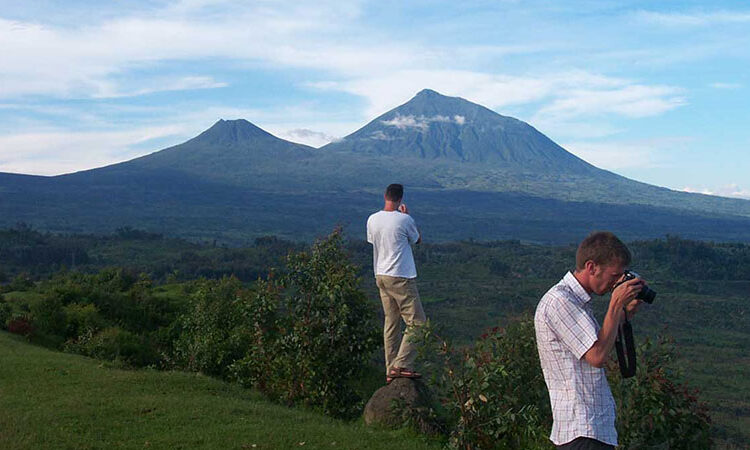
15-Day Kilimanjaro Hiking and Serengeti Great Migration Safari
Climb Mount Kilimanjaro and experience the spectacular Serengeti Great Wildebeest Migration on a 15-day Tanzania adventure combining mountain trekking, wildlife encounters and unforgettable African landscapes.
Safari and Climbing Overview
This 15-day Tanzania adventure combines two of Africa’s most extraordinary travel experiences: climbing Mount Kilimanjaro and witnessing the Great Wildebeest Migration in Serengeti National Park.
The adventure begins with a seven-day trek along the scenic Machame Route, one of the most popular climbing routes on Kilimanjaro. The route takes you through tropical rainforest, moorland, alpine desert and spectacular mountain landscapes before reaching Uhuru Peak at 5,895 metres above sea level.
After descending the mountain, enjoy a recovery day in Moshi before beginning your Northern Tanzania wildlife safari.
The wildlife adventure takes you through Tarangire National Park, Ngorongoro Crater and Serengeti National Park. The Serengeti experience is planned around the seasonal movement of the Great Migration, giving you opportunities to encounter enormous wildebeest herds, zebras, predators and other wildlife.
Whether you want to experience the wildebeest calving season in southern Serengeti or the spectacular Mara River crossing season in northern Serengeti, the itinerary can be adjusted to match your travel dates.
15-Day Itinerary at a Glance
| Day | Destination | Main Activity | Accommodation |
|---|---|---|---|
| 1 | Arrival in Tanzania | Airport transfer and briefing | Hotel in Moshi |
| 2 | Machame Gate – Machame Camp | Start Kilimanjaro trek | Mountain camp |
| 3 | Machame Camp – Shira Camp | Hiking through moorland | Mountain camp |
| 4 | Shira Camp – Lava Tower – Barranco Camp | Acclimatization hike | Mountain camp |
| 5 | Barranco Camp – Karanga Camp | Barranco Wall hiking | Mountain camp |
| 6 | Karanga Camp – Barafu Camp | Preparation for summit | Mountain camp |
| 7 | Barafu – Uhuru Peak – Mweka Camp | Summit Mount Kilimanjaro | Mountain camp |
| 8 | Mweka Camp – Mweka Gate – Moshi | Descend and receive certificate | Hotel in Moshi |
| 9 | Moshi | Recovery and relaxation | Hotel in Moshi |
| 10 | Moshi – Tarangire National Park | Wildlife game drive | Safari lodge or campsite |
| 11 | Tarangire – Ngorongoro Crater | Big Five wildlife safari | Karatu lodge |
| 12 | Ngorongoro – Serengeti | Transfer and migration game drive | Serengeti camp |
| 13 | Serengeti National Park | Great Migration safari | Serengeti camp |
| 14 | Serengeti National Park | Full-day migration exploration | Serengeti camp |
| 15 | Serengeti – Arusha | Flight transfer and departure | End of safari |
Detailed 15-Day Kilimanjaro and Serengeti Migration Itinerary
Day 1: Arrival at Kilimanjaro International Airport – Moshi
Upon arrival at Kilimanjaro International Airport, you will be welcomed by your representative and transferred to your hotel in Moshi, a beautiful town located at the foot of Mount Kilimanjaro.
Depending on your arrival time, enjoy a relaxed afternoon exploring Moshi or resting at your hotel.
In the evening, meet your mountain guide for a pre-climbing briefing. Your guide will explain the trekking arrangements, equipment requirements, altitude considerations and mountain safety procedures.
Your climbing team will also check your personal equipment to ensure you have everything required for the seven-day adventure.
Accommodation: Hotel in Moshi.
Day 2: Machame Gate – Machame Camp
After breakfast, depart Moshi and drive to Machame Gate, where you will complete the necessary registration procedures before beginning your climb.
The Machame Route starts through the beautiful tropical rainforest on the southern slopes of Mount Kilimanjaro.
The trail passes through dense vegetation, giant trees, moss-covered branches and a variety of mountain birdlife.
As you gradually gain elevation, you will notice changes in vegetation and temperature.
After approximately 5–7 hours of hiking, depending on your pace, arrive at Machame Camp, where your mountain crew will have prepared your tents and dinner.
Trekking highlights:
- Walking through Kilimanjaro’s tropical rainforest.
- Exploring the lower mountain vegetation.
- Enjoying spectacular views of the mountain landscape.
Accommodation: Machame Camp.
Day 3: Machame Camp – Shira Camp
After breakfast, continue climbing towards the Shira Plateau.
The trail gradually leaves the rainforest behind and enters the heath and moorland vegetation zone.
As you gain altitude, the landscape becomes more open, offering spectacular views of Mount Meru and the surrounding mountain scenery on clear days.
Continue towards Shira Camp, situated on the beautiful Shira Plateau.
Upon arrival, enjoy dinner and rest while your guide monitors your health and altitude adaptation.
Trekking highlights:
- Exploring the heath and moorland vegetation.
- Panoramic views of the Shira Plateau.
- Opportunities to photograph Kilimanjaro’s changing landscapes.
Accommodation: Shira Camp.
Day 4: Shira Camp – Lava Tower – Barranco Camp
Today is an important acclimatization day on the Machame Route.
After breakfast, leave Shira Camp and continue towards Lava Tower, reaching approximately 4,600 metres above sea level.
This section follows the climbing principle of climbing high and sleeping low, helping your body adapt to the increasing altitude.
Enjoy lunch around Lava Tower before descending towards Barranco Camp.
The descent provides spectacular views of the mountain’s southern slopes, including the impressive Barranco Valley.
Upon arrival at camp, enjoy dinner and prepare for the following day’s adventure.
Trekking highlights:
- Hiking towards Lava Tower.
- Acclimatization at higher elevations.
- Spectacular views of the alpine desert.
- Exploring the dramatic Barranco landscape.
Accommodation: Barranco Camp.
Day 5: Barranco Camp – Karanga Camp
After breakfast, begin the day by climbing the famous Barranco Wall.
Although this section looks intimidating from below, it is a non-technical scrambling route that can be completed with assistance and guidance from your mountain crew.
At the top, enjoy impressive views of the surrounding mountain scenery before continuing across ridges and valleys towards Karanga Camp.
This is a relatively short trekking day designed to support acclimatization and prepare you for the higher elevations ahead.
Spend the afternoon relaxing at camp and enjoying the mountain environment.
Trekking highlights:
- Climbing the Barranco Wall.
- Spectacular views of Kilimanjaro’s glaciers.
- Hiking across alpine valleys and ridges.
Accommodation: Karanga Camp.
Day 6: Karanga Camp – Barafu Camp
Today, continue towards Barafu Camp, your final base before attempting the summit.
The trail gradually climbs through alpine desert terrain, with limited vegetation and increasingly dramatic mountain scenery.
Upon reaching Barafu Camp, enjoy lunch and spend the afternoon resting.
Your mountain guide will conduct a summit briefing, explaining the final ascent, expected weather conditions, equipment requirements and safety procedures.
Dinner is served early because the summit attempt normally begins around midnight.
Trekking highlights:
- Exploring the alpine desert.
- Views of the Kibo and Mawenzi peaks.
- Preparing for the final Kilimanjaro summit ascent.
Accommodation: Barafu Camp.
Day 7: Barafu Camp – Uhuru Peak – Mweka Camp
Today is the most challenging and rewarding day of your Kilimanjaro adventure.
Around midnight, begin the final ascent towards Uhuru Peak, the highest point in Africa.
The climb takes you through steep volcanic scree and rocky terrain towards Stella Point on the crater rim.
After reaching Stella Point, continue towards Uhuru Peak at 5,895 metres.
Standing at the summit is a remarkable achievement, offering breathtaking views of the surrounding glaciers and the African landscape below.
Celebrate your achievement, take photographs and enjoy the moment before beginning your descent.
Descend towards Barafu Camp for a short rest and continue to Mweka Camp, where you will spend your final night on the mountain.
Trekking highlights:
- Summit attempt during the early morning.
- Reaching Uhuru Peak at 5,895 metres.
- Sunrise views over the African landscape.
- Descending through the mountain’s alpine zones.
Accommodation: Mweka Camp.
Day 8: Mweka Camp – Mweka Gate – Moshi
After breakfast, begin your final descent through Kilimanjaro’s beautiful rainforest.
The trail takes you towards Mweka Gate, where you will complete the necessary park procedures and receive your climbing certificate.
Your vehicle will meet you at the gate for the transfer back to Moshi.
Upon arrival, check into your hotel and enjoy a well-deserved shower, dinner and overnight rest.
Accommodation: Hotel in Moshi.
Day 9: Moshi – Recovery and Relaxation
After completing the Kilimanjaro climb, enjoy a relaxing day in Moshi.
This day is important because it allows you to recover from the physical demands of the mountain before beginning your wildlife safari.
You can spend the day relaxing at your hotel, enjoying a massage or exploring Moshi town.
Optional activities include:
- Visiting a local coffee farm.
- Exploring traditional Chagga villages.
- Visiting Materuni Waterfalls, subject to your recovery and fitness.
- Enjoying views of Mount Kilimanjaro on a clear day.
In the evening, meet your safari guide for a briefing about the upcoming wildlife adventure and the Serengeti Great Migration.
Accommodation: Hotel in Moshi.
Day 10: Moshi – Tarangire National Park
After breakfast, depart Moshi for Tarangire National Park.
Tarangire is famous for its large elephant herds, ancient baobab trees and diverse wildlife.
Enjoy a game drive through the park, following the Tarangire River, which attracts many animals, particularly during the dry season.
Look out for elephants, lions, giraffes, zebras, wildebeest, buffaloes, impalas and numerous bird species.
After your game drive, proceed to your selected safari lodge or campsite for dinner and overnight accommodation.
Accommodation: Safari lodge or public campsite near Tarangire.
Day 11: Tarangire – Ngorongoro Crater – Karatu
After breakfast, travel towards the Ngorongoro Conservation Area.
Descend into the spectacular Ngorongoro Crater for an extensive wildlife game drive.
The crater is one of Tanzania’s most remarkable wildlife destinations and provides excellent opportunities to encounter the Big Five.
Wildlife sightings may include:
- African elephants.
- Lions.
- Cape buffaloes.
- Black rhinoceros.
- Spotted hyenas.
- Zebras and wildebeest.
- Hippos and flamingos.
Enjoy a picnic lunch in the crater before ascending and continuing to Karatu.
Spend the evening relaxing at your lodge in preparation for the Serengeti adventure.
Accommodation: Budget lodge in Karatu.
Day 12: Karatu – Serengeti National Park
After breakfast, depart Karatu and travel towards Serengeti National Park through the Ngorongoro Conservation Area.
As you enter the Serengeti ecosystem, the landscapes gradually open into vast grasslands that support enormous wildlife populations.
The route and overnight location will depend on your travel month and the likely location of the Great Migration.
For travellers visiting during the calving season, the southern Serengeti and Ndutu plains are particularly important.
During the western migration season, the itinerary can focus on the Western Corridor and Grumeti region.
For travellers visiting during the northern migration season, continue towards Kogatende and the Mara River area.
Enjoy an en-route game drive while searching for migrating wildebeest, zebras, lions, cheetahs and other wildlife.
Accommodation: Migration-focused Serengeti tented camp or lodge.
Day 13: Full-Day Great Migration Safari in Serengeti National Park
Spend the day exploring the Serengeti in search of the Great Wildebeest Migration.
The migration involves more than a million wildebeest, accompanied by large numbers of zebras and gazelles, moving through the Serengeti-Mara ecosystem in search of fresh grass and water.
Your safari guide will select the best game-drive routes based on the latest wildlife information and the seasonal movement of the herds.
Depending on your travel dates, you may experience:
Southern Serengeti and Ndutu: During the calving season, enormous herds gather on the short-grass plains, where thousands of wildebeest calves are born.
Western Serengeti and Grumeti: During the mid-year migration, herds move through the Western Corridor, with opportunities to observe the dramatic Grumeti River crossings.
Northern Serengeti and Mara River: During the northern migration season, large herds gather around the Mara River, where some attempt to cross waters inhabited by crocodiles.
Return to your camp or lodge after the day’s game drive.
Accommodation: Serengeti tented camp or lodge.
Day 14: Serengeti National Park – Great Migration Exploration
Enjoy another full day of wildlife exploration in Serengeti National Park.
Having an additional day in the Serengeti improves your opportunities to explore different wildlife areas and follow the movement of migrating herds.
Your guide will plan the day’s activities according to the seasonal migration location.
In addition to the wildebeest and zebras, keep an eye out for the Serengeti’s famous predators.
You may encounter:
- Lions hunting or resting in the grasslands.
- Leopards resting in acacia trees.
- Cheetahs searching for prey.
- Hyenas following migrating herds.
- Elephants and giraffes.
- Ostriches and other savannah bird species.
Enjoy a picnic lunch in the wilderness before continuing your afternoon game drive.
Return to your accommodation for dinner and your final night in the Serengeti.
Accommodation: Serengeti tented camp or lodge.
Day 15: Serengeti – Arusha – Departure
After breakfast, transfer to Seronera Airstrip or the appropriate seasonal airstrip for your scheduled flight to Arusha.
Depending on your international flight schedule, you may connect to Kilimanjaro International Airport or continue with an additional domestic flight arrangement.
This marks the end of your 15-day Mount Kilimanjaro hiking and Serengeti Great Migration adventure.
Understanding the Great Migration: Best Travel Months
The Great Migration is a seasonal wildlife movement influenced by rainfall, fresh grazing and water availability. The best Serengeti location depends on the month you intend to travel.
| Months | Migration Region | Main Experience |
|---|---|---|
| January–March | Southern Serengeti and Ndutu | Wildebeest calving season |
| April–May | Central and Western Serengeti | Herd movement through the plains |
| June–July | Western Corridor and Grumeti | Migration movement and possible river crossings |
| July–October | Northern Serengeti | Mara River crossing season |
| November–December | Central and Eastern Serengeti moving south | Return movement towards calving grounds |
The migration does not follow an exact calendar. Its timing and location can change depending on rainfall and grazing conditions.
Kilimanjaro Climbing Route: Why Choose Machame?
The Machame Route is one of the most popular ways to climb Mount Kilimanjaro.
It is sometimes called the Whiskey Route and is known for its scenic landscapes, varied vegetation and opportunities for altitude acclimatization.
The seven-day version is recommended over the shorter six-day option because it provides an additional acclimatization opportunity.
The route passes through several ecological zones:
- Tropical rainforest.
- Heath and moorland.
- Alpine desert.
- Arctic summit environment.
The route approaches Kilimanjaro from the southern slopes and descends via the Mweka Route.
Accommodation Arrangements
The package combines comfortable hotel accommodation, mountain camping and safari lodges or tented camps.
| Nights | Location | Accommodation |
|---|---|---|
| 1 | Moshi | Hotel |
| 2 | Machame Camp | Mountain camping |
| 3 | Shira Camp | Mountain camping |
| 4 | Barranco Camp | Mountain camping |
| 5 | Karanga Camp | Mountain camping |
| 6 | Barafu Camp | Mountain camping |
| 7 | Mweka Camp | Mountain camping |
| 8–9 | Moshi | Hotel |
| 10 | Tarangire area | Safari lodge or campsite |
| 11 | Karatu | Budget lodge |
| 12–14 | Serengeti | Migration-focused tented camp or lodge |
Kilimanjaro Climbing Package Inclusions
- Kilimanjaro National Park fees.
- Licensed mountain guides.
- Mountain porters and mountain cook.
- Seven-day Machame Route trek.
- Mountain tents and sleeping arrangements.
- Meals during the climb.
- Drinking water during the trek.
- Airport transfers, as agreed.
- Hotel accommodation before and after the climb.
- Rescue arrangements according to park regulations.
- Summit certificate for successful climbers.
Serengeti Migration Safari Inclusions
- Private 4×4 safari Land Cruiser.
- Professional English-speaking safari driver-guide.
- Five-day safari programme.
- Tarangire National Park game drive.
- Ngorongoro Crater game drive.
- Three nights in the Serengeti.
- Safari accommodation and meals as agreed.
- Park and conservation fees.
- Ngorongoro Crater vehicle and descent fees.
- Domestic flight from Serengeti to Arusha, if included in the final quotation.
- Drinking water during game drives.
Package Exclusions
- International flights.
- Tanzania visa.
- Personal travel insurance.
- Personal climbing equipment.
- Tips for mountain guides and porters.
- Alcoholic beverages.
- Personal expenses.
- Optional activities.
- Additional hotel accommodation.
- Any services not specifically included in the final quotation.
Important Preparation Tips
Physical Fitness
Climbing Kilimanjaro requires good physical preparation. Regular hiking, walking, cardiovascular exercise and endurance training are recommended before travelling.
Altitude Acclimatization
Altitude sickness is one of the main challenges of climbing Kilimanjaro. Follow your guide’s instructions, maintain a slow walking pace, stay hydrated and report any symptoms immediately.
Climbing Equipment
Essential equipment includes:
- Waterproof hiking boots.
- Thermal base layers.
- Warm jacket and insulated clothing.
- Waterproof hiking trousers.
- Gloves and warm hat.
- Sleeping bag suitable for sub-zero mountain temperatures.
- Trekking poles.
- Headlamp.
- Sunglasses and sunscreen.
- Personal medication and first-aid supplies.
Migration Planning
Choose your travel month before confirming the safari. This allows your operator to select the most suitable Serengeti region and accommodation for the expected migration movement.
River crossings and individual wildlife sightings cannot be guaranteed.
Frequently Asked Questions
1. Can I combine Kilimanjaro hiking and Serengeti migration in 15 days?
Yes. A seven-day Machame climb, one recovery day and a five-day Northern Tanzania safari can be combined into a 15-day itinerary, including arrival and departure.
2. Which Kilimanjaro route is best for this safari?
The seven-day Machame Route is an excellent choice because it offers beautiful scenery and a useful acclimatization profile.
3. When is the best time to combine Kilimanjaro hiking with the Great Migration?
July to October is particularly attractive for travellers interested in northern Serengeti and possible Mara River crossings. January to March is ideal for those interested in the wildebeest calving season in southern Serengeti.
4. Can I see the Mara River crossings?
Yes, the northern Serengeti offers opportunities to witness the Mara River crossings, especially during July to October. However, crossings are unpredictable and cannot be guaranteed.
5. Is Kilimanjaro difficult to climb?
Kilimanjaro is a challenging high-altitude trek, although no technical climbing skills are normally required on the Machame Route. Good physical preparation and appropriate acclimatization are essential.
6. Can I add Ngorongoro Crater to this itinerary?
Yes. This itinerary already includes a Ngorongoro Crater game drive between Tarangire and Serengeti, adding another major wildlife experience to the adventure.
Book Your 15-Day Kilimanjaro and Serengeti Migration Adventure
Combine the achievement of reaching the highest mountain in Africa with the excitement of witnessing one of the world’s greatest wildlife spectacles.
Our 15-day Kilimanjaro hiking and Serengeti Great Migration safari offers an exceptional opportunity to experience Tanzania’s mountains, wildlife and natural landscapes in one unforgettable journey.
Whether you want to climb Kilimanjaro during the northern migration season or combine your mountain adventure with the southern Serengeti calving season, we can customize the itinerary around your preferred travel dates.
Contact our safari and mountain climbing team to receive a customized itinerary and quotation.