
Queen Elizabeth National Park Tree-Climbing Lions Safari: Discover Uganda’s Extraordinary Lions
An Unforgettable Encounter with Uganda’s Famous Tree-Climbing Lions
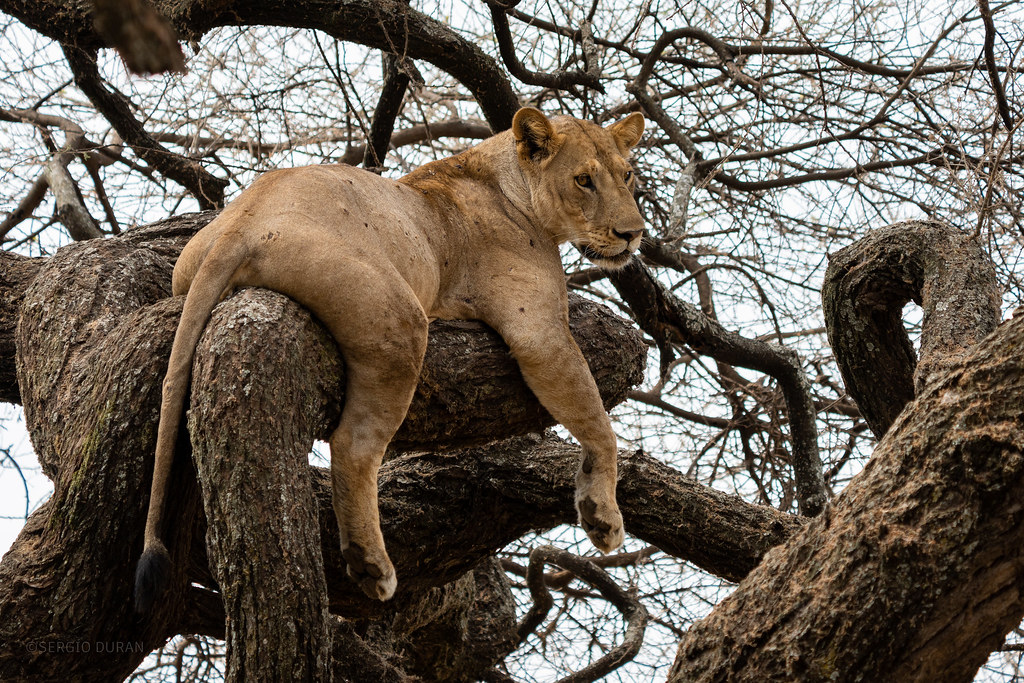
Imagine driving across the golden savannah plains of southwestern Uganda when your safari guide suddenly stops beside a large fig tree. High above the ground, comfortably resting on thick branches, is a magnificent lioness watching the surrounding grasslands. Nearby, another lion lazily stretches across a neighbouring branch.
This is one of the most extraordinary wildlife experiences awaiting visitors to Queen Elizabeth National Park in Uganda.
While lions are commonly associated with resting beneath trees or in shaded grasslands, a population in the Ishasha Sector of Queen Elizabeth National Park has become famous for its unusual tree-climbing behaviour. These remarkable predators occasionally climb large fig trees, creating some of Africa’s most memorable wildlife photography opportunities.
For travellers seeking a unique African safari, seeing tree-climbing lions in Uganda is an experience that deserves special attention. Beyond the excitement of spotting these magnificent cats, the adventure introduces visitors to the beautiful savannah landscapes, diverse wildlife and fascinating ecosystems of southwestern Uganda.
At Graceland Adventurous, we organise unforgettable Uganda wildlife safaris, giving travellers opportunities to discover the country’s most remarkable natural attractions, including the famous tree-climbing lions of Queen Elizabeth National Park.
Where to See Tree-Climbing Lions in Uganda
The best-known place to encounter Uganda’s tree-climbing lions is the Ishasha Sector of Queen Elizabeth National Park, situated in the southwestern part of the country.
Ishasha is characterised by extensive savannah grasslands, scattered acacia trees, large sycamore fig trees and beautiful riverine vegetation. These landscapes provide suitable habitats for several wildlife species, but the tree-climbing lions remain the area’s most celebrated attraction.
During game drives, visitors explore the open plains and woodland habitats in search of these extraordinary predators. With some luck, lions may be spotted resting high above the ground on the branches of large trees.
The sight of a fully grown lion comfortably positioned in a tree is unusual and fascinating, particularly for travellers experiencing their first African safari.
The Ishasha Sector also provides an excellent opportunity to encounter other wildlife, including elephants, buffaloes, Uganda kob, topi antelopes, waterbucks and numerous bird species.
Its location makes it particularly attractive for visitors combining a Queen Elizabeth National Park wildlife safari with mountain gorilla trekking in nearby Bwindi Impenetrable National Park.
Why Do Lions Climb Trees in Queen Elizabeth National Park?
One of the most fascinating aspects of visiting Ishasha is discovering why some lions have developed the unusual habit of climbing trees.
Although tree climbing is not common among all lion populations, the behaviour has been documented in Ishasha and has made Uganda internationally famous among wildlife enthusiasts.
Several possible explanations have been suggested.
1. Escaping the Heat
The Ishasha savannah can become hot during the day. Climbing into large trees may provide lions with access to shaded resting places and cooler breezes above the ground.
2. Avoiding Biting Insects
Another popular explanation is that tree climbing may help lions avoid biting insects, including tsetse flies, which can be troublesome in some grassland environments.
3. Enjoying an Elevated Resting Place
The thick branches of large fig trees provide suitable resting positions. Lions can relax above the ground while observing the surrounding landscape.
4. Observing Wildlife and Their Surroundings
From elevated positions, lions can observe movements across the savannah and monitor the activities of nearby animals.
5. A Behaviour Learned by Younger Lions
Young lions may learn tree-climbing behaviour by observing older members of their pride. This may help explain how the unusual habit continues within the local lion population.
These are possible explanations rather than scientifically established conclusions. The exact reasons behind the behaviour may involve several environmental and behavioural factors.
Best Time to See Tree-Climbing Lions in Ishasha
Queen Elizabeth National Park can be visited throughout the year, but certain seasons generally offer more favourable conditions for wildlife viewing.
The dry seasons, particularly June to September and December to February, are popular among safari travellers. During these periods, vegetation is often shorter, roads are generally easier to navigate and wildlife viewing can be more comfortable.
The rainy seasons, particularly March to May and October to November, bring greener landscapes and excellent photography opportunities. However, some game-drive tracks can become muddy.
For visitors specifically interested in seeing lions resting in trees, late morning and early afternoon game drives are worth considering. Lions may seek shaded resting places during the warmer hours of the day.
Morning game drives are also valuable because they offer opportunities to encounter lions before they settle down to rest.
Since these are wild animals, there is no guaranteed time or season for spotting them in trees. Having sufficient time in Ishasha and exploring with an experienced safari guide can improve your opportunities.
What to Expect During an Ishasha Tree-Climbing Lion Safari
A typical tree-climbing lion safari begins with a game drive through the Ishasha savannah.
As you travel across the grasslands, your guide searches for wildlife activity, fresh animal tracks and trees that are frequently used by lions.
The large fig trees are particularly interesting because their thick branches can support resting lions. Visitors may encounter individual lions or several members of a pride resting together.
The experience is particularly exciting when lions are positioned high enough to provide clear views and excellent photography opportunities.
Apart from the lions, the game drive offers opportunities to observe the natural interactions between predators and prey species across the savannah.
You may encounter herds of Uganda kob grazing in the grasslands, buffaloes moving through the woodland and elephants crossing the open plains.
Every game drive is different, making each search for the famous tree-climbing lions a unique wildlife adventure.
Other Wildlife to See During Your Tree-Climbing Lion Safari
Although tree-climbing lions are the main attraction, Ishasha supports a rich variety of wildlife that makes every game drive rewarding.
Visitors may encounter:
- African elephants: These magnificent animals are regularly seen moving through the savannah and woodland.
- Cape buffaloes: Large herds can be spotted grazing across open grasslands.
- Uganda kob: These beautiful antelopes are particularly important prey animals for local predators.
- Topi antelopes: Recognisable by their reddish-brown coats, topi are frequently encountered in the grasslands.
- Waterbucks: These antelopes are often associated with areas near water.
- Warthogs: These interesting animals can be seen feeding and moving across the plains.
- Hippos: The Ishasha River provides habitat for hippos and other aquatic wildlife.
- Birds: The area’s woodland, grassland and riverine habitats support numerous bird species.
The combination of predators, herbivores and beautiful savannah landscapes makes Ishasha an excellent destination for wildlife photographers and nature enthusiasts.
Top Activities to Enjoy Around Queen Elizabeth National Park
A visit to Ishasha can be extended into a broader wildlife adventure through Queen Elizabeth National Park.
1. Tree-Climbing Lion Game Drives
The main attraction is searching for lions resting in the branches of large fig trees.
Game drives are conducted in designated areas with opportunities to explore the savannah and woodland habitats where these lions are commonly encountered.
2. Kazinga Channel Boat Safari
The famous Kazinga Channel connects Lake George and Lake Edward and is known for its impressive concentration of aquatic wildlife.
A boat safari offers opportunities to see hippos, Nile crocodiles, elephants, buffaloes and numerous waterbirds.
It is an excellent activity to combine with the Ishasha lion experience.
3. Kasenyi Plains Game Drives
The Kasenyi Plains offer additional wildlife-viewing opportunities, particularly for visitors interested in spotting lions, Uganda kob, elephants and buffaloes.
The open grasslands provide a traditional African safari atmosphere.
4. Kyambura Gorge Chimpanzee Trekking
Visitors can also explore Kyambura Gorge in search of wild chimpanzees.
The lush forest creates a striking contrast with the surrounding savannah and provides another fascinating wildlife experience.
5. Wildlife Photography
Queen Elizabeth National Park offers excellent photography opportunities, from tree-climbing lions and elephants to hippos and beautiful landscapes.
Travellers interested in wildlife photography can arrange additional game drives to maximise their opportunities.
Combining Tree-Climbing Lions with Uganda Gorilla Trekking
One of the greatest advantages of visiting Ishasha is its location along the southern Uganda safari circuit connecting Queen Elizabeth National Park with Bwindi Impenetrable National Park.
This makes it possible to combine two of Uganda’s most extraordinary wildlife experiences within one holiday.
Travellers can begin with game drives in Queen Elizabeth National Park, exploring the savannah plains and searching for the famous tree-climbing lions in Ishasha.
They can then continue to Bwindi Impenetrable National Park for an unforgettable mountain gorilla trekking experience.
The contrast between watching lions resting in large fig trees and walking through a dense rainforest in search of mountain gorillas makes this combination particularly rewarding.
For international travellers, a Uganda tree-climbing lions and gorilla trekking safari offers an exceptional introduction to the country’s wildlife diversity.
Suggested 6-Day Uganda Tree-Climbing Lions and Gorilla Safari
This six-day itinerary combines traditional wildlife viewing, the famous tree-climbing lions and mountain gorilla trekking.
Day 1: Arrival in Entebbe and Transfer to Queen Elizabeth National Park
Arrive at Entebbe International Airport and meet your safari representative. Begin your journey towards western Uganda, enjoying the changing landscapes along the way. Arrive at your accommodation and relax.
Day 2: Queen Elizabeth National Park Wildlife Safari
Enjoy a morning game drive in the Kasenyi Plains in search of lions, elephants, buffaloes and Uganda kob. In the afternoon, experience a boat safari along the Kazinga Channel, observing hippos, crocodiles and waterbirds.
Day 3: Ishasha Tree-Climbing Lion Safari
Travel to the Ishasha Sector for a dedicated game drive in search of the famous tree-climbing lions. Explore the savannah and large fig trees while looking for lions resting above the ground. Spend the night around Ishasha.
Day 4: Transfer to Bwindi Impenetrable National Park
After breakfast, continue towards Bwindi through the beautiful southwestern Ugandan countryside. Arrive at your lodge and prepare for the following day’s gorilla trekking adventure.
Day 5: Mountain Gorilla Trekking
Enjoy a guided mountain gorilla trekking experience in Bwindi Impenetrable National Park. Accompanied by experienced trackers, explore the rainforest in search of a habituated gorilla family.
Spend the permitted viewing time observing these magnificent primates in their natural habitat.
Day 6: Return to Entebbe
After breakfast, begin your return journey to Entebbe, with suitable stops along the way depending on your flight arrangements.
This itinerary can be extended with additional nights in Ishasha or Bwindi, depending on your interests and available time.
How to Get to the Tree-Climbing Lions of Ishasha
Ishasha can be accessed by road or domestic flights.
By Road
Visitors travelling from Kampala or Entebbe can reach Queen Elizabeth National Park through western Uganda.
Travellers already exploring the northern sections of Queen Elizabeth National Park can continue south towards Ishasha.
The sector can also be accessed from the Bwindi and Kihihi areas, making it convenient for visitors combining lion viewing with gorilla trekking.
A reliable 4×4 safari vehicle is recommended, especially during the rainy season when some tracks may become muddy.
By Air
Domestic flights from Entebbe or Kajjansi can connect travellers to airstrips serving southwestern Uganda, including Kihihi.
From the airstrip, visitors can arrange a road transfer to Ishasha and their selected accommodation.
Flying is a convenient alternative for travellers with limited time who want to enjoy a shorter wildlife safari.
Frequently Asked Questions About Tree-Climbing Lions in Uganda
1. Where are Uganda’s tree-climbing lions found?
They are most famously associated with the Ishasha Sector in the southern part of Queen Elizabeth National Park, southwestern Uganda.
2. Why do lions in Ishasha climb trees?
Possible explanations include escaping the heat, avoiding biting insects, enjoying cooler breezes and observing their surroundings from elevated resting positions.
3. Are tree-climbing lions unique to Uganda?
No. Tree-climbing lion behaviour is also famously associated with Lake Manyara National Park in Tanzania. However, Ishasha is one of Africa’s best-known destinations for observing this behaviour.
4. What is the best time to see tree-climbing lions?
June to September and December to February are generally favourable periods for wildlife viewing. Late morning and early afternoon are worth considering when searching for lions resting in trees.
5. How many days should I spend searching for tree-climbing lions?
One or two nights in Ishasha is a good starting point, allowing time for multiple game drives and wildlife exploration.
6. Can I combine Ishasha with gorilla trekking?
Yes. Ishasha is conveniently located along the safari route connecting Queen Elizabeth National Park and Bwindi Impenetrable National Park.
7. Are tree-climbing lion sightings guaranteed?
No. Lions are wild animals, and sightings depend on their movements, weather and other environmental conditions.
8. Is a 4×4 vehicle necessary for an Ishasha safari?
A reliable 4×4 vehicle is strongly recommended for exploring the park’s game-drive tracks, particularly during rainy conditions.
Book Your Uganda Tree-Climbing Lion Safari with Graceland Adventurous
Seeing a lion resting high in the branches of a large fig tree is one of the most extraordinary wildlife encounters available in East Africa.
The Ishasha Sector of Queen Elizabeth National Park offers travellers an opportunity to witness this unusual behaviour while exploring one of Uganda’s most beautiful savannah ecosystems.
From searching for tree-climbing lions and photographing African elephants to enjoying a Kazinga Channel boat safari and discovering the wildlife of the Kasenyi Plains, the experience offers much more than an ordinary game drive.
At Graceland Adventurous, we organise tailor-made Uganda wildlife safaris designed around your interests, travel schedule and preferred accommodation.
Whether you are interested in a dedicated Ishasha tree-climbing lion safari, a longer Queen Elizabeth National Park wildlife adventure or a combined Uganda gorilla trekking holiday, we can help create an unforgettable African experience.
Explore our Uganda wildlife safari packages, discover our Queen Elizabeth National Park safari, or combine your adventure with Bwindi gorilla trekking tours and Uganda and Rwanda safari packages.
Contact Graceland Adventurous today and experience the extraordinary tree-climbing lions of Uganda.