
Lake Manyara National Park Safari – Exploring Tanzania’s Beautiful Wildlife and Tree-Climbing Lions
Introduction
A Lake Manyara National Park safari is one of the most rewarding wildlife experiences in northern Tanzania. Located beneath the dramatic Great Rift Valley escarpment, Lake Manyara National Park is a beautiful wilderness destination characterised by groundwater forests, open grasslands, acacia woodlands, freshwater wetlands and a spectacular alkaline lake.
Although relatively small compared with other famous Tanzanian wildlife destinations, Lake Manyara offers an impressive diversity of wildlife and landscapes. The park is particularly famous for its tree-climbing lions, large troops of baboons, African elephants, flamingos and numerous other bird species.
Unlike the expansive savannah landscapes of Serengeti National Park, Lake Manyara provides a more intimate safari experience, where visitors can explore different ecosystems within a relatively short distance.
Whether you are planning a short wildlife excursion from Arusha or a longer Tanzania Northern Circuit safari, Lake Manyara National Park is an excellent destination to include in your itinerary.
Where Is Lake Manyara National Park Located?
Lake Manyara National Park is situated in northern Tanzania, approximately 126 kilometres west of Arusha. The park lies between the Great Rift Valley escarpment and the shallow alkaline waters of Lake Manyara.
Covering approximately 648 square kilometres, including the lake, the park features diverse habitats that support an impressive variety of wildlife.
The main entrance is located near the town of Mto wa Mbu, which serves as an important gateway for visitors exploring the northern Tanzania safari circuit.
Lake Manyara is conveniently positioned between Tarangire National Park and the Ngorongoro Conservation Area, making it easy to combine with other famous wildlife destinations.
What to Expect During a Lake Manyara National Park Safari
A typical Lake Manyara wildlife safari involves exploring the park through guided or private game drives. Visitors travel through different habitats, including dense groundwater forests, open grasslands, acacia woodlands and areas surrounding the lake.
The diversity of ecosystems makes every game drive interesting, with opportunities to encounter different wildlife species and beautiful natural scenery.
1. Tree-Climbing Lions
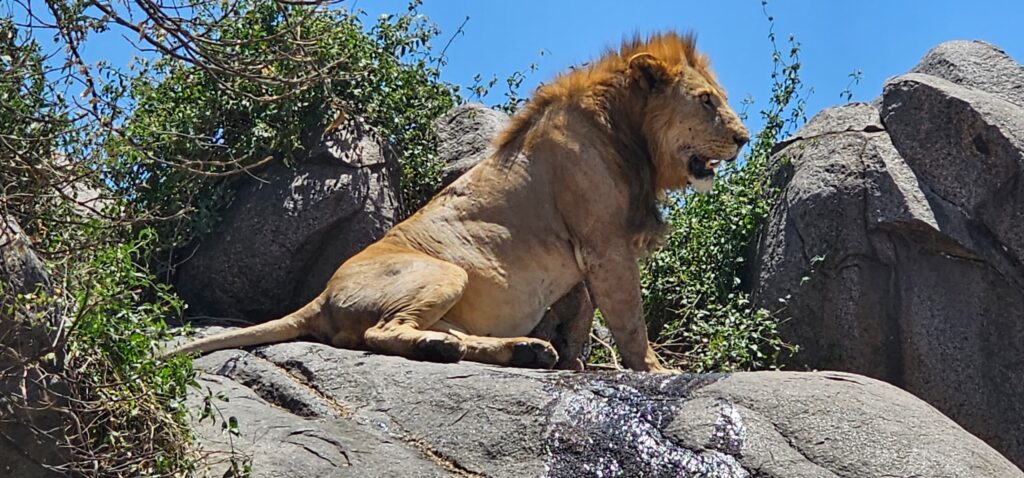
One of the most famous attractions in Lake Manyara National Park is its population of tree-climbing lions.
Unlike lions in many other African destinations, some lions in Lake Manyara have developed the unusual habit of resting on large acacia and fig trees.
During a game drive, visitors may spot these impressive predators lying along thick branches, enjoying the shade or observing their surroundings from above.
Although sightings are never guaranteed, searching for tree-climbing lions is one of the most exciting experiences during a Lake Manyara safari.
2. Large Troops of Baboons
Lake Manyara National Park is particularly famous for its large troops of olive baboons.
The groundwater forest provides an ideal habitat for these social primates, which are frequently seen moving through the forest, feeding on the ground and interacting with one another.
Visitors may encounter baboons shortly after entering the park, making them among the first wildlife species encountered during a game drive.
Their complex social behaviour and interesting interactions make them particularly enjoyable to observe and photograph.
3. African Elephants
Elephants are among the most impressive animals inhabiting Lake Manyara National Park.
The park’s forested areas and surrounding woodlands provide important feeding and shelter habitats for these gentle giants.
During game drives, visitors may encounter individual elephants or family groups moving through the forest, feeding on vegetation or crossing open sections of the park.
Seeing elephants against the backdrop of the Great Rift Valley escarpment creates wonderful photographic opportunities.
4. Hippos in Lake Manyara
Lake Manyara provides an important aquatic habitat for hippos, which can often be observed in suitable areas around the lake.
These semi-aquatic mammals spend much of their day in water, emerging to graze during cooler hours.
Visitors may also explore designated viewpoints around the lake to observe the surrounding wetlands and aquatic wildlife.
5. Giraffes, Zebras and Buffaloes
The open grasslands and woodland habitats of Lake Manyara support several large herbivores.
Giraffes can often be seen feeding on acacia trees, while zebras graze in open areas and buffaloes move through the woodland and grassland habitats.
These animals contribute to the park’s rich wildlife diversity and provide excellent opportunities for photography.
6. Flamingos and Other Waterbirds
Lake Manyara is famous for its birdlife, particularly the seasonal presence of flamingos along suitable sections of the lake.
The alkaline waters and surrounding wetlands attract numerous waterbirds, making the park an attractive destination for birdwatching enthusiasts.
Depending on water levels and seasonal conditions, visitors may encounter:
- Greater and lesser flamingos.
- African fish eagles.
- Pink-backed pelicans.
- Yellow-billed storks.
- Great white pelicans.
- Grey crowned cranes.
- Cormorants.
- African jacanas.
- Various species of herons and egrets.
For birdwatchers, Lake Manyara provides an excellent opportunity to explore Tanzania’s diverse wetland ecosystems.
Best Things to Do in Lake Manyara National Park
Lake Manyara offers several activities that allow visitors to experience its wildlife, scenery and surrounding cultural attractions.
1. Game Drives
Game drives are the main safari activity in Lake Manyara National Park.
Visitors explore the park in specially equipped safari vehicles, searching for wildlife across its different ecosystems.
Morning and afternoon game drives provide opportunities to encounter elephants, lions, giraffes, zebras, buffaloes, baboons and numerous bird species.
The park’s relatively compact size makes it suitable for travellers with limited time who still want to experience a rewarding African wildlife safari.
2. Birdwatching
Lake Manyara is one of northern Tanzania’s most interesting birdwatching destinations.
Its combination of lake habitats, wetlands, groundwater forests and open woodlands supports a remarkable variety of bird species.
Birdwatching enthusiasts can enjoy observing flamingos, pelicans, storks, fish eagles, kingfishers and many other resident and migratory birds.
The diversity of habitats makes the park particularly attractive to photographers and nature lovers.
3. Exploring the Great Rift Valley Escarpment
The western boundary of Lake Manyara National Park is dominated by the spectacular Great Rift Valley escarpment.
The escarpment provides a dramatic backdrop to the park and creates beautiful viewpoints overlooking the lake and surrounding landscapes.
Visitors travelling along the northern Tanzania safari circuit can enjoy scenic stops to appreciate the impressive geological formations and panoramic views.
4. Walking Safaris
Walking safaris may be available in designated areas and through authorised arrangements.
These experiences provide an opportunity to explore the smaller details of the African wilderness, including plants, insects, animal tracks and birdlife.
Walking activities must follow park regulations and be arranged with authorised guides and appropriate security arrangements.
5. Cultural Experiences in Mto wa Mbu
The nearby town of Mto wa Mbu is one of the most interesting cultural destinations in northern Tanzania.
The town is known for its cultural diversity, local markets, traditional food and agricultural activities.
Visitors can arrange guided cultural tours to learn about local communities, traditional farming practices, banana plantations and everyday life in the region.
A visit to Mto wa Mbu is an excellent way to complement a Lake Manyara wildlife safari with cultural exploration.
Best Time to Visit Lake Manyara National Park
Lake Manyara National Park can be visited throughout the year, although wildlife viewing conditions and scenery vary with the seasons.
June to October – Dry Season
This period is generally favourable for traditional wildlife viewing. Vegetation becomes less dense in some areas, and animals may be easier to spot around available water sources.
The dry season is particularly attractive for travellers combining Lake Manyara with Tarangire, Ngorongoro and Serengeti.
November to December – Short Rains
The short rains bring fresh vegetation and greener landscapes. Birdwatching becomes particularly rewarding as migratory birds arrive in the region.
January to February – Green Season
These months can offer beautiful scenery, lush vegetation and rewarding birdwatching opportunities. Wildlife viewing remains possible, although dense vegetation can make some animals harder to spot.
March to May – Long Rains
The long rainy season transforms the park into a green landscape with excellent photographic opportunities. However, some tracks may become muddy, and visitors should consider road conditions when planning their safari.
The best time to visit ultimately depends on whether you prioritise traditional wildlife viewing, birdwatching, photography or green-season scenery.
How to Combine Lake Manyara with Other Tanzania Safari Destinations
One of the biggest advantages of visiting Lake Manyara is its location along the famous northern Tanzania safari circuit.
Travellers can combine the park with several other outstanding wildlife destinations.
Tarangire National Park
Tarangire National Park is famous for its large elephant herds, ancient baobab trees and seasonal concentrations of wildlife along the Tarangire River.
Combining Tarangire with Lake Manyara provides an excellent opportunity to experience two different ecosystems within northern Tanzania.
Ngorongoro Crater
The Ngorongoro Crater is one of Africa’s most spectacular wildlife destinations.
Its volcanic caldera supports a remarkable concentration of animals, including lions, elephants, buffaloes, zebras, wildebeest and black rhinos.
A visit to Ngorongoro is an excellent addition to a Lake Manyara safari.
Serengeti National Park
Serengeti National Park is world-famous for its extensive savannah landscapes and the Great Wildebeest Migration.
Visitors can explore its vast plains in search of lions, cheetahs, leopards, elephants and other wildlife.
Combining Lake Manyara with Serengeti creates a diverse safari experience covering different landscapes and wildlife habitats.
Lake Eyasi
Lake Eyasi is an interesting destination for travellers seeking cultural experiences.
Visitors can arrange guided visits to learn about the traditional lifestyles of the Hadzabe and Datoga communities, subject to appropriate community arrangements.
Lake Eyasi offers a cultural contrast to the wildlife experiences of Lake Manyara and the surrounding national parks.
Suggested Two-Day Lake Manyara and Ngorongoro Safari
Travellers with limited time can combine Lake Manyara National Park and Ngorongoro Crater into a short northern Tanzania wildlife safari.
Day 1: Arusha – Lake Manyara National Park
After breakfast, depart from Arusha and drive towards Lake Manyara National Park.
Upon arrival, enter the park for a game drive through its groundwater forests, open grasslands and woodland habitats.
Look out for elephants, giraffes, zebras, baboons, buffaloes and the famous tree-climbing lions.
Enjoy a picnic lunch before continuing with wildlife exploration in the afternoon.
Later, leave the park and transfer to your lodge around Karatu for dinner and overnight accommodation.
Day 2: Ngorongoro Crater – Arusha
After an early breakfast, depart for the Ngorongoro Conservation Area.
Descend into the crater for an exciting game drive across its diverse habitats, searching for lions, elephants, buffaloes, zebras, wildebeest and black rhinos.
Enjoy a picnic lunch before ascending the crater walls and beginning the return journey to Arusha.
This short safari offers an excellent introduction to the wildlife diversity of northern Tanzania.
How to Get to Lake Manyara National Park
Lake Manyara National Park is conveniently accessible from Arusha and other destinations along the northern Tanzania safari circuit.
From Arusha: The drive takes approximately two to three hours, depending on traffic and the route.
From Kilimanjaro International Airport: Visitors can transfer to Arusha before continuing towards Lake Manyara. The total journey depends on the airport transfer and road conditions.
From Tarangire National Park: Lake Manyara can be reached by road through the Mto wa Mbu area, making it convenient to combine both parks.
From Ngorongoro and Karatu: Visitors can travel towards Mto wa Mbu and access the park through its northern entrance.
From Serengeti National Park: Lake Manyara can be incorporated into a longer northern Tanzania safari, although driving times vary considerably depending on the departure point and route.
Where to Stay Near Lake Manyara National Park
Visitors can choose from several accommodation options around Lake Manyara and the neighbouring Karatu area.
Popular options include:
- Lake Manyara Serena Safari Lodge: A luxury safari lodge offering beautiful views overlooking the surrounding landscapes.
- Lake Manyara Wildlife Lodge: An established accommodation option with scenic views towards the lake.
- Escarpment Luxury Lodge: A comfortable lodge located along the Great Rift Valley escarpment.
- Manyara’s Secret: A boutique accommodation option in the Lake Manyara region.
- Bougainvillea Safari Lodge: A popular accommodation choice in the Karatu area.
Accommodation options range from luxury safari lodges to comfortable midrange hotels and budget-friendly camps.
Practical Tips for Visitors
To enjoy your Lake Manyara National Park safari, consider the following recommendations:
- Carry a camera: The park offers excellent opportunities to photograph elephants, lions, giraffes and birds.
- Bring binoculars: These are particularly useful for birdwatching and observing distant wildlife.
- Wear comfortable safari clothing: Neutral-coloured clothing, sunglasses and a hat are recommended.
- Carry drinking water: Staying hydrated is important during game drives.
- Book accommodation in advance: This is particularly important during the busy northern Tanzania safari season.
- Follow park regulations: Always follow your guide’s instructions and respect wildlife viewing distances.
- Allow enough time: Although the park is relatively compact, a full-day visit provides more opportunities to explore its different habitats.
Frequently Asked Questions About Lake Manyara National Park Safari
1. What is Lake Manyara National Park famous for?
Lake Manyara is famous for its tree-climbing lions, large troops of baboons, elephants, flamingos, diverse birdlife and beautiful Great Rift Valley landscapes.
2. How many days do you need in Lake Manyara National Park?
One full day is generally sufficient to explore the park’s main attractions. However, travellers interested in birdwatching, photography and a slower safari experience may prefer to spend additional time in the area.
3. Can you see tree-climbing lions in Lake Manyara?
Yes. The park is famous for its tree-climbing lions, although sightings are not guaranteed.
4. Is Lake Manyara worth visiting?
Absolutely. Its diverse ecosystems, interesting wildlife and convenient location make it an excellent addition to a northern Tanzania safari.
5. Can Lake Manyara be combined with Serengeti?
Yes. Lake Manyara can easily be incorporated into a longer northern Tanzania safari covering Serengeti, Ngorongoro and Tarangire.
6. Are flamingos found in Lake Manyara?
Yes. Flamingos are among the bird species associated with the lake, although their numbers and distribution vary depending on water conditions and season.
7. Is Lake Manyara suitable for a self-drive safari?
Yes. Visitors can explore the park using an appropriately equipped and authorised 4×4 vehicle, subject to park regulations and road conditions.
8. What is the best time to visit Lake Manyara?
June to October is generally favourable for traditional wildlife viewing, while the green season offers beautiful landscapes and excellent birdwatching opportunities.
Explore Lake Manyara with Our Tanzania Safari Packages
A visit to Lake Manyara National Park provides an excellent opportunity to discover one of Tanzania’s most diverse wildlife destinations. From the famous tree-climbing lions and large troops of baboons to elephants wandering through groundwater forests and flamingos gathering around the lake, every safari presents something interesting to discover.
Whether you are planning a short wildlife excursion or an extended Tanzania Northern Circuit safari, Lake Manyara deserves a place on your travel itinerary.
Combine your visit with Tarangire National Park, Ngorongoro Crater and Serengeti National Park for an unforgettable African wildlife adventure.
Book your Tanzania wildlife safari with us and discover the incredible landscapes, wildlife and cultural experiences that make Tanzania one of Africa’s leading safari destinations.