
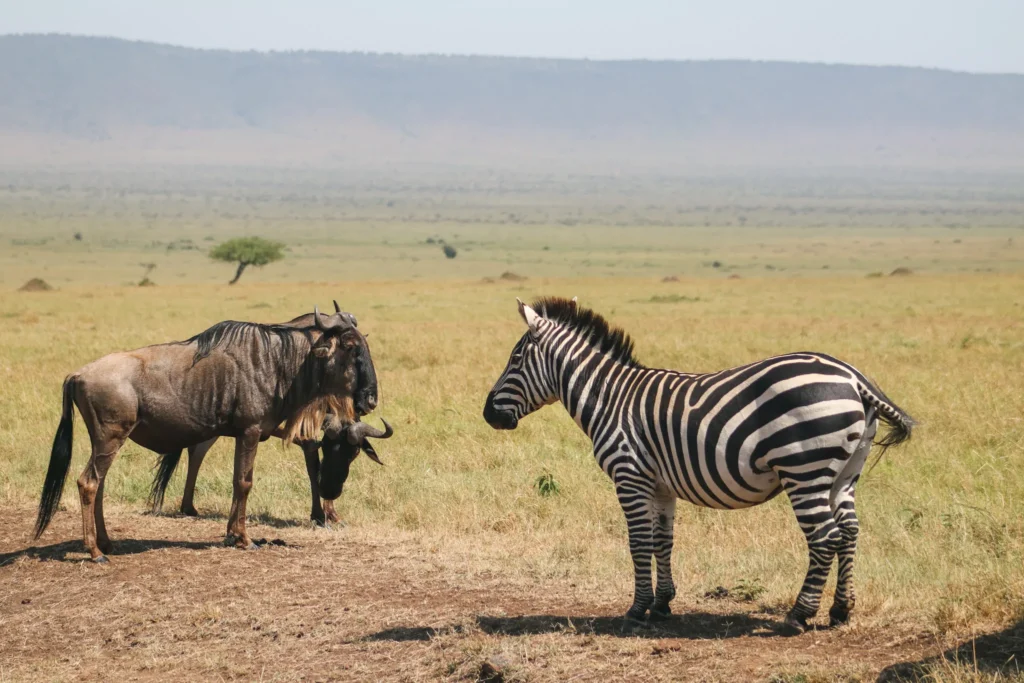
Best Time for a Wildebeest Calving Safari in Tanzania
Introduction: When Is the Best Time to See Wildebeest Calving in Tanzania?
The best time for a wildebeest calving safari in Tanzania is generally late January to February, when large herds of migrating wildebeest gather across the southern Serengeti ecosystem, particularly around the Ndutu plains. This period is famous for newborn calves, spectacular wildlife photography and opportunities to see predators such as lions, cheetahs and spotted hyenas following the herds.
The wildebeest calving season is one of the most remarkable events in the annual Great Wildebeest Migration. Each year, the herds move across the Serengeti ecosystem in search of fresh grass and water. Seasonal rainfall encourages nutritious grass to grow across the southern plains, creating important feeding grounds for pregnant wildebeest and nursing mothers.
Although February is often considered the peak month, January and March can also provide excellent safari experiences. The precise timing varies with rainfall and grazing conditions, so the location of the herds can change from one year to another.
Whether you are planning a private guided safari, a family wildlife holiday or a self-drive adventure, choosing the right travel dates can make a significant difference to your experience.
1. Why Visit Tanzania During Wildebeest Calving Season?
The calving season offers a different experience from the famous Mara River crossings that attract visitors to the Northern Serengeti and Kenya’s Maasai Mara later in the year.
Instead of focusing on river crossings, a calving-season safari takes you to the southern plains, where wildebeest gather to give birth and raise their young. The open landscape can make it easier to observe large herds, while the abundance of newborn animals attracts predators.
Witness Newborn Wildebeest
During the main calving period, visitors may see newborn wildebeest standing beside their mothers, following the herd or resting in the grass. Calves generally become mobile soon after birth, helping them remain close to their mothers as the herd moves.
Enjoy Large Wildlife Herds
The southern plains can support enormous concentrations of wildebeest alongside zebras and other grazing animals. Seeing the herds spread across the landscape is one of the defining experiences of a calving-season safari.
Look for Lions, Cheetahs and Hyenas
The seasonal abundance of prey attracts predators. Lions may be seen resting or hunting, while cheetahs can use the open grasslands to search for prey. Spotted hyenas are also part of the ecosystem.
Predator encounters and hunting events are never guaranteed, but the concentration of wildlife makes this an exciting period for safari enthusiasts.
Experience Green-Season Scenery
The southern Serengeti can look particularly beautiful following seasonal rains. Green grass, dramatic skies and open plains create excellent conditions for landscape and wildlife photography.
2. Best Months for a Wildebeest Calving Safari
The main calving period generally falls between January and March, with late January and February often recommended for travelers whose main priority is seeing newborn wildebeest.
January: The Calving Season Begins
January is an excellent month to consider for a wildebeest calving safari in Tanzania. Herds may be gathering across the Ndutu plains and surrounding southern Serengeti areas, and calving activity can be underway.
The landscape is often green, and the combination of grazing herds, young calves and predators can create rewarding game drives.
January may suit travelers who want to visit during the early part of the calving season. However, the timing of the herds depends on rainfall, so it is important to check recent migration information before finalizing your itinerary.
January safari highlights:
- Large herds of wildebeest and zebras.
- Opportunities to see newborn calves.
- Green landscapes and photography opportunities.
- Possible sightings of lions, cheetahs and hyenas.
February: A Top Choice for Wildebeest Calving
February is often the strongest recommendation for travelers specifically seeking the wildebeest calving experience. Many calves are born during a relatively short period, and large herds may be spread across the southern plains.
The concentration of herbivores can attract predators, creating opportunities to observe wildlife interactions. February is also a popular month for photographers hoping to capture newborn animals against the green landscapes of Ndutu.
For travelers with flexible dates, planning a safari around February is a sensible starting point. Nevertheless, no month or date can guarantee particular sightings, and current herd locations should guide the final itinerary.
February safari highlights:
- Strong potential for calving-season wildlife viewing.
- Large concentrations of wildebeest.
- Opportunities to photograph newborn calves.
- Potential sightings of predators around the herds.
March: Continued Calving and Changing Herd Movements
March can still offer excellent opportunities to see wildebeest and their calves across the southern Serengeti ecosystem. The location and concentration of the herds depend on rainfall, grass availability and seasonal movements.
As conditions change, some herds may begin moving toward other parts of the Serengeti. March can also bring more variable weather, so travelers should be prepared for changing road conditions.
This month is worth considering if your travel dates are fixed or if recent reports indicate that the herds remain in the southern plains.
March safari highlights:
- Continued opportunities to see wildebeest calves.
- Large grazing herds in suitable areas.
- Predator sightings depending on herd location.
- Beautiful green-season scenery.
3. January vs February vs March: Which Month Should You Choose?
| Month | What to expect | Best suited to |
|---|---|---|
| January | Calving activity develops across the southern plains; green landscapes | Travelers interested in the early calving period |
| February | Often a particularly rewarding period for concentrated calving activity | Travelers prioritizing newborn wildebeest and predator sightings |
| March | Calving may continue, but herd distribution and weather can become more variable | Travelers with March dates or flexible itineraries |
Our recommendation: If your main goal is to experience the wildebeest calving season, start by considering late January or February. If you can only travel in March, do not rule out a safari; instead, check recent reports and choose your accommodation and route accordingly.
4. Where Is the Best Place to See Wildebeest Calving?
Ndutu Plains
Ndutu is one of Tanzania’s best-known destinations for wildebeest calving. It lies within the wider Serengeti–Ngorongoro ecosystem and includes grasslands and seasonal water sources that attract migrating herds.
During the calving period, the area can provide excellent opportunities to observe wildebeest, zebras and predators. Its reputation makes it a natural starting point when planning a safari specifically for newborn calves.
When booking accommodation, confirm its exact location. The Ndutu region lies near the boundary between the Ngorongoro Conservation Area and Serengeti National Park, and applicable rules and fees depend on where you travel.
Southern Serengeti
The Southern Serengeti is a broader region associated with the migrating herds and their seasonal grazing grounds. During the calving season, wildebeest may spread across different parts of the southern ecosystem.
Choosing accommodation in the right location is important. A camp’s advertised regional name does not always tell you how close it is to the herds, so ask your safari operator about the location and likely game-drive routes.
Ngorongoro Conservation Area
Parts of the wider Ndutu wildlife region fall within the Ngorongoro Conservation Area. This makes it possible to combine calving-season wildlife viewing with other northern Tanzania destinations, depending on your route and available time.
The Ngorongoro Crater is a separate wildlife experience. Visiting Ndutu does not automatically mean that a crater game drive is included, so confirm your itinerary and fees before booking.
5. What Animals Can You See During Calving Season?
Wildebeest are the main attraction, but a calving-season safari offers opportunities to see a variety of wildlife.
Wildebeest: Large herds gather across the southern plains, and visitors may see calves alongside their mothers.
Zebras: Zebras share the grazing areas and often appear among or near migrating herds.
Lions: Lions may follow the seasonal abundance of prey and can sometimes be observed hunting or resting near the plains.
Cheetahs: The open grasslands provide suitable habitat for cheetahs, although sightings depend on the area and conditions.
Spotted hyenas: These predators and scavengers are part of the wider ecosystem and may be seen near concentrations of herbivores.
Gazelles and other herbivores: Various antelope species contribute to the region’s diverse wildlife.
Birdlife also adds interest to game drives, particularly around seasonal water sources and different habitats.
6. How Many Days Do You Need for a Calving-Season Safari?
For a safari focused on Ndutu and the Southern Serengeti, consider allowing at least three nights in the area, giving you time for two or more full days of game drives.
A longer stay provides flexibility to explore different parts of the plains and respond to changing herd locations. This can be especially valuable for wildlife photographers and travelers who want to spend time observing animal behaviour rather than rushing between destinations.
If you are combining Ndutu with Tarangire National Park, the Ngorongoro Crater or Central Serengeti, allow enough time for road transfers and game drives at each destination.
A carefully paced itinerary can be more rewarding than trying to visit too many places in a short period.
7. Sample 6-Day Wildebeest Calving Safari Itinerary
This example shows how you might structure a short safari around the calving season. The final route should depend on your arrival point, accommodation choices, road conditions and current migration reports.
Day 1: Arrive in Arusha
Arrive in Arusha, meet your safari representative and review the planned route. Depending on your arrival time, you may spend the day relaxing or preparing for the journey to the northern safari circuit.
Day 2: Travel to Ndutu
Travel toward the Ndutu area, enjoying scenery and wildlife opportunities along the way where permitted and included in your itinerary. Settle into your camp or lodge and prepare for the next day’s game drives.
Day 3: Full-Day Game Drive in Ndutu
Spend the day exploring the plains and surrounding habitats in search of wildebeest, newborn calves, zebras and predators. Your guide can adjust the route according to wildlife sightings and current conditions.
Day 4: More Wildlife Viewing in Ndutu
Enjoy another day of game drives. Additional time in the area allows you to explore different locations and improves your flexibility if wildlife is dispersed.
Day 5: Ngorongoro Conservation Area or Central Serengeti
Depending on your interests and the route, continue to another wildlife destination. You may choose to include the Ngorongoro Crater, subject to the required fees and available time, or explore another part of the Serengeti ecosystem.
Day 6: Return to Arusha
Travel back to Arusha for your onward journey. If your flight schedule requires it, consider adding a night to avoid a rushed transfer.
This is a sample itinerary, not a guarantee of wildlife locations or travel times. A safari operator can adapt it to your dates and the latest information about the migrating herds.
8. Guided Safari or Self-Drive Safari During Calving Season?
Both options can provide memorable experiences, and the right choice depends on your travel style, budget and driving experience.
Guided Wildebeest Calving Safari
A guided safari is suitable for travelers who want support with driving, wildlife spotting, accommodation and itinerary planning. A knowledgeable guide can help interpret animal behaviour and adapt game drives to conditions.
This option is particularly convenient for first-time safari visitors, families and travelers who prefer to leave the logistics to a professional.
Self-Drive Wildebeest Calving Safari
A self-drive safari gives you greater independence and control over your schedule. It can suit experienced travelers who are comfortable driving in remote wildlife areas and planning their own game drives.
A suitable 4×4 is strongly recommended, particularly if rain affects road conditions. Before setting off, confirm park regulations, vehicle requirements, current road conditions and the fees applicable to your route.
If you are renting a vehicle, check that your rental agreement permits travel in your intended safari areas and understand what assistance is available during the trip.
9. What Affects the Cost of a Wildebeest Calving Safari?
There is no single price for every calving-season safari. The total cost depends on several factors, including:
- Travel dates: Demand and accommodation availability can affect rates.
- Accommodation: Campsites, tented camps and luxury lodges have different price levels.
- Safari duration: Longer trips require more nights, transport and game drives.
- Transport: A private 4×4 with a driver-guide differs in cost from a self-drive rental.
- Group size: The number of travelers affects how transport and guiding costs are shared.
- Protected-area fees: Charges depend on the areas visited, the applicable regulations and the services included in your quotation.
- Additional activities: Flights, crater game drives and other optional experiences can increase the total cost.
Ask for a detailed quotation that explains what is included and excluded. Confirm the exact accommodation locations and protected areas covered by your route, especially when planning to visit Ndutu and the Ngorongoro Crater.
10. Practical Tips for Planning Your Wildebeest Calving Safari
Book accommodation early. Camps in and around Ndutu can be popular during the calving season. Booking ahead gives you more choice of location and comfort level.
Check recent migration reports. Seasonal patterns are useful for planning, but rainfall influences where the herds gather each year.
Stay several nights in the calving area. Spending enough time in Ndutu gives you flexibility to explore different locations and wildlife sightings.
Pack for changing weather. Bring light clothing for warm afternoons, layers for cooler mornings, comfortable footwear and protection from sun and rain.
Bring suitable camera equipment. A camera with a telephoto lens can help you photograph wildlife while keeping a respectful distance.
Follow park regulations. Stay on permitted roads, follow your guide’s instructions and avoid disturbing wildlife, especially mothers and newborn calves.
Confirm fees and logistics. Check accommodation locations, entry requirements and included fees before paying for your safari.
Frequently Asked Questions About Wildebeest Calving Safaris
What is the best time for a wildebeest calving safari in Tanzania?
Late January to February is generally a strong choice, with February often considered particularly rewarding. January and March can also offer good sightings depending on rainfall and herd movements.
Where can I see wildebeest calving in Tanzania?
Ndutu and the Southern Serengeti are the best-known areas for calving-season wildlife viewing. The best specific location depends on where the herds are gathering during your travel dates.
Is February better than January for wildebeest calving?
February is often associated with concentrated calving activity, but January can also be excellent. Check current migration information rather than relying only on a fixed calendar.
Can I see wildebeest calves in March?
Yes. Calving may continue into March, although the distribution of the herds and weather conditions can become more variable.
How many days should I spend in Ndutu?
Consider at least three nights in the area to allow for multiple game drives and flexibility in exploring the plains.
Can I combine wildebeest calving with the Ngorongoro Crater?
Yes. Both can be included in one itinerary, but you should allow enough time for travel and confirm the applicable fees for each destination.
Is a 4×4 necessary for a Ndutu safari?
A suitable 4×4 is strongly recommended, especially if roads are wet or muddy. Confirm vehicle requirements and road conditions before your trip.
Will I definitely see a wildebeest birth or a predator hunt?
No wildlife encounter can be guaranteed. Calving season offers opportunities to see newborn animals and predators, but sightings depend on natural behaviour, weather and the location of the herds.
Should I book a guided or self-drive safari?
A guided safari is convenient if you want professional support with wildlife spotting and logistics. Self-drive can suit experienced travelers who prefer independence and are comfortable navigating remote safari areas.
Plan Your Wildebeest Calving Safari with Graceland Adventurous
The wildebeest calving season is an exceptional time to explore Tanzania’s southern Serengeti ecosystem. From large herds on the Ndutu plains to newborn calves and the predators that follow the migration, this season offers a distinctive wildlife experience.
For the best chance of enjoying the calving season, consider traveling in late January or February, allow enough time for game drives and check recent migration reports before finalizing your route.
Contact Graceland Adventurous to plan your Tanzania wildebeest calving safari. Whether you prefer a private guided tour or a self-drive 4×4 adventure, your itinerary can be tailored to your travel dates, group size, accommodation preferences and budget.