
Kenya – The Great Migration and Wildlife
Kenya is one of Africa’s most iconic safari destinations, offering an extraordinary combination of spectacular wildlife, dramatic landscapes, rich culture, and unforgettable safari experiences. From the vast plains of the Maasai Mara to the snow-capped peaks of Mount Kenya, the country provides some of the best opportunities in Africa to experience wildlife in its natural habitat.
For many travellers, the highlight is the Great Wildebeest Migration, one of the world’s most remarkable wildlife spectacles. Every year, millions of wildebeest, accompanied by large numbers of zebra and gazelles, move between Tanzania’s Serengeti and Kenya’s Maasai Mara in search of fresh grazing and water.
But Kenya is much more than the migration. Its national parks and conservancies offer excellent year-round wildlife viewing, including opportunities to see lions, elephants, cheetahs, leopards, rhinos, giraffes, buffalo and hundreds of bird species.
Whether you are planning a classic lodge safari, a private 4×4 adventure, or a self-drive safari across Kenya, the country offers endless possibilities for exploration.
The Great Wildebeest Migration in Kenya
The Great Migration is a continuous natural cycle rather than a single event. The herds move through the Serengeti ecosystem throughout the year, crossing the Tanzania–Kenya border as they follow seasonal rains and fresh grass.
Kenya’s Maasai Mara National Reserve is particularly famous for the migration between roughly July and October, when large herds commonly move north from Tanzania into the Mara ecosystem.
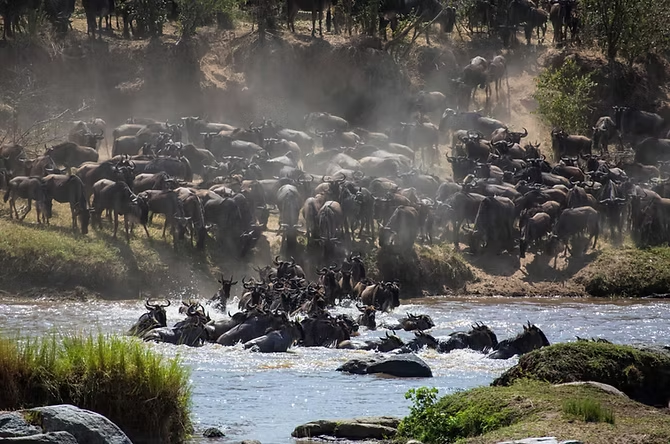
One of the most dramatic moments occurs when wildebeest attempt to cross the Mara River. Thousands of animals may gather along the riverbanks before plunging into the water, creating spectacular scenes as they navigate strong currents and avoid crocodiles.
However, river crossings are unpredictable. Wildlife does not follow a fixed calendar, and crossings depend on rainfall, grazing conditions, animal movements and other natural factors. Travellers should therefore plan around the broader migration season rather than expecting a crossing on a particular day.
Maasai Mara – Kenya’s Wildlife Capital
The Maasai Mara National Reserve is arguably Kenya’s most famous safari destination. Its rolling grasslands, scattered acacia trees and abundant wildlife create the classic East African safari landscape.
The Mara is home to large populations of:
- Lions
- Leopards
- Cheetahs
- Elephants
- Buffalo
- Giraffes
- Hippos
- Crocodiles
- Wildebeest
- Zebra
- Gazelles
The reserve is also part of the greater Mara-Serengeti ecosystem, allowing wildlife to move naturally across a much larger landscape.
During the migration season, the concentration of wildebeest and other herbivores attracts large numbers of predators. This makes the Maasai Mara an excellent destination for travellers interested in predator sightings as well as the migration itself.
Kenya’s Big Five Safari
Kenya is one of the best destinations in Africa for searching for the Big Five – lion, leopard, elephant, buffalo and rhinoceros.
Although wildlife sightings can never be guaranteed, Kenya’s diverse ecosystems provide excellent opportunities to encounter all five.
Lions
Lions are widespread across Kenya’s major wildlife areas. The Maasai Mara is particularly well known for its lion prides, while destinations such as Amboseli, Tsavo and Samburu also offer excellent opportunities for sightings.
Leopards
Leopards are more elusive than lions but can be found in several Kenyan safari destinations. Experienced guides often know areas where leopards regularly rest in trees or hunt along riverine habitats.
Elephants
Kenya offers outstanding elephant experiences. Amboseli National Park is especially famous for large elephant herds photographed against the dramatic backdrop of Mount Kilimanjaro.
Buffalo
Cape buffalo are common in many Kenyan parks and reserves. They are often seen in large herds, particularly around areas with water and good grazing.
Rhinoceros
Kenya is one of Africa’s leading destinations for rhino conservation. The Ol Pejeta Conservancy, Lake Nakuru National Park and other protected areas provide important habitats for both black and white rhinos.
Amboseli National Park
Located in southern Kenya near the Tanzania border, Amboseli National Park is famous for its spectacular views of Mount Kilimanjaro.
The park’s relatively open landscape makes wildlife easy to observe, particularly around its wetlands and seasonal water sources.
Amboseli is especially renowned for elephants, with large herds frequently moving across the plains. The combination of elephants, open savannah and Africa’s highest mountain creates some of Kenya’s most iconic safari photographs.
Other wildlife includes lions, cheetahs, buffalo, giraffes, zebras, wildebeest and numerous bird species.
Amboseli can also be combined with the Maasai Mara for a classic Kenya safari.
Tsavo National Parks
For travellers looking for a larger and more adventurous safari landscape, the Tsavo ecosystem is an excellent choice.
Tsavo East National Park and Tsavo West National Park together form one of the largest protected wildlife areas in Kenya.
Tsavo is known for:
- Large elephant populations
- Lions
- Leopards
- Buffalo
- Giraffes
- Zebras
- Hippos
- Crocodiles
- Diverse birdlife
- Dramatic volcanic landscapes
Tsavo East is particularly famous for its expansive wilderness and red-coloured elephants, which acquire their distinctive appearance from dust and soil.
Tsavo West offers a more varied landscape, including volcanic terrain, springs, hills and rocky outcrops.
The parks are also conveniently positioned for travellers combining a wildlife safari with a beach holiday on the Kenyan coast.
Samburu National Reserve
Northern Kenya offers a very different safari experience from the southern savannahs.
Samburu National Reserve is located in a semi-arid landscape along the Ewaso Ng’iro River and is known for its unique wildlife species that are less commonly encountered in southern Kenya.
These include the famous Samburu Special Five:
- Grevy’s zebra
- Reticulated giraffe
- Gerenuk
- Beisa oryx
- Somali ostrich
Samburu also supports elephants, lions, leopards, cheetahs and many bird species.
The region is particularly appealing to travellers who want to experience a quieter side of Kenya away from some of the country’s busier safari destinations.
Lake Nakuru National Park
Lake Nakuru is another important wildlife destination and is particularly famous for its rhinos.
The park protects both black and white rhinos and offers good opportunities for wildlife viewing in a compact area.
Visitors may also encounter lions, leopards, buffalo, giraffes, zebras and many species of birds.
The lake and surrounding landscapes form part of Kenya’s Great Rift Valley, providing beautiful scenery alongside the wildlife experience.
Ol Pejeta Conservancy
For travellers interested in conservation, Ol Pejeta Conservancy is one of Kenya’s most interesting destinations.
Located near Nanyuki at the foot of Mount Kenya, the conservancy combines wildlife tourism with major conservation initiatives.
It is known for its rhino conservation programmes and offers opportunities to see rhinos, elephants, lions, leopards, buffalo and other wildlife.
Ol Pejeta can be particularly valuable for travellers who want their safari to include both wildlife viewing and a deeper understanding of conservation in East Africa.
When Is the Best Time to See the Great Migration in Kenya?
The best-known migration period in Kenya is generally July to October, when the wildebeest herds are often found in the Maasai Mara ecosystem.
However, the exact timing changes from year to year.
A simplified guide is:
July–August:
The first major herds may enter the Maasai Mara, and river crossings can occur.
September:
Often an excellent period for migration viewing, with substantial numbers of wildebeest and zebra potentially remaining in the Mara.
October:
Some herds may still be present, although movements increasingly depend on rainfall and grazing conditions.
It is important to understand that the migration is a natural phenomenon. There is no guaranteed date for a Mara River crossing.
For travellers primarily interested in wildlife rather than the migration itself, Kenya can be visited throughout much of the year.
Kenya Wildlife Safari Beyond the Migration
One of the biggest advantages of a Kenya safari is that excellent wildlife viewing is not limited to migration season.
The Maasai Mara supports resident wildlife throughout the year. Amboseli is excellent for elephants, while Samburu provides access to northern Kenya’s distinctive species.
Tsavo offers vast wilderness and diverse habitats, while Lake Nakuru and Ol Pejeta provide important rhino experiences.
This means you can plan a Kenya safari according to your interests rather than relying entirely on migration dates.
Kenya Self-Drive Safari
Kenya is also an exciting destination for travellers interested in exploring East Africa by 4×4.
A Kenya self-drive safari gives travellers greater flexibility over their daily schedule and allows them to spend more time in areas that interest them most.
A suitable 4×4 vehicle is essential for many safari routes, particularly when travelling during wetter periods or exploring less-developed tracks.
A typical northern Kenya route might combine Nairobi, Samburu, Ol Pejeta and Lake Nakuru, while a classic wildlife itinerary could include Nairobi, Amboseli, Lake Nakuru and Maasai Mara.
Travellers entering Kenya from Tanzania can also build a larger East African road trip combining Kenya and Tanzania, subject to current border, vehicle and cross-border requirements.
Kenya and Tanzania – The Ultimate East African Safari
Kenya and Tanzania complement each other exceptionally well.
Tanzania is home to the Serengeti, Ngorongoro Crater and other major safari destinations, while Kenya offers the Maasai Mara, Amboseli, Samburu, Tsavo and several outstanding conservancies.
Combining the two countries creates the opportunity to experience different ecosystems within one journey.
A longer itinerary could include:
Nairobi → Samburu → Lake Nakuru → Maasai Mara → Serengeti → Ngorongoro → Tarangire → Arusha
This route combines the Great Migration ecosystem with some of East Africa’s most famous wildlife destinations.
For travellers interested in self-drive adventures, combining Kenya and Tanzania can create an unforgettable overland safari, although border crossings, insurance, vehicle permits and national park regulations need to be arranged correctly before departure.
Cultural Experiences in Kenya
Wildlife is only one part of the Kenyan experience.
A safari can also introduce travellers to Kenya’s diverse cultures and communities. Maasai cultural experiences around the Maasai Mara can provide insights into traditional lifestyles, livestock keeping, crafts, music and dance.
Northern Kenya offers opportunities to learn about communities including the Samburu, while the coastal region adds a completely different cultural dimension influenced by centuries of Indian Ocean trade.
Responsible cultural tourism should focus on genuine community interaction and ensure that local communities benefit from tourism.
Kenya Safari and Beach Holiday
Kenya’s wildlife destinations can easily be combined with a beach holiday.
After several days of game drives, travellers can continue to the Indian Ocean coast for relaxation.
Popular coastal destinations include:
- Diani Beach
- Mombasa
- Watamu
- Malindi
- Lamu
A safari followed by several days on the coast provides an excellent balance between adventure and relaxation.
How Long Should You Spend on a Kenya Safari?
For a first-time visitor, 7–10 days provides enough time to experience several major destinations without rushing.
A possible 7-day itinerary could include:
Day 1: Nairobi
Day 2: Nairobi – Amboseli
Day 3: Amboseli
Day 4: Amboseli – Lake Nakuru
Day 5: Lake Nakuru – Maasai Mara
Day 6: Maasai Mara
Day 7: Maasai Mara – Nairobi
For the Great Migration, spending 3–4 nights in the Maasai Mara gives travellers more flexibility to follow wildlife movements and maximise their chances of experiencing memorable encounters.
Longer trips can incorporate Samburu, Ol Pejeta, Tsavo or the Kenyan coast.
Responsible Wildlife Tourism
The Great Migration and Kenya’s wildlife are natural treasures that need to be protected.
Visitors can contribute to responsible tourism by choosing reputable safari operators, respecting wildlife-viewing regulations, maintaining a safe distance from animals and avoiding activities that disturb wildlife.
When visiting communities, travellers should also support locally owned businesses and community-based tourism initiatives where possible.
Responsible travel helps ensure that Kenya’s wildlife and wild landscapes remain protected for future generations.
Plan Your Kenya Wildlife Safari
From the thunder of thousands of wildebeest crossing the Mara River to the quiet sight of an elephant herd beneath Mount Kilimanjaro, Kenya offers some of Africa’s most unforgettable safari experiences.
The Great Migration may be the country’s most famous attraction, but Kenya’s wildlife story extends far beyond the migration season. The Maasai Mara, Amboseli, Samburu, Tsavo, Lake Nakuru and Ol Pejeta each provide a different perspective on the country’s extraordinary natural heritage.
Whether you are looking for a Great Migration safari, Big Five adventure, Kenya self-drive safari, family wildlife holiday or Kenya–Tanzania road trip, Kenya offers the landscapes, wildlife and experiences to create an exceptional East African adventure.
Ready to explore Kenya? Plan your safari around your preferred wildlife experiences, travel dates and style of travel, and let the journey take you from the savannahs of the Maasai Mara to the spectacular landscapes of northern and southern Kenya.